




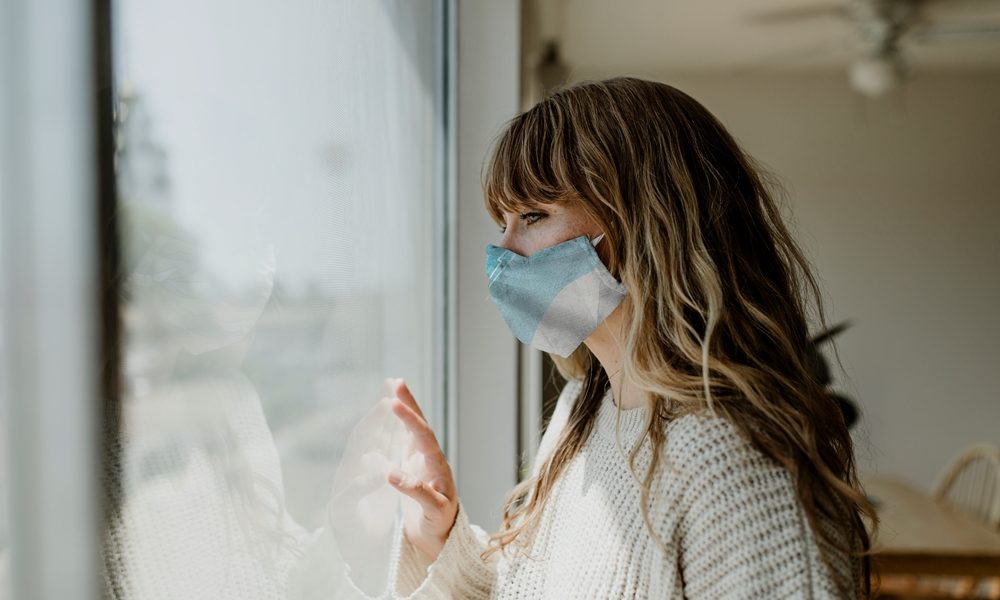
Women experienced greater declines in mental and physical health than men during the Covid-19 pandemic, new research has found.
They reported eating fruit less frequently, smaller reductions in alcohol consumption and a sharper rise in psychological distress compared to men over the same period.
Before the pandemic, women appeared to benefit more from healthy lifestyle habits in relation to mental wellbeing than men. However, this protective link weakened significantly for women during the pandemic, while remaining consistent for men.

Professor Paul McNamee from the University of Aberdeen, who led the study, said: “We found that women reported poorer overall changes in health behaviours than men during the pandemic.

“Specifically, women reported fewer days of fruit consumption and smaller reductions in alcohol intake.
“We also found that psychological distress increased for both women and men during the pandemic, with women experiencing a greater rise.”
Researchers analysed Understanding Society national data covering January 2015 to March 2023, comparing health behaviours and mental wellbeing before and after the onset of the pandemic.
The study looked at fruit and vegetable intake, alcohol use and levels of physical activity. It also measured psychological distress – a term used to describe emotional suffering that makes daily functioning more difficult.
Both men and women reported increases in psychological distress, but the rise was more pronounced among women.
Prior to the pandemic, healthy behaviours appeared to offer greater protective benefits for women’s mental health than for men’s.
During the pandemic, this link became stronger for men but was no longer significant for women.
Dr Karen Arulsamy of Duke-NUS Medical School said: “The adverse changes in women’s health behaviours compared to men persist through to May 2023, suggesting longer-term effects were likely worsened by financial pressures during this period. It’s important we keep tracking these trends.”
Dr Silvia Mendolia of the University of Turin added: “Our study also shows that the pandemic considerably weakened the protective effect of health behaviours on mental health for women but not for men.
“For women, adopting a healthy lifestyle was strongly correlated with mental health before the pandemic, but this relationship was no longer significant during the pandemic.”
The researchers say women from lower socio-economic backgrounds with caregiving responsibilities faced particular challenges in maintaining healthy habits during periods of high stress, as their ability to remain socially engaged was more limited.
Professor McNamee said: “Although conducted using data before and during the pandemic, these findings still have relevance today – they suggest that at times of heightened stress, women from lower socio-economic backgrounds with caregiving responsibilities that limit their ability to maintain levels of social engagement face more challenges in engaging in healthier behaviours.
“Therefore, targeted interventions such as social prescribing, accessible through referral from primary care providers and other voluntary agencies, could be made more widely available.”
Social prescribing involves healthcare professionals referring people to non-medical services and community-based activities to improve health and wellbeing.


Newsletter
Sign up for free weekly updates
The latest femtech news, research and investment, straight to your inbox.




