



Support for abortion rights shows record gender gap in new US polling
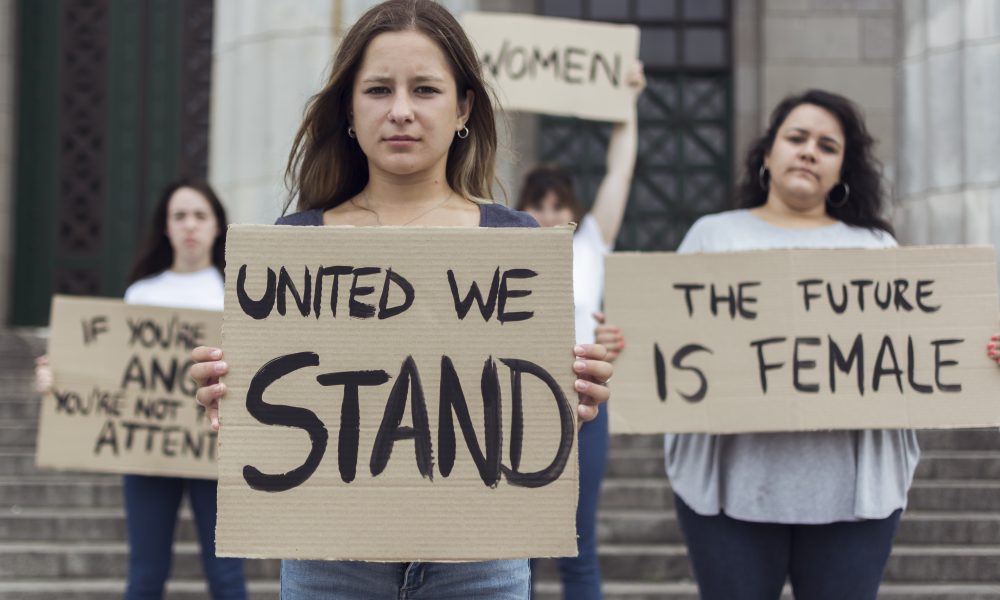
A record gap has emerged between women and men in the US on abortion rights, with 61 per cent of women now identifying as pro-choice compared with just 41 per cent of men.
The divide has widened sharply in the three years since the US Supreme Court overturned Roe v Wade, the landmark ruling that had guaranteed abortion access across the country. The latest figures follow a 2024 election in which reproductive rights were a key campaign issue.
While the proportion of women identifying as pro-choice has remained stable since the Roe decision was leaked in 2022, support among men has fallen from 48 per cent in that same year to 41 per cent, according to new polling from Gallup.

Decades of Gallup data show that men and women have rarely differed by more than 10 points on the issue—until now.
The two groups are also further apart than ever in how they view the morality of abortion.
Fifty-seven per cent of women say it is morally acceptable, compared with just 40 per cent of men. Similarly, 56 per cent of women believe abortion should be legal in all or most cases, compared with 41 per cent of men.
Gallup’s director of US social research, Lydia Saad, said the widening gap is more a result of changing attitudes among women than any significant shift among men.
In 2021, before Roe was overturned, 52 per cent of women and 45 per cent of men identified as pro-choice.
Saad said: “In general, we see that with abortion, the party that wants to change the status quo is the one that has more energy on the issue.
“For years, it was more the pro-life respondents who said that they will only support a candidate who shares their views on that issue. Whereas, since 2022, we’ve seen it flip.”
She added that while political shocks can lead to short-term shifts in opinion, these often fade over time.
Men’s declining support may reflect a reversion to previous norms—but she noted it was striking that women’s views remained strongly affected.
She said: “A line had been crossed for women.
“If you were generally supportive of abortion rights before, you became much more so.”
Democratic men, like women overall, have also grown more likely to back abortion rights.
Between 2020 and 2021, 63 per cent of Democratic men supported legal abortion in most cases; by 2025, that figure had risen to 78 per cent.
Saad said it remains unclear why overall support among men has declined.
Despite being the lowest level of support for the pro-choice label among men in a decade, she is not convinced the trend will continue.
She said: “It’s more just an out of sight, out of mind issue for men.
“Whereas for women—it’s just been more salient.”
She added that men may not necessarily be becoming more anti-abortion, but rather more conservative overall.
Men are already more likely to identify as Republicans, a group that typically opposes abortion rights. Only 19 per cent of Republican men now support legal abortion in most circumstances.
Gallup’s data may also reflect shifts among younger men, with more conservative voting seen in the 2024 election.
Fifty-six per cent of men aged 18 to 29 voted for Donald Trump.
Saad said: “We have to see where this goes.
“If it’s sustained, then we would really have to take a close look at why.”


Newsletter
Sign up for free weekly updates
The latest femtech news, research and investment, straight to your inbox.