




News
How Some Surgery Practices Can Cause Post-Op Infections in Women


Women undergoing surgery face unique risks that can lead to post-op infections and prolonged recovery. Some surgical practices increase the likelihood of infections, particularly in procedures involving reproductive health, urinary health, or cosmetic enhancements.
Factors like contaminated instruments, poor hospital hygiene, and overuse of medical devices contribute to post-op complications. Women’s bodies are more vulnerable to specific bacterial infections due to anatomical differences.
Understanding these risks helps women make informed decisions about their surgical procedures. In this article, we’ll explore how certain medical practices can lead to infections and what women can do to protect their health after surgery.
Contaminated Surgical Instruments Pose High Risks
Proper sterilization of surgical instruments is crucial in preventing infections, especially for women undergoing certain procedures:
- Women undergoing hysterectomies, cesarean sections, or laparoscopic surgeries face increased risks from contaminated tools.
- Bacteria remaining on instruments can enter the body and cause severe infections.
- Women’s reproductive systems are more vulnerable to bacterial infections due to their internal structure.
- Reusing improperly sterilized surgical tools significantly raises the chances of post-op complications.
AJIC notes that sterile instruments become contaminated once opened, exposing them to operating room air and potential pathogens.
Most infections occur during surgery, but post-op contamination can happen within 24 hours from multiple sources. Poor hand hygiene and bathing introduce bacteria, increasing the risk of surgical site infections after procedures.
Medical facilities must follow strict sterilization protocols to ensure patient safety. Women should ask about a hospital’s infection control policies before undergoing any procedure. Proper instrument hygiene reduces unnecessary health risks.
How can patients ensure their hospital follows proper sterilization?
Patients can inquire about sterilization procedures and infection control practices when choosing a hospital. Requesting information on the hospital’s track record of infection rates and sterilization methods is also crucial. Ensuring the facility is accredited and follows strict hygiene guidelines helps reduce infection risks during surgery.
Hospital Environments May Contain Bacteria
Hospitals and surgical centers can harbor dangerous bacteria that increase infection risks for female patients. Women who undergo procedures in high-traffic hospitals may be more exposed to antibiotic-resistant bacteria.
WHO states that critical priority pathogens, like drug-resistant Mycobacterium tuberculosis, pose major global threats due to rising infection rates. Gram-negative bacteria resist last-resort antibiotics and spread resistance by sharing genetic material with other bacteria. Their ability to adapt quickly makes treatment difficult, increasing global healthcare burdens and limiting effective antibiotic options.
Operating rooms and recovery areas must be rigorously sanitized to prevent harmful microorganisms from spreading. Shared hospital equipment, gowns, and bedding may introduce bacteria into surgical wounds. Women recovering from gynecological or urinary surgeries are especially vulnerable to infections from hospital-acquired pathogens.
Strict hygiene measures, including frequent handwashing, reduce bacterial contamination risks. Women should choose hospitals with strong infection prevention programs. Proper sanitation protects female patients from post-op complications.
How can hospital design reduce infection transmission?
Hospital design, including isolated patient rooms and well-ventilated areas, helps reduce infection transmission. Proper airflow systems and limited patient contact with common areas can minimize bacterial spread. Hospitals are increasingly focusing on designs that reduce infection risks and provide safer environments for patients.
Temperature Control During Surgery Can Cause Infection
Maintaining body temperature during surgery reduces complications and strengthens the body’s natural infection defenses. Women undergoing long surgeries face hypothermia risks, which weaken immune responses and slow post-op healing.
Hospitals use warming methods like heated blankets, warm IV fluids, and forced-air warming devices. Temperature regulation lowers infection risks and improves surgical outcomes for women undergoing medical procedures.
Warming blankets like the Bair Hugger blanket help maintain warmth but have raised contamination concerns.
According to TruLaw, some lawsuits claim the blanket disrupts sterile fields, spreading bacteria and increasing infection risks. Studies have also suggested the risk of bacterial contamination. Women should ask doctors about alternative warming methods if they are concerned about infection risks.
The Bair Hugger lawsuit highlights the ongoing debate about the safety of warming blankets in surgical settings.
How are warming devices monitored during surgery?
Warming devices like blankets are regularly checked to ensure they are operating efficiently and safely during surgery. Medical staff monitor patient temperature and adjust these devices to maintain optimal conditions. Malfunctions or improper use of warming blankets can increase infection risks, so ongoing checks are critical.
Catheter-Related Infections Are a Big Concern for Women
Women who undergo surgery may need urinary catheters, which can introduce bacteria into the urinary tract. Female patients have a shorter urethra, making them more prone to catheter-associated urinary tract infections (UTIs).
Yale Medicine mentions that urinary tract infections (UTIs) are far more common in women than in men. The frequency of UTIs increases significantly postmenopause, although they can affect women at any age. Data shows that UTIs are a common concern across the female lifespan, requiring preventative care.
Prolonged catheter use allows bacteria to multiply, increasing infection risks after surgery. Medical staff must follow strict sterilization practices when inserting and maintaining catheters. Hydration and mobility help prevent bacterial buildup in the urinary tract during post-op recovery.
Women should ask doctors about catheter removal timelines to minimize infection risks. Proper catheter care reduces the likelihood of painful and recurring urinary tract infections after surgery.
How do UTIs impact post-surgery recovery?
UTIs can cause pain, discomfort, and additional complications, slowing recovery after surgery. In some cases, UTIs can lead to kidney infections or sepsis if left untreated. Women recovering from surgery must take precautions, such as adequate hydration, to prevent urinary tract infections and ensure a smooth recovery.
Overuse of Antibiotics Can Harm Natural Defenses
Women are often prescribed antibiotics before or after surgery to prevent infections, but overuse has consequences. Excessive antibiotic use disrupts the body’s natural balance of beneficial bacteria, increasing vulnerability to infections.
As per MedicalNewsToday, antibiotics can disrupt the gut microbiome, killing both harmful and beneficial bacteria in the process. Research shows that a balanced microbiome is crucial for digestion and overall health. Women often develop non-bacterial infections, such as yeast infections, after taking excessive antibiotics.
Women’s microbiomes are especially sensitive to antibiotic-related imbalances, leading to digestive or vaginal infections. Overprescribing antibiotics also contributes to antibiotic-resistant bacteria, making future infections harder to treat.
Hospitals with strict antibiotic protocols help reduce unnecessary prescriptions for female patients. Women should ask their doctors if antibiotics are truly necessary for their surgical procedure. Responsible antibiotic use protects long-term health and prevents avoidable post-op complications.
What can women do to restore their microbiome after surgery?
Women can restore their microbiome by consuming probiotics, eating fiber-rich foods, and avoiding unnecessary antibiotics. Probiotic-rich foods like yogurt or supplements can help replenish beneficial bacteria. Maintaining a healthy diet and lifestyle promotes a balanced microbiome, strengthening immune defenses and aiding post-surgery recovery.
Surgical procedures are essential but come with risks, especially for women. Contaminated instruments and hospital environments increase the chances of post-op infections. Understanding these risks helps women make better decisions about healthcare providers.
Advocating for proper sterilization, limiting antibiotic use, and following hygiene guidelines reduce infection risks. Staying proactive during recovery ensures a smoother, quicker healing journey. Women must stay informed and ask questions to ensure they receive the best care. Taking proper precautions makes a significant difference in post-operative recovery and long-term health outcomes.



The Women’s Health Innovation Summit (WHIS), the event uniting the global women’s health ecosystem, has just announced 18 new speakers joining the agenda for its 2026 summit, taking place October 13–15 at Encore Boston Harbor.
The latest additions bring further depth across pharma, clinical research, health systems, venture, and policy, reinforcing WHIS’s role as the only platform where the full women’s health ecosystem convenes under one roof.
Newly confirmed speakers include:
- Kelle Moley, MD – VP, Women’s Health Early Phase Clinical Development, Cardiometabolic Research, Eli Lilly & Company
- Justine Levin-Allerhand – Executive Partner, Chief Corporate Development Officer & COO, Flagship Labs, Flagship Pioneering
- Sebnem Yildirimoglu, MD, PMP – Executive Director, Women’s Health Strategy, Premier Research
- Terri Stewart – Head of Global Healthcare & Government Affairs, EMD Serono
- Dr. Morag Grassie – Executive Director, Blavatnik Fund for Innovation, Yale
- Sandra Butler – Director, Design Impact, Mass General Brigham
- Zhenya Lindgardt – Chief Executive Officer, Sera Prognostics
- Sadie Morahan – Head of US Revenue, Withings Health Solutions
- Angela Drew, PhD – Vice President, Regulatory Strategy, Premier Research
- Dr. Stephanie Lahr – CMIO, Aqurio
- Michelle Andrews – Contributing Writer, KFF Health News
- Charlotte Williams – CEO, My Bump Hub
- Clint Dart, MS – Director, NIH Women’s Health Data Coordinating Center, Premier Research
- Cass Sanford – US Venture Advisor, FemTech Lab
- Megan Mukuria – Founder & CEO, ZanaAfrica
- Tiffany Inglis, MD, FACOG – Chief Medical Officer, Sera Prognostics
- Angelean Hendrix, PhD – Vice President, Pharmacometrics and MIDD, Premier Research
- Amanda Ducach – CEO & Co-founder, EmaEQ
“WHIS is where the women’s health industry comes together to take action,” said Poppy Howard-Wall, Event Director at WHIS.
“This latest wave of speakers reflects exactly the kind of cross-sector expertise our attendees expect – from global pharma and clinical research leadership to venture, health systems, and grassroots innovation.
“It’s this breadth that makes WHIS the room where things actually move forward.”
Bringing the Full Ecosystem Together
These additions join a growing 2026 agenda spanning four content tracks that reflect the full lifecycle of healthcare innovation, from early-stage research and development through to patient delivery, system transformation, and commercial scale.
Attendees can expect over 1,000 senior decision-makers, 120+ expert speakers, four dedicated stages, and more than 10 hours of curated 1:1 meetings.
Full speaker and agenda details are available at whisusa.com/speakers-2026.
About WHIS
The Women’s Health Innovation Summit is the only platform uniting the full women’s health ecosystem – providers, payers, employers, pharma leaders, investors, and innovators -to increase deal flow, expand reimbursement, improve access, and deliver better outcomes for women at every stage of life.
Nearly a quarter of women often miss work because of menstrual symptoms, according to a survey examining hormonal health among women in full-time work in Ireland.
The survey looked at the impact of menstruation, fertility and motherhood, and perimenopause and menopause.
Research from The Menopause Hub found more than one in three women who had not disclosed a menstrual health issue at work said the lack of a clear workplace policy was the reason.

More than a quarter said they did not think their concerns would be taken seriously, while 22 per cent cited embarrassment and 18 per cent feared being judged.
Nearly half of respondents said better workplace support would have made them feel less stressed, while 40 per cent said it would have made them feel more valued. Some 36 per cent said they would have felt more comfortable speaking up.
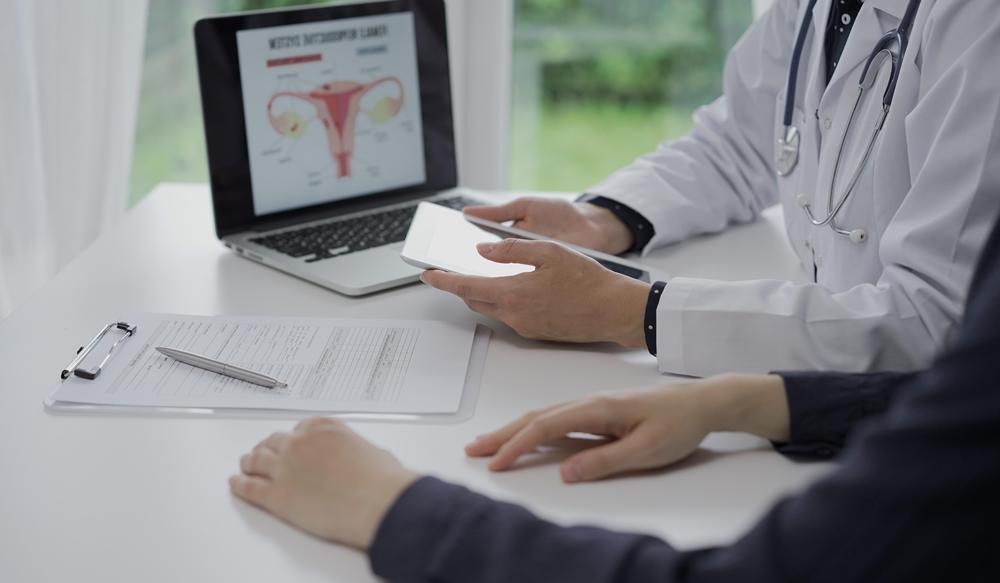
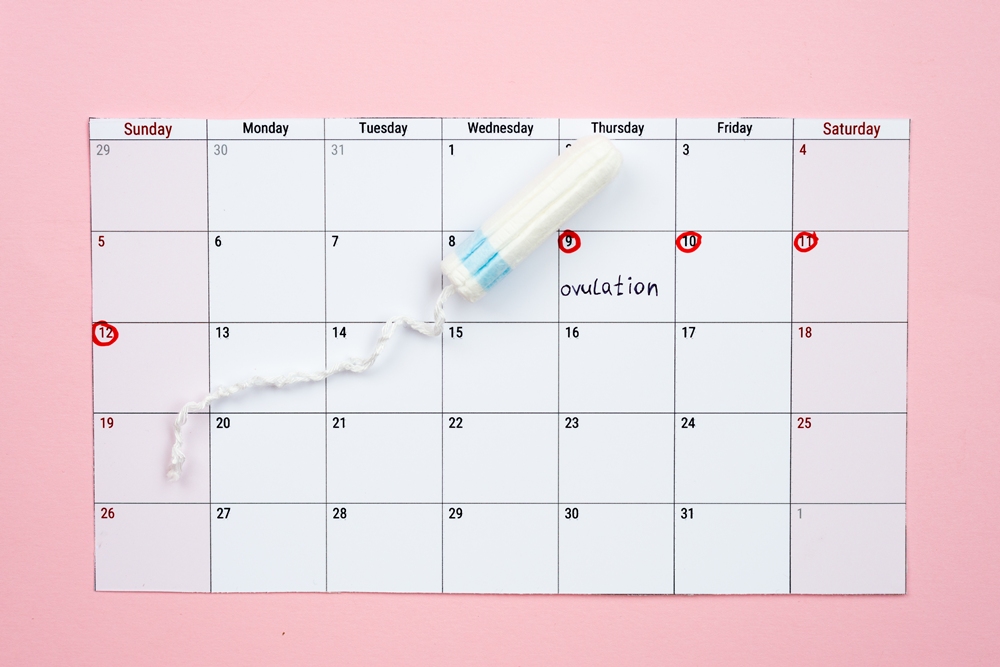
Some 76 per cent of women surveyed said they experienced menstrual health issues, with 23 per cent of those often missing work because of symptoms.
Nearly half of respondents, 49 per cent, said they felt uncomfortable talking about menstruation at work.
One respondent said: “As a woman, we try to get through the day, sometimes in pain that can’t be seen. We feel emotionally and physically drained.”
The research also found that 62 per cent of those who experienced baby loss reported a moderate or significant impact on work attendance.
More than half of respondents who experienced depression during pregnancy also reported a moderate or significant impact on attendance.
Some 63 per cent of mothers said it was “difficult” to return to work after pregnancy, while nearly half said their maternity pay arrangement had negatively affected their financial wellbeing.
One respondent said: “I almost walked away. The only reason I stayed was because I had to provide for my family.”
The survey also found that nearly half of respondents said menopause had some impact on their attendance, while more than six in 10 reported an impact on their work performance.
Some 44 per cent of women said they were “uncomfortable” discussing perimenopause and menopause at work.
One person said they were “already terrified of losing my job at my age:
“I need to just struggle through this without support or acknowledgement. That’s basically workplace discrimination.”
The Menopause Hub chief executive Loretta Dignam said women’s hormonal health has been treated as a “private or personal issue” for too long, “when the reality is that it has a very real impact on women’s working lives”.
“The fundamental point is that women are not ‘mini men.’
“Our biology is different, and workplaces that were largely designed around a male model of health and working life need to evolve to recognise that.
“What is striking is how many women continue to show up, perform, push through and progress at work while managing significant physical and emotional symptoms, often without the policies, understanding or practical support they need,” Dignam said.
She added that because expectations are changing, Gen Z and Gen Alpha employees will be “far less willing than previous generations to accept workplaces that ignore their health and wellbeing”.








 Entrepreneur2 weeks ago
Applications close August 18 for Women’s Health Innovation Summit 2026 Innovation Showcase

 Menopause2 weeks ago
Third of women unaware of perimenopause mental health impact

 Fertility1 week ago
Chelsea FC Women to launch first-of-its-kind player fertility fund

 Menopause2 weeks ago
Menopausal hormone therapy may lower dementia risk, study suggests

 Opinion1 week ago
anna perimenopause app launches across 39 markets

 Hormonal health2 weeks ago
We are wrapping our children in plastic and calling it care
 Pregnancy2 weeks ago
Chemicals in plastics may be linked to high blood pressure during pregnancy

 News2 weeks ago
Women with endometriosis face 46% higher risk of type 2 diabetes – study