




Imagine a world where women could use their menstrual blood to screen, diagnose and monitor a range of health conditions, all while contributing to valuable research and product development.
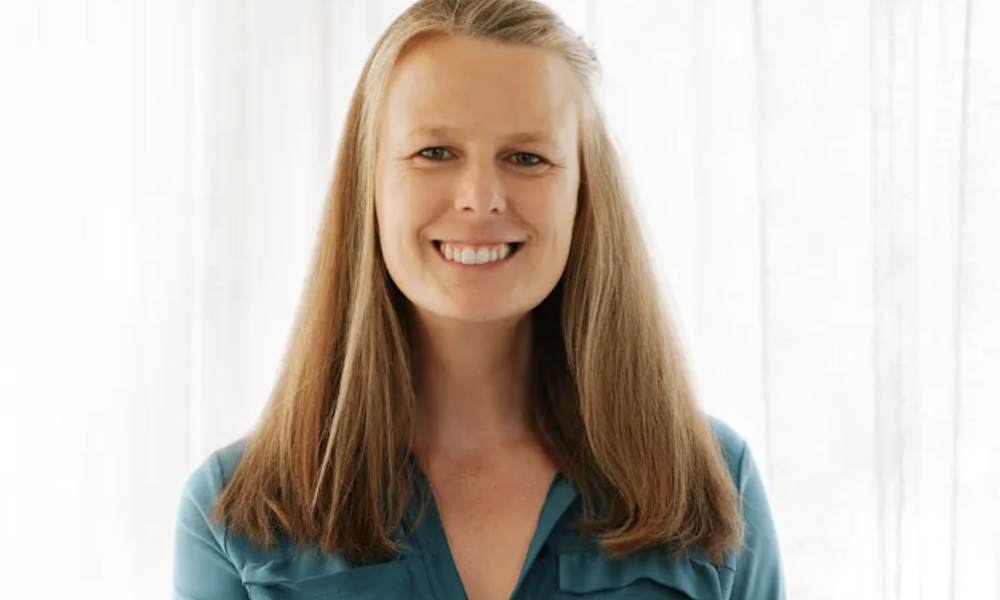
It’s not wishful thinking; it’s the bold idea of the South African entrepreneur and female health advocate, Karli Büchling, who is establishing Europe’s first period biobank.
A self-described problem solver, Büchling thinks Yoni Health could not only help millions of women manage their health, but completely transform the women’s health landscape by allowing people to donate their periods for medical research.

The process would be simple. Women would download an app, track their period, collect the menstrual blood and send it to the biobank, where the exciting part begins.
“Businesses and researchers working with us will be able to have access to the samples for research and product development; they could choose to either get us to do the research for them in our lab facilities or they could have their own scientists do the research,” Büchling explains.
That research though won’t be solely limited to female-specific health conditions.
“We are planning to go into a range of health conditions, such as ADHD, Parkinson’s, Alzheimer’s and cancer, and other areas that haven’t previously been explored,” says Büchling.
“We see a future where women can use their periods to self-diagnose and manage their health and where researchers and health professionals can provide safe and effective equitable healthcare solutions that work for the female physiology.”
Gender bias in healthcare
Around 1.8 billion people menstruate every month worldwide, meaning 800 million women and girls are on their period on any given day. Given those numbers, surprisingly little is known about menstrual blood itself.
“There are less than 400 studies done on menstrual blood – that’s compared to more than 16,000 on erectile dysfunction,” says Büchling. “We know very little about menstrual health and we have little to no education about periods.”
Historically, medical studies have excluded female participants and research data have been collected from males and generalised to females. The gender gap in medical research, alongside overarching misogyny, has resulted in real-life disadvantages for women.
“Misogyny and sexism have a lot to answer for when it comes to understanding the female body,” Büchling agrees.
“Healthcare today is based on the male physiology and it’s based on the assumption that the female physiology is exactly the same as the male physiology. Although we now know that that is not the case, we don’t understand very clearly what the differences are.”
She says: “We may not be treated as the default, but we need to move to a place where the male and the female physiologies can coexist.
“The more research we can do, the more data we can collect, the more analysis we can complete, the better solutions and innovations we can create that could serve the female physiology in its entirety.”
Things won’t change over night, the entrepreneur admits, but she remains optimistic.
“I made it my mission to make women’s health research more accessible not only to businesses and researchers, but to every single person who wants to contribute.
“I want to be an enabler and I want the biobank to be part of that.”
Yoni Health’s biobank is expected to launch in 2025. Join the waiting list at yoni.health.


Newsletter
Sign up for free weekly updates
The latest femtech news, research and investment, straight to your inbox.




