




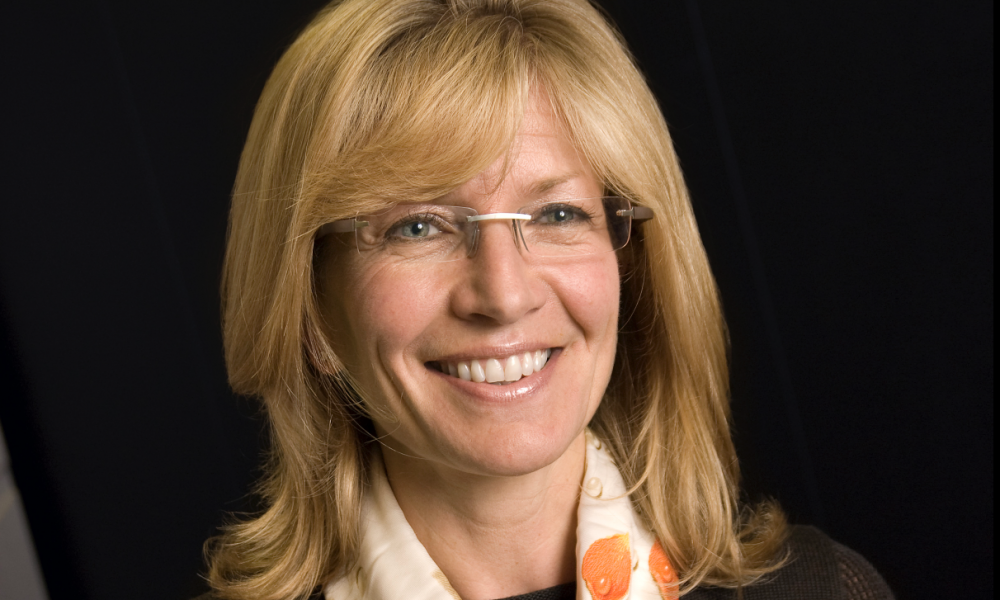
Femtech World discusses the importance of diversity and inclusion in the workplace with PwC chief inclusion and wellbeing officer Sarah Churchman.
FTW: In today’s fast-paced corporate world, the importance of diversity and inclusion has become increasingly apparent. What do they mean to you?
SC: I&D are pretty well understood concepts today whereas when I started out as an HR professional looking specifically at some of the challenges related to the under-representation of women in senior roles they really weren’t understood at all, indeed not regarded as particularly important.
There are many analogies that describe the concepts well, ranging from “Diversity is being invited to the party and inclusion is being asked to dance” or “Diversity is about counting the numbers (headcount) whereas inclusion is about making those numbers count”. Both are true! But in simple terms, diversity is a fact of today; our UK and global workforce is increasingly diverse.

Including that diversity however remains a choice and more than just a conscious one. I often come across people who have educated themselves or been educated about the value – true commercial value – of diversity in every sense and in every way essential to business survival in this rapidly changing world and yet they behave in a way that demonstrates the lack of any emotional engagement with the agenda (the so called say/do gap – they say one thing, based on having their awareness raised and then proceed to behave – often lead – in a way that totally negates this learning).
In today’s fast-paced and rapidly changing corporate world powered by tech and digital transformation, we need human, inclusive leaders to create sustainable, responsible business.
FTW: Why is it important to address the unique needs of diverse employees?
SC: Diverse employees is another term for today’s increasingly diverse talent; no single gender or ethnic group has a monopoly on talent and skills and so we have to create workplaces today that support the different needs of different kinds of people.
I liken the requirement of employers to that of the legal obligation of making reasonable adjustments to enable disabled or neurodiverse talent to thrive.
We should be doing this for everyone because everyone is different and if we are bringing talented people into our organisations because they have the skills and potential that we need then it makes sound commercial sense to do all that we can to support them to thrive and maximise their potential.
Bottom line, this is about treating people as individuals and not making assumptions about their needs/abilities based on certain stereotypes.
FTW: Women’s health in the workplace can often be overlooked. Why do you think this happens?
SC: Simple: many workplaces of the 20th century were created by men for men, particularly in the City for example (financial and professional services) and elements of those male dominated cultures do still remain albeit often in subtle cultural cues.
In the 1950s women had to leave work when they married, in the 60s when they started a family, they only started to be allowed to wear trousers in the late 80s/90s!
All these features have meant that, historically, no one discussed the menopause at work as few women of perimenopausal or menopausal age were working.
The fact that we are talking about these things today is a sign of our success in retaining women in the world of work. Many employers like PwC are trying to tackle some of the taboo health topics like mental ill health (which can also be triggered by hormonal changes like menopause) and some of the gynaecological health conditions such as endometriosis, infertility, miscarriage etc.
It makes commercial sense to care in today’s increasingly gender balanced world of work.

FTW: What steps could organisations like PwC take to support women in the workplace?
SC: At PwC, a day one provision is access to private medical cover which, given the challenges facing our NHS today, is an invaluable offering with shorter referral and waiting times.
PM cover is widening too based on wellbeing trends so extending this to menopause has been very positively received at PwC. Instant access to information and advice is also hugely welcome.
We partner with the online platform Peppy, for example, giving our people access to specialists (group or one-to-one) for matters such as fertility, having a baby and menopause.
But also reviewing our own policies is important, based on what our women are experiencing. We recently introduced paid fertility leave for example and, through our support of Wellbeing of Women, access to excellent webinars on a range of women’s gynaecological topics.
FTW: Do you think technology could play a role in strengthening wellbeing support in the workplace?
SC: Absolutely, with platforms and apps. Headspace for example is offered to our people and the take up rate is c50 per cent, something which has even surprised Headspace!
Our private medical provider AXA also offers app support allowing our people to track their physical and mental health over time. These sorts of nudges are essential in today’s working world.
FTW: What advice would you give to senior executives seeking to better support women in the workplace?
SC: This is an investment worth making; simply assuming that what works for men will suit women is not smart at all and only through understanding the support that is required, engaging with women to get their views, can leaders be sure they are creating the conditions for all their talent to thrive (and of course their business).
FTW: What would an ideal workplace that supports women’s needs look like to you?
SC: It would likely be fairly balanced, particularly at the most senior levels of the organisation, with a variety senior role models demonstrating their is no one way or route to the top where flexibility is welcomed, trust (that you get the job done, whatever your working pattern) pervasive and wellbeing evidenced by people feeling safe, happy and satisfied in their work. A high performing, gender-balanced business!
Sarah Churchman OBE is a senior HR professional with over 20 years’ experience in equality, diversity and inclusion and is one of the country’s leading practitioners in this field. She was awarded an OBE in the 2018 New Year’s Honours List for services to women in business, equality and diversity.
Newsletter
Sign up for free weekly updates
The latest femtech news, research and investment, straight to your inbox.




