




Mental health
The truth about cheap violins: are they worth it?


Some of you might say that cheap violins are too good to be true. We can’t blame you since violins really are expensive, but we’re also here to tell you that there are cheap violins that are worth the shot. In this mini guide, we’ll talk about what makes a violin cheap together with some ways you can get an affordable instrument.
What Makes a Violin “Cheap”?
A. Lower Upfront Cost
When it comes to upfront cost, we’re looking at violins that won’t make your wallet cry – typically in the $100-300 range. Think of it like buying a basic smartphone instead of the latest flagship model. To analyze whether this fits your needs, create presentations to break down the price range, material differences, and potential longevity of cheap violins versus premium models.
These violins are more affordable because they’re made in larger batches (picture a violin factory instead of a master craftsman lovingly carving each one by hand), and they use materials that won’t break the bank. Sure, you might not get the exotic wood that was aged for 100 years in an Italian cellar, but you’ll get something that can still make music!
B. Good for Temporary Use
As for temporary use – these are your “starter” violins, perfect for when you’re not quite ready to commit to being the next Paganini. Maybe you’re testing the waters to see if violin is your thing, or your kid suddenly announced they want to be in the school orchestra.
C. Construction Materials
The body of your violin tells most of the story. Higher-end violins use carefully selected solid spruce for the top and solid maple for the back and sides. But when you’re looking at cheaper violins, you might find laminated wood (think plywood) or even wood composites.
Is a Cheap Violin Worth It for Beginners?
A. Yes – A Good Starting Point for New Learners
When you’re just starting out, a cheap violin can absolutely make sense. Think of it as dipping your toes in the musical waters before diving into the deep end. You’ll be able to learn all the basics – how to hold the instrument, bow techniques, reading music – without worrying about scratching or damaging an expensive instrument while you’re still figuring out which end is up! Plus, if you discover that the violin isn’t your musical soulmate after all, you haven’t invested your life savings in the process.
B. No – It Might Limit Progress in the Long Run
Here’s the flip side though – if you find yourself falling in love with playing and practicing regularly, you might outgrow a cheap violin pretty quickly. It’s like trying to learn to drive in a car with a wonky steering wheel – you can do it, but it might teach you some bad habits. Poor sound quality might discourage you, constant tuning issues could frustrate you, and inferior playability might make certain techniques harder to master than they need to be.
Ways to get a “Cheap” Violins
A. Renting a Violin
This might be your best-kept secret in the violin world! When you rent, you’re getting a chance to test-drive the violin life without the full commitment. Many music shops offer rental programs that include maintenance (goodbye, broken string worries!) and sometimes even let you apply your rental payments toward buying an instrument later.
B. Buying a Used Violin
Here’s where you can potentially strike gold! Used violins are often like pre-loved books – they might have a story to tell, but they can still make beautiful music. You might find a higher-quality instrument at a budget price, especially if you know where to look. Local music shops, estate sales, or even your school’s music department might have some hidden gems. Just make sure to bring along someone who knows violins when shopping – it’s like having a mechanic check out a used car before you buy it.
Conclusions
Whether you’re renting or buying used, both paths can lead you to violin success without breaking the bank. Renting gives you flexibility and support, while buying used could land you a better instrument than you could afford new. The key is being smart about your choice and honest about your commitment level. Think of it like dating – sometimes you need to try a few options before you find “the one”!

Mental health
Dr-Julian helps deliver breakthrough mental health support for Black and ethnically minoritised mothers

A groundbreaking digital perinatal mental health pilot for Black and ethnically minoritised women has helped women access support faster, complete therapy at higher rates, and recover more successfully than national averages.
The partnership between digital tech company Dr-Julian and The Essential Baby Company Ltd within a new model of mental health care named haPPIE SHE Cares – who offer personalised support for women sharing their healthcare experiences, showed results well above NHS benchmarks for Black and ethnically minoritised women.
The pilot was created to help women who are less likely to use traditional mental health services during pregnancy and in the first year after giving birth.
By combining trusted community referrals, culturally aware support, and fast access to therapy through Dr-Julian’s online and virtual care platform, the programme delivered standout results.
Every woman who joined the pilot started therapy, 90 per cent completed treatment, and 74 per cent recovered; well above the NHS benchmark of around 52 per cent.
Women referred through community organisations accessed support in just one day on average, compared with around 21 days through many standard services.
Even the programme’s regular referral route reduced waits to 13 days.
The findings come as NHS leaders continue to focus on maternity inequalities and unequal access to mental health care.
Black and ethnically minoritised women can face barriers including stigma, language needs, lack of trust in services, childcare pressures, and difficulty navigating complex systems.
The haPPIE SHE Cares model was designed to break down those barriers by working with trusted community groups, offering culturally informed support, and where possible matching women with therapists who understood their background or language.
Gemma Poole for The Essential Baby Company said: “Too many women who need help feel unseen, unheard or unable to get support when they need it most.
“This project shows that when services are built around trust, culture and community, women engage, recover and thrive.
“This early success could provide a blueprint for reducing inequalities in maternal mental health care across the UK. Behind every statistic is a mother who felt supported, a family that benefited and a woman who found her voice.
“Mental healthcare must work for every community. This partnership shows that when high-quality therapy is combined with culturally responsive support, outcomes improve and women get help faster.
We are proud to have provided the therapists, virtual care systems and digital pathways behind this programme. We believe this model could help NHS organisations nationwide cut waiting times and improve recovery rates.”
Women who took part described the programme as life-changing, saying it reduced isolation, gave them confidence speaking with healthcare professionals, and made them more willing to seek help.
With growing pressure on maternity and mental health services, leaders behind the project say the pilot offers a practical solution that improves care while helping cut long waiting lists.
Plans are now being explored to expand the model through training, regional partnerships, and future funding.

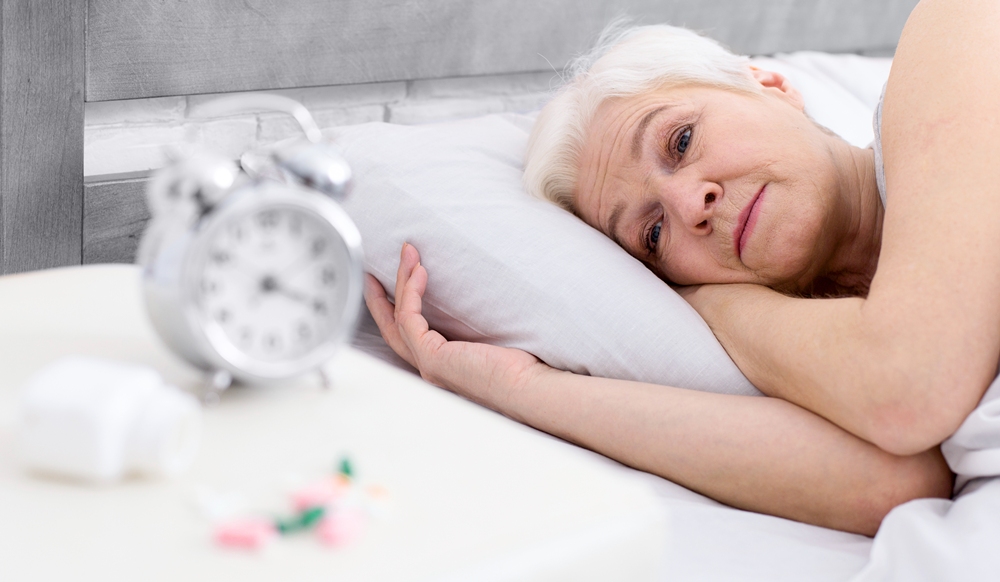
Poor sleep may signal higher Alzheimer’s risk in older women with greater genetic risk, a study suggests.
Older women who reported poorer sleep also showed greater memory difficulties and more Alzheimer’s-related brain changes, the study found.
That pattern appeared only in women with higher genetic risk, suggesting sleep complaints may be a stronger warning sign for some women than for others.

Researchers examined 69 women aged 65 years and older taking part in the Women Inflammation Tau Study, an ongoing project focused on ageing and Alzheimer’s disease risk.
Participants completed questionnaires about their sleep quality, underwent memory testing and received brain scans measuring tau. Tau is a protein that accumulates abnormally in Alzheimer’s disease.
The study found that poorer self-reported sleep was associated with worse visual memory performance and greater tau accumulation in brain regions affected early in Alzheimer’s disease, but only among women with higher genetic risk.
Women with lower genetic risk did not show the same relationship between sleep complaints, memory and tau build-up. The finding was specific to visual memory and was not observed for verbal memory.
Researchers said the results add to growing evidence that sleep disturbances and Alzheimer’s disease may reinforce one another over time.
Previous studies have suggested that disrupted sleep can contribute to the build-up of abnormal tau proteins, while Alzheimer’s-related brain changes may also interfere with healthy sleep patterns.
Because women account for nearly two thirds of Alzheimer’s cases and frequently report poorer sleep quality than men, the researchers said sleep may represent an important and potentially modifiable risk factor in older women.
The authors noted that self-reported sleep assessments are inexpensive and easy to administer, raising the possibility that sleep complaints could help identify people who may benefit from closer monitoring or early intervention.
They also suggested that improving sleep could become a target for future Alzheimer’s prevention strategies, particularly for women at elevated genetic risk.












 Opinion4 weeks ago
What Maternal Mental Health Month reveals about where postpartum support actually breaks down

 News3 weeks ago
NIH Grant terminations disproportionately impact minority scientists, research finds

 Hormonal health5 days ago
Perimenopause misinformation ‘putting women at risk’

 Adolescent health3 weeks ago
WUKA brings Period-Positive Pool Party to London Aquatics Centre to keep girls swimming through puberty
 Insight3 weeks ago
PCOS renamed after decade-long campaign to end ‘cyst’ misconception

 Events4 weeks ago
WHIS 2026 unveils agenda and first speakers for the leading women’s health summit
 Menopause3 weeks ago
CBT shows promise for menopause insomnia and hot flashes

 Insight4 weeks ago
Online abuse and deepfakes ‘pushing women out of public life’
1 Comment