




Insight
Why generic fitness plans need to catch up to hormonal science


Each January, millions engage in intense workout routines and rigid fitness challenges in a bid to enhance personal fitness for the year ahead.
But women-led period and cycle tracker Clue warns that much mainstream fitness advice is based on a flawed assumption: that bodies perform the same way every day.
For people with menstrual cycles, hormonal fluctuations can shape energy, mood, sleep, motivation, perceived effort and recovery, meaning following a generic, one-size-fits-all training plan could in fact be the cause of increased burnout, injury risk and drop-off.
This January, Clue in partnership with ŌURA, the wearable health platform, are calling for a smarter approach to 2026 fitness plans: cycle-aware, data-led routines, that are built around strength, flexibility and recovery.
The January Fitness Boom
Insights from ŌURA prove January fitness culture is real compared to other winter months.
In the UK, ŌURA saw a 28.2 per cent increase in the percentage of days with a logged workout in January 2025 vs December 2025 (excluding housework, walking and “other”).
In the US, the increase was 19.5 per cent over the same period.
Dr Charis Chambers, chief medical officer at Clue, said: “Beginning the new year with a commitment to regular exercise is a common way to prioritise health, but abruptly starting intense fitness training can actually increase risks of health issues.
“This is why the ‘push through it’ fitness culture we often see in January can be particularly harmful for women and people with menstrual cycles.
“Rather than pushing through fatigue, pain or disrupted sleep, people will see greater long term benefit from adapting workouts to how their bodies feel across the cycle and using data to understand what’s normal for them.”
Data-driven Exercise
With wearable fitness tracking now mainstream, more women and people with cycles are building fitness habits using biometric feedback such as sleep, temperature trends and recovery.
This provides a broader picture of their health, allowing them to spot changes, monitor health goals, and adapt routines in ways that feel aligned with their bodies.
Dr Chris Curry, MD, PhD, clinical director of women’s health at ŌURA, said: “By combining ŌURA’s readiness, sleep, and activity data with Clue’s detailed cycle tracking, women have a more complete picture of how hormonal fluctuations impact overall health and well-being.
“This integration enables members to observe how their menstrual cycle phases may align with changes in sleep patterns, energy levels, stress resilience, and recovery capacity, informing more flexible, cycle-aware fitness routines that can be adapted to the body’s natural rhythm.”
Everyday high intensity exercise doesn’t work long term
January fitness culture often equates “more” and “harder”, leading many people to gravitate towards daily HIIT-style workouts that promise quick change.
But experts warn that this approach isn’t always sustainable, particularly for people with menstrual cycles.
Eve Lepage, senior reproductive health specialist at Clue, said: “High-intensity workouts create short-term increases in cortisol, which is normal.
“But repeatedly stacking intense sessions without adequate recovery can lead to fatigue, disrupted sleep and burnout.
What the evidence supports instead is balance, anchoring routines in strength training at least twice per week, using higher intensity in moderation, and allowing flexibility based on how you feel.”
By contrast, excessive cardio or high-intensity training without sufficient recovery can negatively impact the body’s cortisol patterns.
Clue user data shows that walking (32 per cent), rest days (24 per cent), and strength training (16 per cent) are the most commonly tracked activities, highlighting that consistent, everyday movement, rather than extreme routines, forms the foundation of how most people actually exercise.
According to Clue, this is an important reminder during January’s fitness push: movement doesn’t need to be extreme to be effective.
Cycle-awareness doesn’t mean rigid ‘cycle syncing’
While cycle-synced workouts have gained recent attention, Clue experts emphasise that there is a lack of scientific evidence to support this effectiveness as a one-size fits all approach.
Instead, a more effective approach is cycle aware and symptom-guided, using menstrual cycle tracking to understand individual patterns over time and adjusting training intensity based on how the body feels day-to-day.
“Cycle awareness isn’t about following strict rules, it’s about self-knowledge,” said Eve Lepage.
“Some people notice changes in energy, mood or perceived effort across their cycle. Some feel stronger or more energetic during the late follicular phase (on the days leading up to ovulation), while feeling more tired during the luteal phase (after ovulation and before the next period), while others don’t notice much difference at all.
Rather than asking ‘What should I do in this phase?’, a better question is: ‘How do I usually feel here?’ and adjust accordingly.”
Clue health experts encourage an approach to fitness that prioritises long-term health over short-term intensity.
Rather than aiming for perfection, Clue experts recommend building routines around four evidence-based principles, designed to support strength, recovery, and consistency:
- Strength training as the foundation – Supporting long-term muscle, metabolic and bone health, strength training is one of the most effective ways to build resilience and reduce injury risk. It also offers flexibility: intensity and load can be adjusted based on symptoms, fatigue, or low readiness days.
- Adequate recovery (non-negotiable) – Recovery is when the body adapts and improves. Without enough rest days, people are more likely to experience persistent fatigue, disrupted sleep, reduced motivation, or injury, all of which increase drop-off and burnout.
- Aerobic training with flexible intensity — not “push through it” culture – Sustainable fitness is built around adapting workouts to real-life signals. On lower-energy or symptom-heavy days, a routine might shift from HIIT to lower-impact movement like cycling, or reduce duration, all without “failing” the plan. Most important is to move regularly, on most days, even when it’s just going for a walk on some days.
- Listening to bodily signals (including cycle changes) – Persistent fatigue, pain, disrupted sleep, emotional exhaustion and even cycle changes such as irregular, missed or lighter periods can be signs the body is under excessive stress. Clue experts emphasise that the menstrual cycle is a vital sign, and significant changes can indicate it’s time to scale back and prioritise recovery.
Together, Clue’s cycle insights and ŌURA’s biometric tracking help people better understand how menstrual cycle phases may align with changes in energy, mood and recovery — supporting training routines that are sustainable year-round.
Head to www.helloclue.com for more information and to download the app and learn more about Oura Ring and Oura health insights at www.ouraring.com














Natural Cycles has received its sixth FDA clearance for an updated fertility algorithm designed to personalise digital contraception.
The regulator cleared the company’s next-generation NC° Fertility Algorithm, which combines statistical modelling with machine learning to predict fertile and non-fertile days.

Natural Cycles said the algorithm was trained on tens of millions of real-world fertility data points and adapts to individual cycle patterns.
“People don’t just want effective birth control; they want a method that fits naturally into their lives,” said Dr Elina Berglund Scherwitzl, chief executive and co-founder of Natural Cycles.
“One of the unique advantages of a software-based contraceptive is that it can continue to evolve.
“As our scientific understanding of fertility grows and we continue to learn from more than a decade of real-world data, we can responsibly refine the technology through rigorous research, clinical validation, and FDA review.
“This latest clearance is the result of that work, helping us give many users more flexibility while maintaining the effectiveness they rely on.”
Evidence supporting the FDA clearance showed that the updated system maintained the app’s established safety and effectiveness while giving many users more Green Days.
Green Days are those on which the app confirms that pregnancy protection is not needed.
The birth control app remains 98 per cent effective when used as intended and 93 per cent effective with typical use, according to the company.
Natural Cycles said these rates place it in the same effectiveness category as the combined oral contraceptive pill.
Typical use includes mistakes or inconsistent use, while intended use means following the method correctly.
Digital contraception uses technology and physiological data, such as body temperature, to provide personalised fertility predictions.
Natural Cycles said its updated algorithm can identify fertile and non-fertile days more precisely than traditional fertility awareness methods, which may classify larger parts of the cycle as potentially fertile.
The changes provide more Green Days while maintaining effectiveness, improve performance for people with irregular cycles and better handle lower-quality temperature or biomarker data, the company said.
A biomarker is a measurable biological signal, such as body temperature, that provides information about processes taking place in the body.
Natural Cycles also said the system can personalise its predictions more quickly as a user’s menstrual cycle changes over time.
“Years ago, the question was whether digital contraception could work. Today, Natural Cycles has demonstrated robust clinical and real-world evidence that it can,” said Dr Kerry Krauss, senior medical adviser at Natural Cycles.
“The next chapter for digital contraception is making it more personalised and easier to use while maintaining the same high standard of safety.
“This FDA clearance demonstrates how advances in AI and machine learning can improve the user experience while preserving the scientific rigour expected of a regulated medical device.”
Natural Cycles has filed a patent application covering key innovations in the updated algorithm.
The decision follows the FDA’s first De Novo clearance of the company’s birth control app in 2018.
Later clearances allowed the app to integrate with the Oura Ring in 2021 and Apple Watch in 2023.
In 2024, the FDA cleared a Predetermined Change Control Plan, creating a regulatory pathway for future hardware integrations.
Natural Cycles said the plan has since enabled the launch of its NC° Band and other hardware integrations, including a Garmin connection introduced in March 2026.
A further clearance in 2025 allowed the birth control app to be offered both over the counter and by prescription.
The company has also received regulatory authorisations in more than eight markets worldwide, including Europe, Canada, Brazil, Australia, South Korea and Singapore.
Insight
Experimental treatment significantly slows progression of fatal brain disease in women, study finds

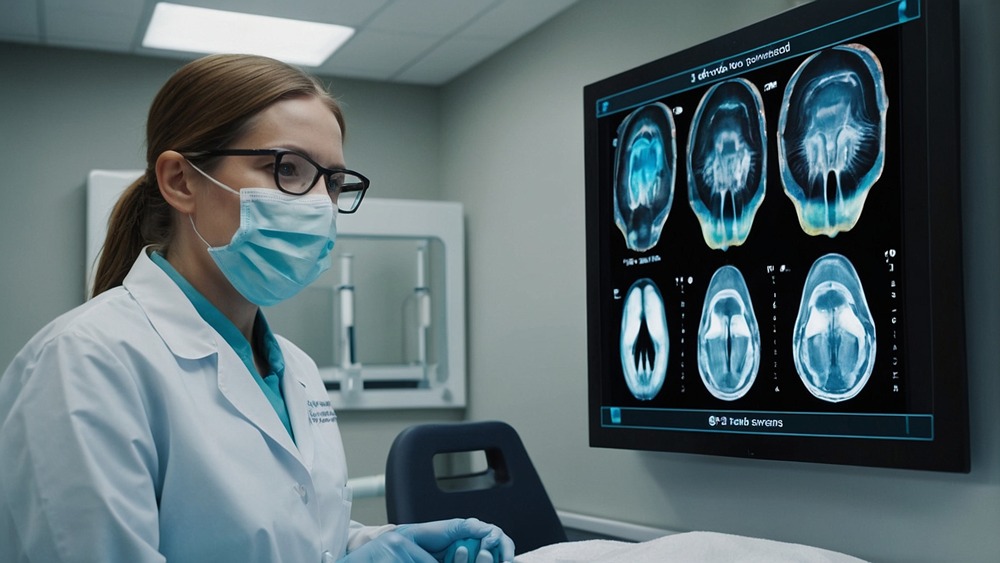
Davunetide may significantly slow the progression of a fatal brain disease in women, according to a new analysis of clinical trial data.
The findings indicate that women and men with progressive supranuclear palsy (PSP) may respond differently to the experimental treatment.
Progressive supranuclear palsy, or PSP, is a rare and fatal neurodegenerative disease.
Researchers at Tel Aviv University led the analysis and said the results reinforce the need for sex-specific approaches to neurodegenerative diseases.
Neurodegenerative diseases are conditions in which nerve cells in the brain or nervous system gradually lose function and die.
The team reanalysed data from a 52-week international clinical trial involving more than 300 people with PSP.
The disease is caused by the abnormal accumulation of tau protein in the brain. Tau is a protein found in nerve cells that builds up abnormally in people with PSP.
There is currently no effective drug treatment for the disease.
The work was led by professor Illana Gozes of the Sagol School of Neuroscience and the Gray Faculty of Medical and Health Sciences at Tel Aviv University.
The research team included current and former students Dr Guy Shapira, Jason Blatt and Liri Guz, together with professor Noam Shomron.
The original clinical trial found that Davunetide was safe but ineffective.
However, the researchers separated female and male participants and re-examined the data using updated assessment measures recommended by the FDA.
Women treated with Davunetide experienced a significant slowing of disease progression, while no similar effect was observed in men.
The treatment helped preserve essential movement and functional abilities, including balance, fine motor skills and everyday tasks such as using cutlery, buttoning clothes and washing the face and hands.
Fine motor skills are the small, precise movements needed for tasks involving the fingers and hands.
Treated women also showed significant improvements in language ability, working memory and overall cognitive function.
Cognitive function covers mental abilities such as memory, attention, language and problem-solving.
The analysis also identified profound molecular differences between women and men.
The relationship between levels of pathological tau in cerebrospinal fluid and clinical symptoms was completely reversed between the sexes.
Cerebrospinal fluid is the clear liquid surrounding the brain and spinal cord. A biomarker is a measurable sign that can indicate disease activity.
For example, language abilities declined significantly as tau pathology increased in women, but not in men.
The researchers said this suggests the disease mechanisms may work differently in women and men, potentially explaining their different responses to treatment.
According to professor Gozes, overlooking biological differences between the sexes may hide a genuine treatment effect.
“Our data show that analysing women and men separately is not merely a statistical exercise, but an essential tool for developing more effective treatments for neurodegenerative brain diseases,” she said.
The researchers believe the findings provide a strong scientific basis for future clinical trials and treatment protocols designed from the outset to account for patients’ sex.
These trials could evaluate Davunetide as a targeted treatment for women with PSP.
They said the approach may also pave the way for more precise treatments for tau-related diseases, including Alzheimer’s disease and other neurodegenerative brain disorders.
The study was supported by ExoNavis Therapeutics, which is developing Davunetide for brain diseases under licence from Ramot, Tel Aviv University’s technology transfer company.
News
From Hologic to Ark Surgical: Why Joseph LaBruzzo is betting on the future of women’s surgical innovation

After more than two decades leading organisations at some of the world’s most respected medical device companies, including Hologic, SenoRx Breast Care, and BTL Industries, Joseph B. LaBruzzo is embarking on a new chapter as President & CEO of U.S. Operations and Board Member at Ark Surgical.
We sat down with Joseph to discuss what drew him to Ark Surgical, why he believes women’s surgical innovation is entering a transformative era, and what it takes to bring meaningful technologies from concept to standard of care.
You have held leadership positions at some of the biggest names in MedTech. What attracted you to Ark Surgical?
Throughout my career, I’ve been fortunate to work with organisations that developed technologies capable of changing the standard of care.
What attracted me to Ark Surgical is the opportunity to help address a meaningful unmet need in gynecologic surgery with an innovation that has the potential to improve patient outcomes while preserving the benefits of minimally invasive surgery.
Opportunities like that don’t come along very often.
FemTech World recently highlighted that many women remain unaware of gynecologic cancers and that unexpected diagnoses continue to have a profound impact on patients and families.
How has your own experience shaped the way you think about innovation in women’s health?
Earlier in my career, I witnessed many women receive life-changing cancer diagnoses.
Those experiences stayed with me and reinforced my belief that if there’s an opportunity to reduce risk through better innovation, it’s one worth pursuing.
That’s one of the reasons I was drawn to Ark Surgical.
The vast majority of minimally invasive gynecologic procedures are performed for conditions believed to be benign. Unfortunately, in rare cases, pathology later reveals an unexpected malignancy.
LapBox was designed with a proprietary dual-wall tissue containment system to help facilitate contained specimen retrieval and minimise the risk of tissue spillage during laparoscopic procedures.
I believe innovations like this can help surgeons manage the unexpected while preserving the many benefits of minimally invasive surgery for women.
Women’s health has gained significant momentum in recent years, yet surgical innovation often receives less attention than diagnostics or therapeutics. Why do you think that is?
Women’s health has historically been underfunded and underserved across many areas of medicine, and surgery is no exception.
While we’ve seen tremendous advances in diagnostics and pharmaceuticals, there are still important opportunities to improve the surgical experience for both physicians and patients.
Innovation that enhances safety, efficiency, and outcomes has the potential to make a lasting impact.
What excites you most about LapBox?
LapBox addresses a very real challenge that gynecologic surgeons face during minimally invasive procedures.
It was thoughtfully designed to integrate seamlessly into the surgical workflow while providing an added layer of confidence when tissue retrieval is required.
I believe technologies that solve real clinical challenges in a practical way have the greatest potential to become part of the standard of care.
What do you see as the biggest unmet needs in minimally invasive gynecologic surgery today?
The future of surgery isn’t simply about making procedures less invasive. It’s about making them smarter and safer.
Surgeons need technologies that integrate seamlessly into their workflow while helping them navigate increasingly complex clinical situations.
Every advancement that helps reduce risk while preserving the benefits of minimally invasive surgery has the potential to improve outcomes for both physicians and patients.
That’s where I believe the greatest opportunities for innovation exist.
As you take on this new role, what are your priorities over the next 12 months?
Our focus over the next 12 months is to build a strong foundation for growth. That means expanding physician partnerships, driving early clinical adoption, growing our team, and ensuring that more surgeons have access to technologies like LapBox.
At the same time, we’re focused on building strategic relationships with investors, healthcare systems, and industry partners that support our long-term vision.
What advice would you give entrepreneurs building the next generation of women’s health companies?
Start with a real clinical problem and never lose sight of the patient.
Great technology alone isn’t enough. You also need strong clinical evidence, physician advocates, and a clear market strategy. The companies that succeed are the ones that bring all of those pieces together while remaining focused on improving patient care.
About Joseph B. LaBruzzo
As President & CEO of U.S. Operations and Board Member, Joseph LaBruzzo is leading Ark Surgical’s U.S. growth strategy, physician partnerships, strategic investment initiatives, and organisational expansion, supporting the company’s mission to advance safer minimally invasive gynecologic surgery through innovative technologies.









 News2 weeks ago
New menopause drug approved for use by NHS in Scotland

 Hormonal health2 weeks ago
Stardust period tracker shares health data, study reveals

 News1 week ago
Zero Candida market set to reach over US$2 billion by 2030 – report

 Insight2 weeks ago
Women’s health draws record $1.55bn in equity as capital spreads beyond the mega-rounds

 Entrepreneur2 weeks ago
Onto Health acquires diagnostics software company Levy Health

 Mental health1 week ago
Nearly 60% of young women get health advice from influencers, research finds

 News2 weeks ago
Congress urged to invest over $20bn to close women’s health gap

 News5 days ago
From Hologic to Ark Surgical: Why Joseph LaBruzzo is betting on the future of women’s surgical innovation