




Wellness
Weight-loss jabs may worsen bone health in menopausal women


Experts warn weight-loss jabs such as Wegovy and Mounjaro could worsen bone health in menopausal women already at risk of osteoporosis.
Dr Jack Mosley, son of the late broadcaster and health advocate Michael Mosley, said the treatments may carry hidden side-effects for women with fragile bones.
The drugs mimic GLP-1, a natural hormone that increases insulin, slows digestion and reduces appetite. While trials show strong weight-loss results, rapid weight reduction can worsen osteoporosis – a condition that leaves bones brittle and prone to fracture.

Speaking on The Dr Louise Newson Podcast, Dr Mosley said: “We know one of the risks of GLP-1s is that a significant amount of the weight you lose is muscle or lean body mass… 25–40 per cent of the weight you lose is body mass.
“And a main component of that is muscle. And muscle is so important for longevity and living healthy independent life in later age.
“I do also have some concerns it could, in certain people who aren’t eating the right nutrition, it could actually potentially exacerbate things like osteoporosis in menopausal women.
“That period around menopause and perimenopause, your hormones completely change and the decline in oestrogen and testosterone and progesterone can have big effects on you, especially in body composition… muscle loss can accelerate and other things like osteoporosis. So we really need to approach them with knowledge and care.”
Dr Mosley said GLP-1 drugs were “powerful” but “not magic bullets” in the battle against obesity.
Common side-effects include nausea and diarrhoea, with some patients developing serious complications such as pancreatitis or allergic reactions.
Dr Martin Whyte, associate professor of metabolic medicine at the University of Surrey, said it was “not proven” that GLP-1s themselves reduce bone mineral density.
“In fact, some studies suggest these drugs may have protective effects on bone,” he said.
“Major trials found no increased risk of fractures. However, a key complicating factor is that weight loss – regardless of the cause – can increase the risk of low bone density, especially when it occurs rapidly.
“This happens because weight loss reduces the mechanical load on bones and alters the hormonal signals that regulate bone maintenance. Regular exercise, by increasing mechanical load, can help counteract the effects of weight loss on bone health.”
Around 1.5m Britons are now paying privately for weight-loss jabs, while NHS provision remains limited.
The drugs have also gained celebrity endorsement, with former tennis champion Serena Williams appearing in an advertising campaign.
Dr Mosley raised concern over a lack of awareness about the risks: “People are not provided with information about these medications.
“They are very effective but a lot of people don’t understand the risks and rewards, the side effects and how to manage them.”
Stephen Lawrence, a GP and associate clinical professor at the University of Warwick, said GLP-1 drugs were “powerful medical tools with clear benefits for some, but also real risks, especially muscle loss and potential nutritional problems, if used without lifestyle changes or medical oversight.”
“They are much more than magic bullets and should be approached thoughtfully, respecting both their potential and their limits,” he said.
“Menopause is a time of significant metabolic change, and while GLP-1 medications and hormone therapy both have roles in managing weight and health for women in this phase, they are most effective and safest when used as part of a broader lifestyle plan that includes exercise and nutritional support.
“Individualised care and evidence-based medical advice should always guide choices around these medications.”
Professor Lawrence added that women accessing the drugs on the black market faced greater risks.
Dr Mosley clarified that he was “not for or against” weight-loss jabs, adding: “They can be really beneficial for certain people, who are living with obesity and have tried a lot of these other dietary options. It is very difficult for some people.”






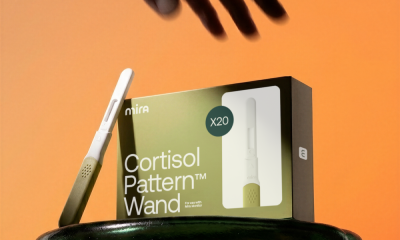






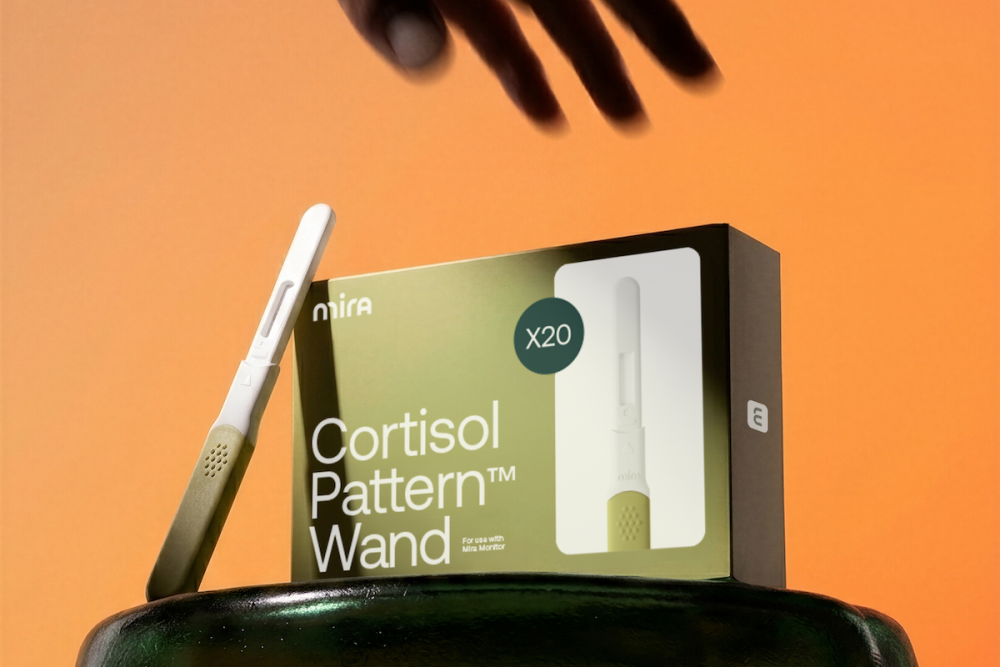
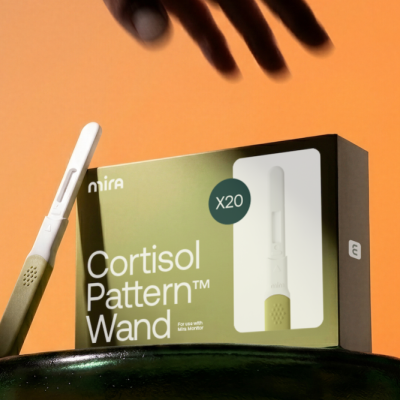
Mira has launched an at-home cortisol tracking kit that allows women to monitor stress-related patterns over time using urine samples.
The Cortisol Pattern Kit measures urinary free cortisol directly from a urine sample and displays results through the company’s existing monitor and app.
The system is intended for repeated testing rather than a single measurement, allowing users to compare results with a personal baseline built from their own data.
Mira said consistent daily testing can establish a baseline in about a week. It recommends testing in the morning and evening to see how cortisol patterns change throughout the day.
Cortisol is involved in the body’s stress response but is not a direct or complete measure of stress. The company said the kit is intended for general wellness use and is not designed to diagnose stress, an endocrine condition or any other medical condition.
The Cortisol Pattern Wands use the same lateral-flow testing format as Mira’s existing hormone tests. Users dip a wand into a urine sample, insert it into the Mira Monitor and view the result in the app within minutes.
The company said cortisol data can be viewed alongside cycle, hormone and daily routine information.
Sylvia Kang, founder and chief executive of Mira, said: “The Cortisol Pattern™ Kit gives women a new way to understand their stress patterns over time, in the context of their own biology.”
She added: “We built Mira to give women answers they had spent far too long searching for, beginning with the TTC journey and expanding into hormone and cycle tracking across life stages, including perimenopause. Now, we’re taking Mira beyond reproductive health and into everyday wellness, bringing personalised stress-pattern tracking directly into women’s homes.”
Mira said more than 350,000 women already use its platform to track their cycle and hormones.
Waitlist sign-ups for the Cortisol Pattern Kit and Cortisol Pattern Wands opened on 22 September, with wand refills available to pre-order in 20- and 30-count options.

Manchester City has launched a female athlete health platform covering menstrual, pelvic and breast health, as well as nutrition.
The Her City website is designed for the club’s women’s first-team players, coaches, support staff, academy players and parents.
Manchester City says the platform is the first of its kind in the Women’s Super League and was developed over two years.
The project was led by director of performance services Emma Deakin, physical performance scientist Rosie Anderson and PhD student and first-team nutritionist Sarah Malone.
It grew out of PhD research into menstrual, pelvic and breast health and nutrition, with the team seeking to turn that work into an online educational resource.
The website divides the four areas into separate sections and provides peer-reviewed information that the club says has been critically analysed by experts.
Content will continue to be reviewed and updated as further evidence emerges.
Resources include posters, visual explainers, audio materials and downloadable educational content, with information tailored to different groups including players and parents.
The platform aims to improve knowledge, develop critical analysis skills and strengthen communication within football and at home.
It also includes material to help users assess misinformation they encounter on social media or elsewhere.
A confidential contact form allows users to raise concerns or ask questions directly of experts at Manchester City.
Parents of academy players can also access the platform, with resources intended to help them support their children during a key phase of their development.
Manchester City said its longer-term aim is to make the platform available to all women working across City Football Group.









 Menopause1 week ago
Menopause may not explain rising heart condition in women – study

 Pregnancy2 weeks ago
Paracetamol use may impact future fertility, studies suggest

 Insight1 week ago
Women with birth trauma face 2.5x higher healthcare costs – study

 pain conditions1 week ago
Medical cannabis may improve endometriosis symptoms – study

 Mental health5 days ago
Neuroscience-backed journaling for women’s mental health

 Cancer1 week ago
Study could explain why obesity is a breast cancer risk factor

 Menopause2 weeks ago
Menopause hormone therapy may improve cardiovascular health outcomes, study suggests
 AI1 week ago
Evvy secures US$40m for AI-powered vaginal microbiome testing
1 Comment