




Insight
Redefining quality of life: The role of non-invasive treatments in women’s health
By Gloria Kolb, Co-founder & CEO – Elitone


In women’s healthcare, the options for treating various conditions have traditionally leaned heavily toward surgical or pharmaceutical interventions.
While these treatments are effective in many cases, they often come with risks, downtime, and long-term side effects.
From surgeries that require lengthy recovery periods to medications with potential side effects that can disrupt daily life, these options can significantly impact a woman’s quality of life.
However, as healthcare evolves, so does the demand for more non-invasive solutions. Today, women seek alternatives that provide relief without compromising their lifestyles or health.
Non-invasive treatments offer a refreshing departure from conventional approaches that often prioritise more intrusive methods because they are designed to be less disruptive, allowing women to continue with their lives without significant interruptions.
Wearable treatments, lifestyle modifications, and other non-invasive options improve the overall quality of life in women’s health by prioritising their balance, well-being, and control.
The push toward surgical and pharmaceutical solutions
The traditional medical and pharmaceutical communities often lean toward surgical or pharmaceutical interventions for various reasons, not the least of which is profitability.
Surgical procedures and long-term pharmaceutical treatments are not only more lucrative for healthcare providers but also offer a clear-cut, often immediate, solution to certain health conditions.
For example, surgeries for conditions like incontinence, pelvic organ prolapse, or other women’s health issues are commonly marketed as a definitive “fix.”
Medications, meanwhile, are often prescribed to manage symptoms over the long term.
While this approach can create continued profits for pharmaceutical companies, clinicians do not prescribe medications with this in mind.
Rather, medications are often seen as a quick and straightforward solution: a prescription that gets a patient on their way with minimal effort required in the short term.
However, these solutions can come at a significant cost to the women undergoing them.
Surgical procedures can involve weeks of recovery, potential complications, and even repeat operations. They can be costly, and copays and deductibles are substantial.
Additionally, while pharmaceutical interventions can be less invasive than surgery, they often come with a range of side effects specific to the condition being treated.
For instance, medications for endometriosis or hormone replacement therapy can lead to weight gain, fatigue, or hormone imbalances, which can disrupt daily life and add stress for many women.
These trade-offs are often a source of frustration, as managing the side effects can feel like swapping one problem for another. Incorporating broader examples of women’s health issues, such as endometriosis, polycystic ovary syndrome (PCOS), or menopause, makes the conversation around treatment options more relatable and comprehensive.
What non-invasive treatments offer
Non-invasive treatments, by contrast, redefine what it means to manage health conditions.
While clinicians may define “non-invasive” as strictly non-surgical, the broader perspective includes treatments that avoid physical intrusion, require fewer clinician visits, and don’t demand significant time off work or logistical challenges like arranging transportation.
These hurdles often discourage women from completing or even starting the care they need.
Non-invasive options remove these barriers, making it more likely that women will adhere to and benefit from treatment.
In medical terms, this approach is often referred to as “conservative” treatment. The idea is to try solutions that don’t permanently alter the body or limit future options.
For example, once a surgical implant is placed, other procedures become more complicated or unavailable.
Conservative treatments, by contrast, allow women to explore other options later if needed.
Take, for example, wearable treatments for incontinence. These devices offer a discreet, non-invasive way to treat symptoms by strengthening the pelvic floor muscles over time.
Wearable treatments don’t require surgery or even any downtime. Women can go about with their tasks while getting treatment.
Furthermore, women don’t have to wear the device all day — it only takes up to 20 minutes — and many of these non-invasive options are designed to address multiple conditions beyond incontinence, including pelvic pain, hormonal imbalances, or menstrual irregularities.
By working with the body’s natural rhythms, they offer a gentler alternative to conventional treatments.
This alignment with the body allows women to feel in control of their health, pursuing treatment that supports their needs without dominating their lives.
Redefining quality of life for women
Quality of life is a concept that extends beyond simply managing symptoms.
It encompasses a woman’s overall well-being and ability to engage fully in her relationships, work, and personal interests without being hindered by her health.
Non-invasive treatments offer solutions that respect this broader definition of wellness.
For instance, non-invasive treatments such as pelvic floor therapy or low-impact physical therapies can help women regain control of their bodies without the need for surgery.
These treatments encourage gradual, natural improvement over time, allowing women to recover strength and function at their own pace.
There’s no need for a significant disruption to daily life. which is particularly important for women who balance multiple roles — whether in the workforce, at home, or both.
Similarly, lifestyle modifications such as dietary changes, stress management techniques, or even behavioral therapies can be instrumental in managing women’s health conditions without the need for aggressive treatments.
These approaches support physical health and mental and emotional well-being, reinforcing the idea that quality of life is multidimensional.
When women have access to non-invasive treatments, they are empowered to make choices about their healthcare that prioritise their personal and professional lives.
This is crucial in an era when women are managing more than ever — family, career, personal development, and health.
Non-invasive treatments offer a way to balance these aspects without sacrificing well-being.
The future of non-invasive treatments in women’s health
As more women demand non-invasive options, the healthcare landscape is gradually shifting.
Wearable devices, digital health solutions, and other innovations make it easier for women to take control of their health without feeling like their condition controls them.
In particular, the rise of Femtech — technology designed to address women’s health issues — has brought an array of non-invasive options to the forefront.
From wearable treatments for pelvic floor strengthening to apps that track and manage menstrual cycles, to cooling mechanisms for hot flashes, and digital solutions for hormone balance, these innovations prioritise convenience and accessibility.
The future of women’s health lies in individualised, non-intrusive care.
These advancements offer women the opportunity to prioritise their health without excessive sacrifices to their quality of life.
Non-invasive treatments provide effective solutions without requiring significant time, recovery, or compromise, empowering women to manage their health in a way that is both practical and respectful of their responsibilities.
The future of women’s health lies in technologies that allow for individualised, nonintrusive care.
Rather than forcing women to choose between their health and their quality of life, non-invasive treatments allow women to have both by providing effective solutions that don’t demand significant time, recovery, or compromise.
This shift is not just about better healthcare; it’s about a better approach to healthcare that respects women’s needs and preferences and redefines what it means to live well.
Non-invasive treatments recognise that quality of life is more than symptom management and entails supporting a woman’s ability to thrive in all areas of her life without being held back by the limitations of more traditional medical treatments.
Gloria Kolb is the CEO and co-founder of Elitone, the first non-invasive, FDA-cleared, wearable treatment for women with urinary incontinence. Elitone’s accolades include winning Best New Product by My Face My Body, Sling Shot 2020, CES Innovation Award, and many startup competitions. As an inventor with 30+ patents, Gloria has been featured in Forbes as a Top Scientist Driving Innovation in Women’s Health. Her creative designs and problem-solving abilities have earned her recognition, such as Boston’s “40 Under 40” and MIT Review’s “World’s Top Innovators under 35.” She has engineering degrees from MIT and Stanford, as well as an MBA in entrepreneurship from Babson College.













Condé Nast will close its women’s health publication Self after 47 years, with unprofitable editions of Glamour and Wired also set to shut.
In a memo published on the magazine giant’s website on Thursday, the media company’s chief executive, Roger Lynch, said: “As audience behaviours shift, we have not seen a path for Self to continue in its current form as a digital publication.”
“Going forward, health and wellness content will be integrated into our other brands, including Allure and Glamour,” Lynch said, referring to Condé Nast’s other beauty and wellness titles.

Self, which moved to an online-only format in 2017, still reaches more than 20m people each month.
The publication has also earned significant recognition over the years, including a National Magazine award and a Webby’s People’s Voice award.
The closure is part of a wider set of operational changes across the company. Lynch also announced the end of Wired’s Italy edition, noting that while the brand “remains a strong global brand, the Italian edition has not kept pace with growth in our other markets”.
Condé Nast will also wind down Glamour’s publishing operations in Germany, Spain and Mexico.
Lynch said: “Taken together, Wired in Italy, Self and the affected Glamour markets represent a little over 1 per cent of our overall revenue.
“They also remain unprofitable, and continuing to operate them in their current form limits our ability to invest in the ideas and areas that will drive future growth.”
Beyond editorial changes, the company is also restructuring internally to adapt to technological shifts.
Lynch said Condé Nast would make “changes within our technology organisation, reflecting the rapid advancement of AI and its impact on our ability to innovate and build products faster”, adding: “Teams will be restructured to be more agile and to work more closely with our brands and customers, reducing barriers to execution.”
The latest moves follow a series of transformations at Condé Nast in recent years.
Glamour ended its print edition in 2018, followed by Allure moving to a digital-only format in 2022.
In 2024, music publication Pitchfork was folded into GQ, the company’s men’s style magazine.
More recently, last November, Vogue, one of Condé Nast’s key revenue drivers, announced it would absorb Teen Vogue to create a more “unified reader experience across titles”.
The media industry has been shrinking steadily over the years.
From 2010 to 2017, the industry lost an average of 7,305 jobs annually, according to data from Challenger, Gray & Christmas published in December 2025.
Since 2018, the average number of job cuts in the industry has risen to 14,298 a year.
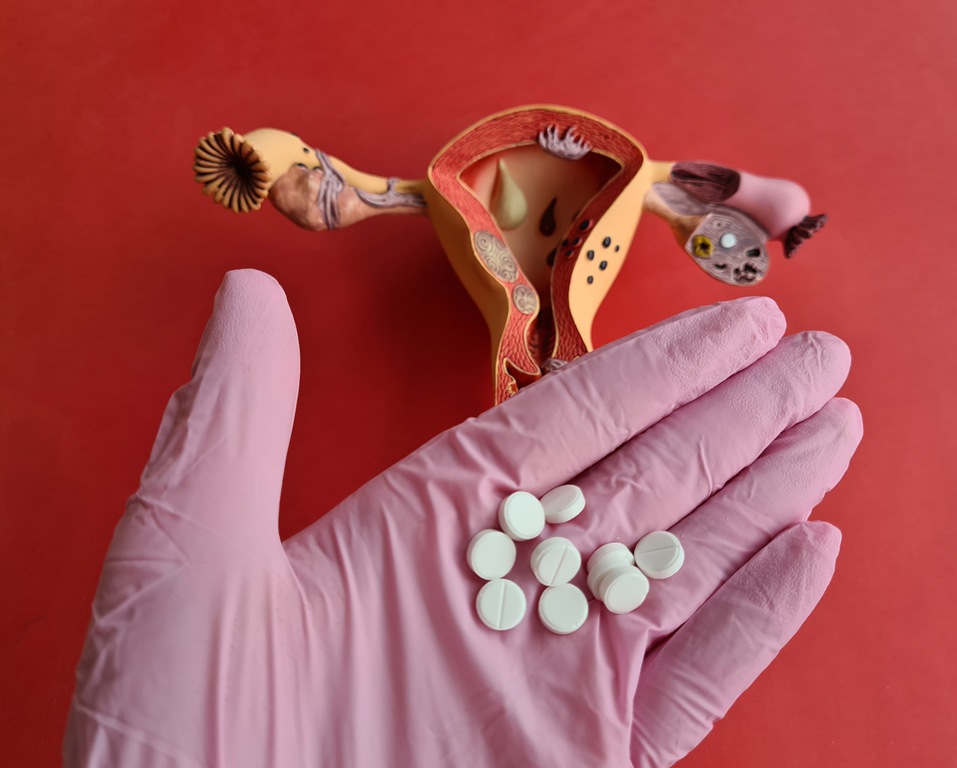
GSK said its ovarian cancer drug shrank or cleared tumours in more than 60 per cent of patients in an early trial as CCO Luke Miels pushes faster development.
The company said that in an early-stage trial, Mocertatug Rezetecan, known as Mo-Rez, shrank or eliminated tumours in 62 per cent of patients with ovarian cancer after chemotherapy had failed, and in 67 per cent of those with endometrial cancer.
Hesham Abdullah, GSK’s global head of cancer research and development, said: “Treatment of gynaecological cancers remains a major challenge, with a pressing need for new therapies that offer improved response rates.
“With Mo-Rez we now have compelling evidence of a promising clinical profile.”
GSK acquired the Mo-Rez treatment, an antibody-drug conjugate, from China’s Hansoh Pharma in late 2023 and has trialled it in 224 patients around the world, including the UK, over the past year.
Only a few patients needed to stop treatment because of side effects, the most common being nausea.
It is given every three weeks by intravenous infusion, meaning directly into a vein.
Combined with data from a separate intermediate trial in China, the results have given the British drugmaker the confidence to go straight to late-stage trials, with five clinical studies planned globally in the next few months, including on patients in the UK.
Speaking to journalists before the conference, Abdullah described Mo-Rez as a “key asset” in the company’s growing cancer portfolio.
It is expected to be a blockbuster drug, with peak annual sales of more than £2bn, which GSK hopes will help it achieve its 2031 sales target of £40bn.
A few years ago GSK did not have any cancer drugs on the market, but it now has four approved medicines and 13 in clinical development.
Last year, oncology generated nearly £2bn in sales, up 43 per cent from 2024, with sales of its endometrial cancer drug Jemperli rising 89 per cent.

Self-employment is linked to lower rates of high blood pressure, obesity, diabetes, poor health and binge drinking in Hispanic women, research suggests.
The findings, published in the peer-reviewed journal Ethnicity & Disease, suggest work structure may be related to cardiovascular disease risk among this group.

Dr Kimberly Narain is assistant professor of medicine in the division of general internal medicine and health services research at the David Geffen School of Medicine at UCLA, senior author of the study, and director of health services and health optimisation research for the Iris Cantor-UCLA Women’s Health Center.
She said: “Hispanic women experience a disproportionate burden of heart disease compared to non-Hispanic women. This is the first study to link the structure of work with risks for heart disease among this group of women.”
The researchers examined 2003 to 2022 data from the Behavioral Risk Factor Surveillance System to assess the association between self-employment, cardiovascular disease risk factors and health outcomes for Hispanic women.
The data included 165,600 Hispanic working women. Of those, about 21,000, or 13 per cent, were self-employed rather than working for wages or a salary.
Overall, the researchers found that self-employed women were less likely to report cardiovascular-disease-associated health problems.
They were also about 11 per cent more likely to report exercising compared with their non-self-employed counterparts.
Specifically, they found that self-employed Hispanic women had a 1.7 percentage point lower chance of reporting diabetes, roughly a 23 per cent decline.
They also had a 3.3 percentage point lower chance of reporting hypertension, roughly a 17 per cent decline.
The study also found a 5.9 percentage point lower chance of reporting obesity, roughly a 15 per cent decline.
It found a 2.0 percentage point lower chance of reporting binge drinking, roughly a 2 per cent decline.
It also found a 2.5 percentage point lower chance of reporting poor or fair overall health, roughly a 13 per cent decline.
The relationship between heart disease risks and the structure of work among Hispanic women was not driven by access to healthcare or differences in income, Narain said.
In fact, the decrease in high blood pressure linked to self-employment was nearly as large as the decrease in high blood pressure linked to being in the highest income group.
The study has some limitations.
The researchers relied on self-reported outcomes, which might be less reliable among ethnic and racial minorities and those from a lower socioeconomic background.
In addition, the researchers’ definition of poor mental health does not entirely match the accepted definition in the fifth edition of the Diagnostic and Statistical Manual of Mental Disorders.
They also did not have data allowing them to examine the specific types of occupations held by the women.
The study design also cannot prove any causal relationship between self-employment and cardiovascular disease risk, which is a subject the researchers will explore.
“The next step in the research is to conduct studies that are able to better assess if the structure of work is a cause of higher heart disease risks among Hispanic women.”
Narain said this.
Study co-authors are Lisette Collins, who led the research, and Dr Frederick Ferguson of UCLA.
Grants from the Iris Cantor-UCLA Women’s Health Center-Leichtman-Levine-TEM program and the UCLA National Clinician Scholars Program supported the research.











 Entrepreneur4 weeks ago
Three sessions that show exactly where women’s health is heading in 2026

 Entrepreneur4 days ago
Future Fertility raises Series A financing to scale AI tools redefining fertility care worldwide

 Pregnancy4 weeks ago
How NIPT has evolved and what AI NIPT means in 2026

 News4 weeks ago
Two weeks left to make your mark in women’s cardiovascular health

 Opinion4 weeks ago
Q1 momentum: Female founders are advancing, but the system still hasn’t caught up
 Fertility2 weeks ago
Future Fertility partners with Japan’s leading IVF provider, Kato Ladies Clinic

 Mental health6 days ago
Lifting weights shows mental health and cognitive benefits in older women, study finds

 Menopause2 weeks ago
More research needed to understand link between brain fog and menopause, expert says