




Mental health
Women in business: meet the yoga teacher turned tech entrepreneur
We speak with Hazel Buckley, founder of the wellbeing app The Yoga Tree

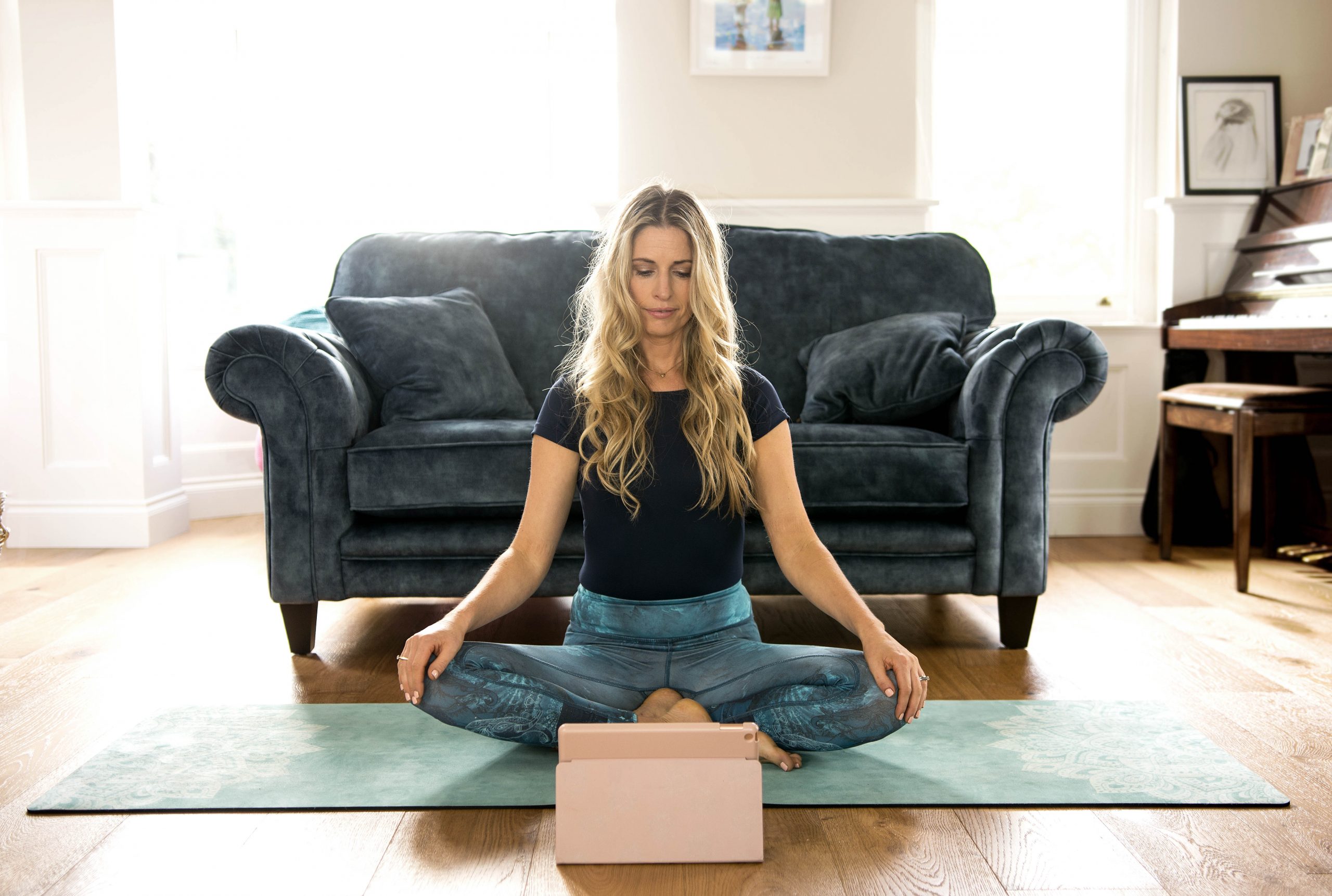
Hazel Buckley had been teaching yoga for over a decade when she decided to go digital. She tells us how she discovered a new sense of peace and purpose in life through yoga and why she decided to take her practice to the next level.
How did you get into yoga?
My mum was a reflexologist and she always had a big interest in well-being. She was very much into healthy eating and healthy living, so I became interested in yoga because it was around me since I was a kid.
I took my first class with her when I was 17 and I was absolutely hooked. I loved it.
How did you start teaching yoga?
I studied computer science at UCC in Cork, but it was always in the back of my mind that I wanted to become a yoga teacher.
After I graduated, I started working in tech and I moved to London for a new job. However, six days after I got there, I found out my mum was diagnosed with cancer and I moved back to Ireland.
Moving back home and losing my mum triggered something in me and made me realise that I really wanted to be a yoga teacher. So I went into my teacher training and I followed my passion.
How did your wellness app come about?
I always wanted to bring my yoga classes more online because I’d see people leaving the class so happy and content, but then they may not practice yoga again for a whole week.
We often feel that it has to be a long practice in order to get the full benefit, but that’s really not the case. Showing up on the mat regularly is more impactful than doing one big class once a week. It doesn’t have to be such a big, big task.
I wanted to encourage people to have a home practice and to start slowly bringing a little bit more yoga into their everyday life.
I started to upload videos on my YouTube channel and then during the pandemic, when people couldn’t go to a studio, I started my online memberships that grew into The Yoga Tree app that we launched a month ago.

How was the process of building the app?
Building an app is like building a house – however long you think it’s going to take, it’s going to take way longer than that, and however much you think is going to cost, it’s going to cost much more than that.
I wanted to create a space for people to feel good and tap into different tools and different techniques to help them feel their best and I was lucky I had a background in tech because it gave me the confidence I needed to talk to my app developers and communicate with them.
I built it from scratch because I really wanted to have more control over the look and feel of it and now it’s like my fourth baby now. I absolutely love it!
Wellness apps have grown in popularity since the start of the pandemic. What makes The Yoga Tree special?
The Yoga Tree is a wellbeing app and its main pillars are yoga, meditation, self-care and nutrition.
What makes it really unique is that we have a section called ‘bespoke wellness’ where you can personalise your experience depending on your wellbeing goals, yoga experience and nutrition goals.
Teaching yoga over the years, I’ve learned that everybody is unique and everybody’s body is unique. So that’s why in the app, we’ve got over 500 videos, all varying different intensities, different experience levels, different themes and different focuses.
The nutrition is a big part of it as well. I am mostly plant-based and I love to help people introduce a little bit more plant-based food into their diet.
We have recipes that can help them improve their diet with support from our nutritional therapists and every day, we have a different self-care tip to inspire them to bring a bit of positivity in their life.
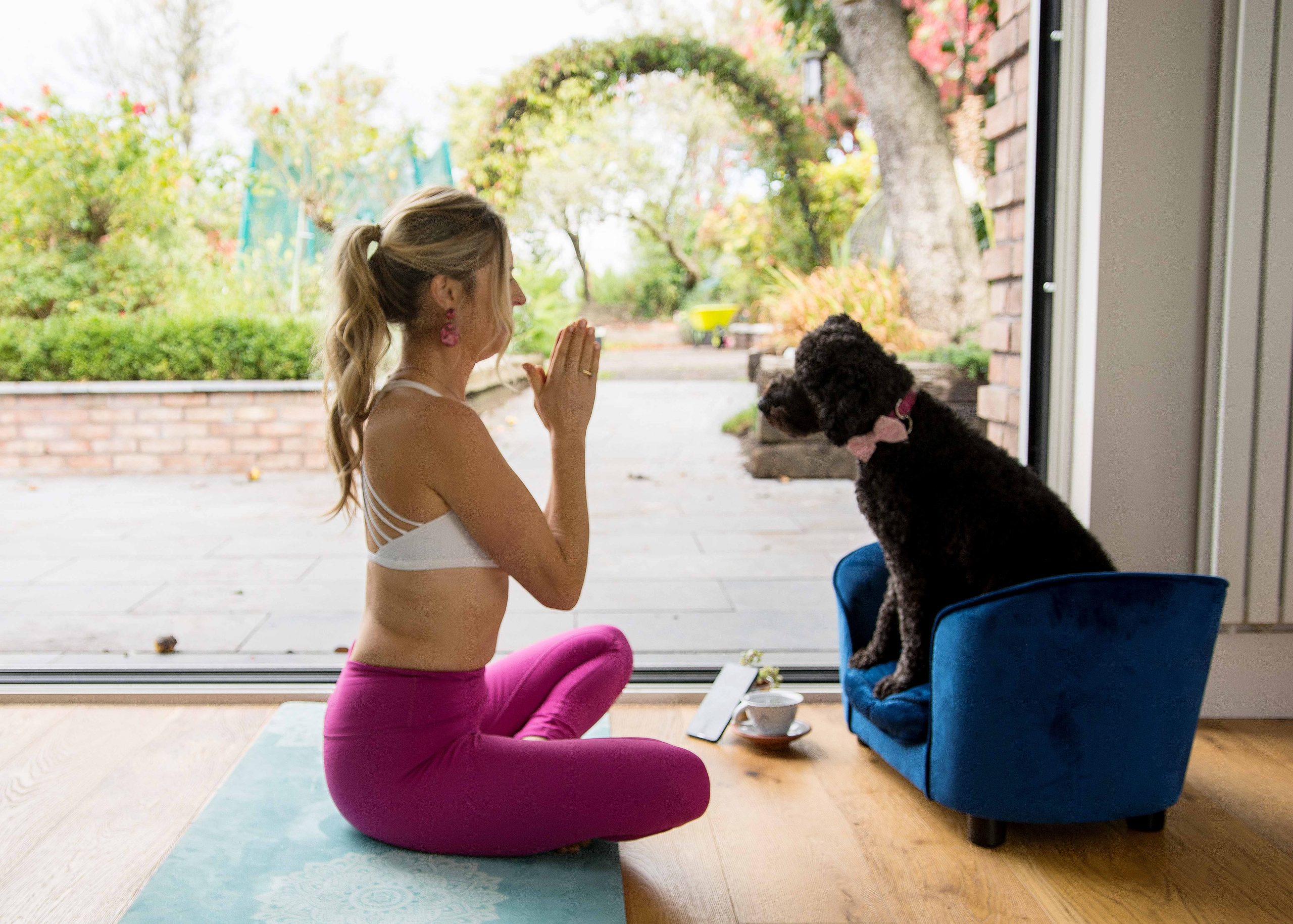
What feedback did you receive so far?
I have been blown away! The feedback has been really positive. A lot of people like the bespoke wellness section, because they can tap into what videos and practices are right for them.
Talking to my members and gathering feedback from them is extremely important to us because it helps us improve and tweak the app to create the best experience for them.
As we gather more data we plan on including more AI in the app. We can then offer suggested yoga videos, meditations and wellbeing practices according to our members’ behaviours.
What advice would you give to those who have never tried yoga before?
I think the most important thing is to listen to your body. Don’t push it too far, if it doesn’t feel right sit out the pose or take it back a step.
Yoga gives us a great opportunity to tap into how our body responds and how our body’s feeling. Through the practice of yoga we feel more grounded and more present.
I would say to people start off with short videos. Five minutes or maybe 15-minute videos, to keep the intensity low and see how you’re feeling.
Don’t be hard on yourself. The most important thing about yoga is being present and not whether you can touch your toes or not.
Over time, all that flexibility and strength comes. Enjoy the practice and be kind to yourself.
The Yoga Tree Community App is available now on App Store and Google Play.









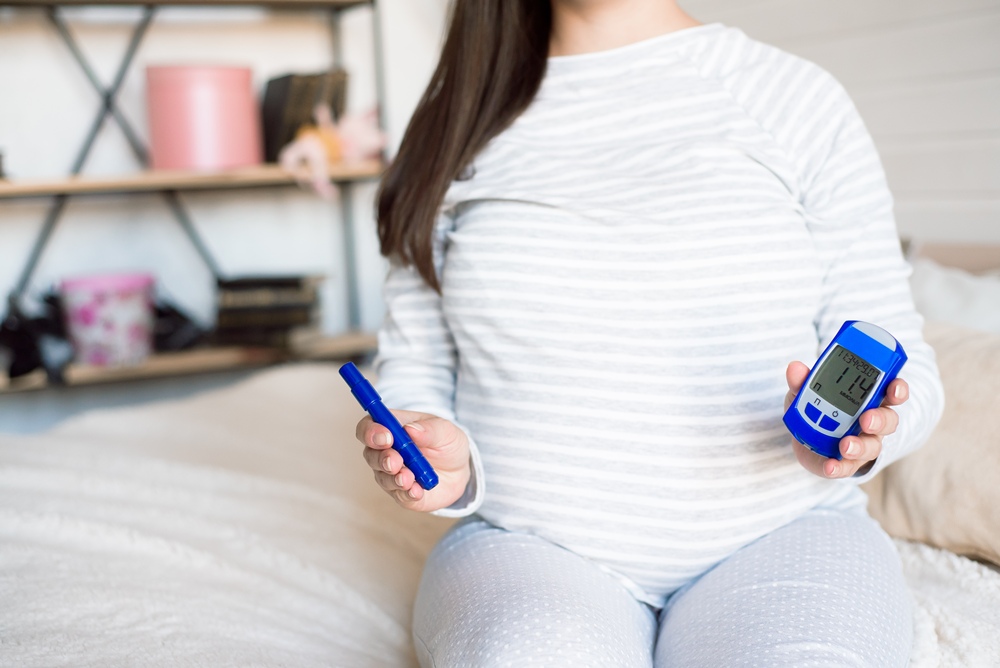
More than half of women with gestational diabetes report stigma from healthcare staff, family, friends and wider society, new research shows.
A survey of 1,800 UK women found widespread emotional distress at diagnosis of the condition, a form of high blood sugar that develops during pregnancy, with effects lasting beyond birth.
Gestational diabetes affects around one in 20 pregnancies in the UK, and the findings highlight the wider toll on women diagnosed with the condition.

The study was funded by Diabetes UK and led by researchers at King’s College London and University College Cork.
Dr Elizabeth Robertson, director of research and clinical at Diabetes UK, said: “Stigma can have a dangerous and devastating impact on pregnant women diagnosed with gestational diabetes, particularly at a time when emotions and anxieties may already be heightened.
“We know that stigma can lead to shame, isolation and poorer mental health, and may discourage people from attending healthcare appointments, potentially increasing the risk of serious complications.
“This research highlights the urgent need for better support systems, based on understanding and empathy to ensure no one feels blamed or judged during their pregnancy.”
More than two-thirds of women, 68 per cent, reported anxiety at diagnosis, while 58 per cent felt upset and 48 per cent experienced fear.
The psychological impact continued beyond birth, with 61 per cent saying the condition negatively affected their feelings about future pregnancies.
Nearly half of women, 49 per cent, felt judged for having gestational diabetes, while 47 per cent felt judged because of their body size.
More than 80 per cent felt other people did not understand gestational diabetes, and more than a third, 36 per cent, concealed their diagnosis from others.
Gestational diabetes stigma was also common in healthcare settings, with 48 per cent reporting that professionals made assumptions about their diet and exercise, and more than half, 52 per cent, feeling judged based on their blood glucose results.
Many women described a loss of control and a sense of disruption during pregnancy.
Nearly two-thirds, 64 per cent, felt they were denied a normal pregnancy, while 76 per cent reported a lack of control over their pregnancy.
More than a third, 36 per cent, felt abandoned by healthcare services after giving birth, and one in four, 25 per cent, continued to experience depression or anxiety postpartum.
Focus group participants described harmful stereotypes, including assumptions that they were ‘lazy’, had ‘poor eating habits’ or ‘lacked willpower’.
Comments from family and friends included remarks such as “should you be eating that?” and “you must have eaten too much, that’s why you have gestational diabetes.”
The researchers are calling for targeted interventions alongside structured emotional support for women during and after pregnancies affected by gestational diabetes, to improve both mental and physical health outcomes.
Professor Angus Forbes, lead researcher from King’s College London, said: “Stigma and emotional distress are far more common in women diagnosed with gestational diabetes than many realise.
“Everyday interactions, even with those who mean well, can deepen this harm, shaping women’s emotional wellbeing and the choices they feel able to make.
“It’s clear that meaningful action is needed to protect women’s mental and physical health.”
Risk factors for gestational diabetes include living with overweight or obesity, having a family history of type 2 diabetes, and being from a South Asian, Black or African Caribbean or Middle Eastern background.
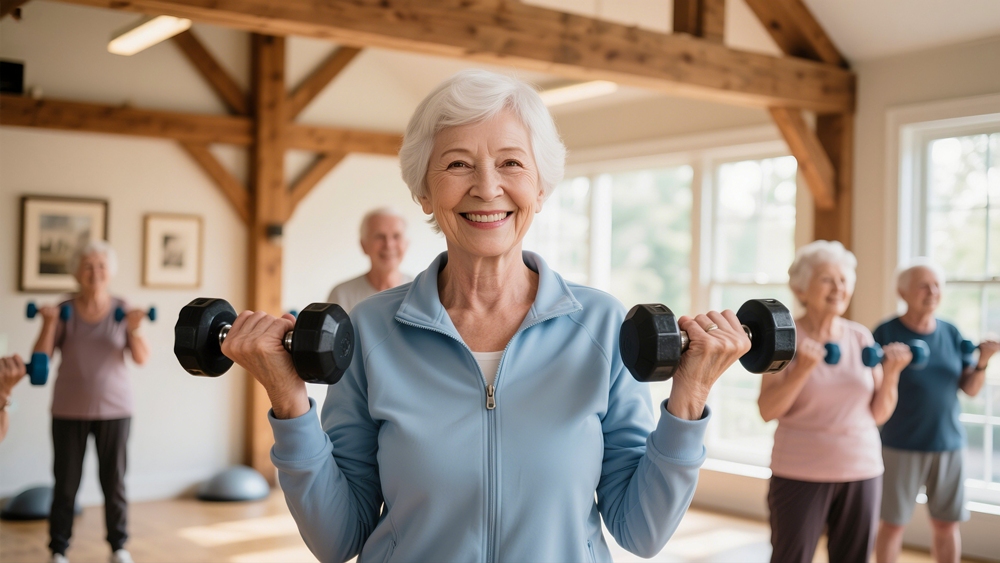
Weightlifting can improve memory and mental health in older women, whether they lift heavier or lighter weights, a clinical trial has found.
The study suggests structured exercise could offer a non-drug way to help protect the ageing mind.
As people age, physical abilities often decline and the risk of cognitive impairment rises.
Women can also face a higher risk of depression and anxiety later in life because of menopause, hormonal changes and shifting social factors.
Over time, poor mental health can speed up physical and cognitive decline.
Medical professionals often recommend cardiovascular and resistance training to help preserve physical independence.
Beyond building muscle and strength, lifting weights may also help protect the brain.
The research team recruited 120 women with an average age of 68 who were not taking part in any structured exercise programmes.
Before the intervention, independent cardiologists screened the volunteers using diagnostic stress tests to make sure they could take part safely.
The researchers then divided the women into three equal groups based on their baseline physical strength to ensure a balanced comparison.
The first group followed a resistance training programme using heavier weights for eight to 12 repetitions.
The second performed the same exercises using slightly lighter weights for 10 to 15 repetitions. The third acted as a control group and remained sedentary throughout the trial.
For three months, the active groups visited the university fitness facility three mornings a week.
Under the direct supervision of qualified fitness experts, participants completed three sets of eight different full-body exercises. These included weight machines and free weights, with movements such as chest presses, leg extensions, seated rows and bicep curls.
As the women grew stronger over the 12 weeks, supervisors progressively increased the weight they lifted.
This ensured participants stayed within their assigned repetition range while maintaining proper breathing and movement technique. Researchers also told all participants not to start any new exercise outside the laboratory setting.
The scientists carried out a broad set of cognitive and psychological tests before the programme began and again shortly after it ended.
They used the Montreal Cognitive Assessment to measure spatial skills, short-term memory and language processing.
The team also used several standardised surveys to track symptoms of geriatric depression and general anxiety.
Other tests assessed executive function, the mental processes involved in planning, focusing attention and multitasking.
In the Trail Making Test, the women had to connect a scattered sequence of numbers and letters as quickly as possible to assess cognitive flexibility.
In another verbal test, they had to name as many words beginning with the letter F, or as many animals as possible, within 60 seconds.
The researchers also used a computerised Stroop test to assess inhibitory control. In this visual test, the women saw words such as “red” or “black” displayed in conflicting ink colours, such as green.
They had to suppress the automatic urge to read the word and instead press a button matching the ink colour.
After the three-month intervention, both groups of weightlifters showed clear improvements in their test scores.
Their performance on the overall cognitive assessment rose, and their reaction times in executive function tests fell substantially.
The control group showed no such improvements, and in some categories their mental performance worsened slightly.
The structured exercise also reduced the severity of mood disorders among the active participants.
Scores for depressive symptoms fell by roughly 34 per cent in the lower repetition group and 24 per cent in the higher repetition group. Anxiety scores fell by more than 40 per cent in both groups.
The researchers said these improvements met the threshold for a clinically meaningful difference.
In practical terms, that means the psychological benefits were large enough for the women to notice in their daily emotional state.
The trial found no major differences in outcomes between the two repetition strategies, suggesting both intensities worked equally well against cognitive decline.
The study has several caveats that may shape future research into the neurological benefits of structured exercise.
The testing relied heavily on self-reported psychological surveys, which can be affected by subjective bias or temporary changes in mood.
The team also did not closely track differences in the women’s light daily physical activity outside the gym.
The researchers also said the social structure of the fitness programme may have contributed to the emotional benefits.
For 12 weeks, the active participants exercised in a shared, supportive environment, with regular contact with peers and supervisors.
This kind of consistent social interaction can help reduce loneliness and provide psychological relief.
Future trials will need to isolate whether different exercise durations or extra social interaction change these positive neural effects.
Even so, the results suggest resistance training could offer an accessible way to help treat mild cognitive and mood problems.
Regular weightlifting may benefit the mind as well as the muscles in older adults.
Wellness
Poor mental health, poverty and pollution significantly raise women’s heart failure risk – study














 Entrepreneur3 weeks ago
Three sessions that show exactly where women’s health is heading in 2026

 Pregnancy3 weeks ago
How NIPT has evolved and what AI NIPT means in 2026

 Menopause4 weeks ago
Watchdog bans five ads for women’s heath claims

 Entrepreneur4 weeks ago
WHIS USA 2026 announces first ticket release for landmark Women’s Health Innovation Summit

 Mental health4 weeks ago
Menopause has no lasting impact on cognition, research finds

 News3 weeks ago
Two weeks left to make your mark in women’s cardiovascular health

 Opinion3 weeks ago
Q1 momentum: Female founders are advancing, but the system still hasn’t caught up

 News4 weeks ago
Endometriosis firm wins NIH prize
Pingback: California start-up raises US$20m to invest in behavioural science platform - FemTech World