




News
Scientists develop blood test for early-stage ovarian cancer
Patients have a more than 90 per cent chance of living for five years or more when ovarian cancer is found in its initial stages

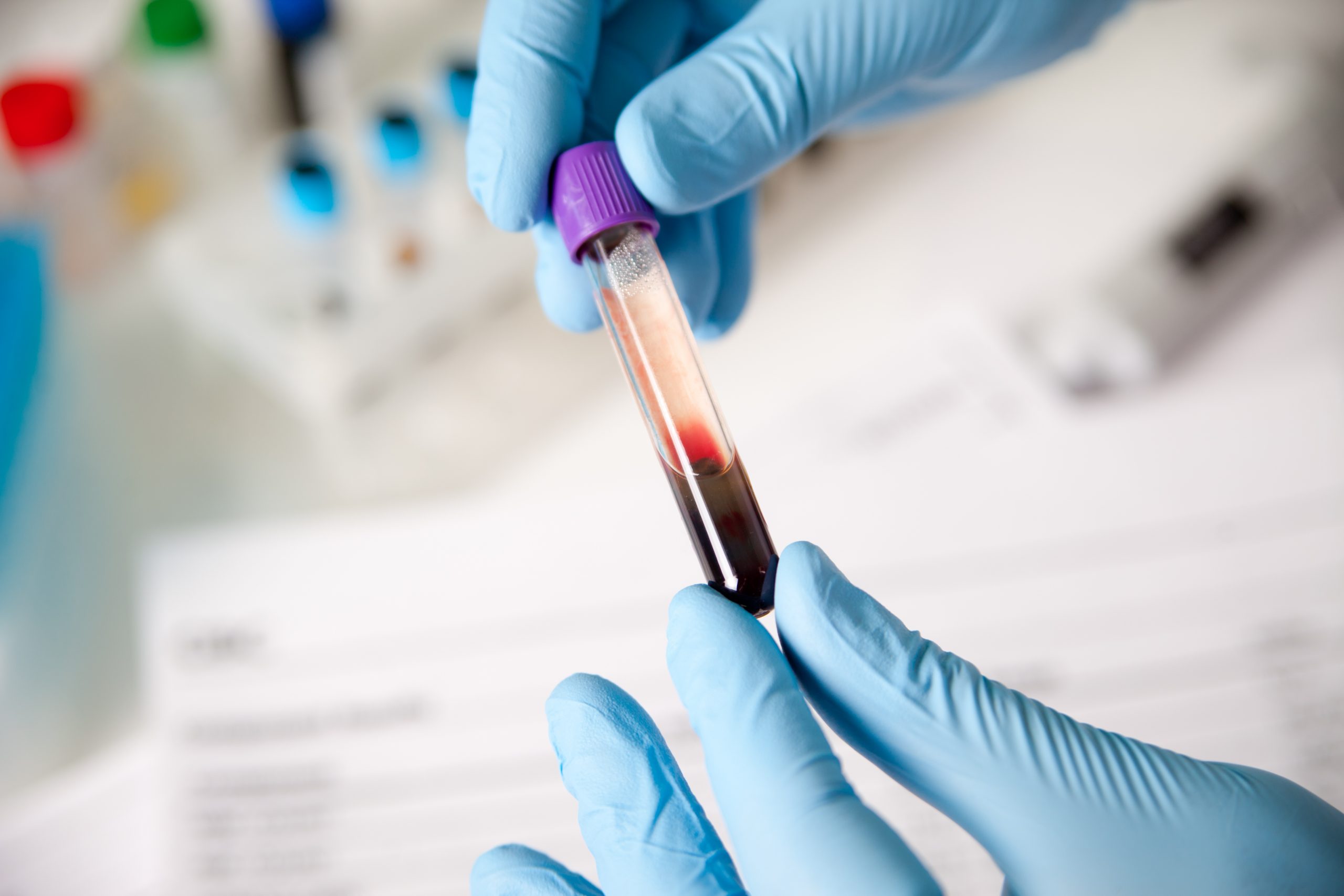
A new blood test could detect ovarian cancer early, with up to 91 per cent accuracy, researchers have found.
The study, led by researchers at USC Norris Comprehensive Cancer Center and published in the journal Clinical Cancer Research, has shown that the blood test may distinguish between cancerous and benign pelvic masses with up to 91 per cent accuracy, surpassing other commercially available tests.
High-grade serous ovarian carcinoma (HGSOC) is the most common type of ovarian cancer. It is also the most lethal form, in part because clinicians do not have effective ways to screen women for it during the cancer’s early stages, when it’s easiest to treat.
For patients with a pelvic mass, an abnormal lump or growth in the lower abdomen, it is difficult to detect whether the growth is benign or cancerous ahead of surgery.
Unlike many other cancers, biopsies are typically not an option. That makes it hard for doctors to choose the best course of treatment.
“This new test has the potential to improve treatment, because the surgical approach to removing a pelvic mass differs depending on whether it’s benign or not,” explained Bodour Salhia, co-leader of the epigenetics research in cancer programme at USC Norris Comprehensive Cancer Center and the study’s corresponding author.
“Right now, doctors essentially have to take their best guess.”
Lynda Diane Roman, an associate professor of obstetrics and gynaecology, division chief of gynaecologic oncology at the Keck School of Medicine and a co-author of the study, said knowing more about the mass before surgery could point to which type of surgeon and which method of surgery is best for the patient.
In addition, researchers will also investigate whether the new test, known as OvaPrint, could be used as a screening tool in the general population to detect early-stage ovarian cancer in asymptomatic women.
When ovarian cancer is found in its initial stages, patients have a more than 90 per cent chance of living for five years or more. Their chances drop to less than 40 per cent if the cancer is detected in advanced stages.
Salhia said: “Early detection saves lives. If we can accurately identify early-stage ovarian cancer, we can change the outcome of the disease and really crank up survival rates.”
Bringing OvaPrint to patients
The researchers are launching a follow-up study to validate their results in hundreds of patients.
If the follow-up study results validate the efficacy of the test, they plan to release a commercially viable version of the test for clinical use within two years.
Th team is also exploring whether OvaPrint can be modified to detect other subtypes of ovarian cancer. Ultimately, their aim, they said, is to optimise the test so it can be used for broad population screening.






















 Opinion4 weeks ago
What Maternal Mental Health Month reveals about where postpartum support actually breaks down

 Insight3 weeks ago
NIH Grant terminations disproportionately impact minority scientists, research finds

 Menopause5 days ago
Perimenopause misinformation ‘putting women at risk’

 Adolescent health3 weeks ago
WUKA brings Period-Positive Pool Party to London Aquatics Centre to keep girls swimming through puberty

 Hormonal health3 weeks ago
PCOS renamed after decade-long campaign to end ‘cyst’ misconception

 Events4 weeks ago
WHIS 2026 unveils agenda and first speakers for the leading women’s health summit

 Menopause3 weeks ago
CBT shows promise for menopause insomnia and hot flashes

 Insight4 weeks ago
Online abuse and deepfakes ‘pushing women out of public life’