




Hormonal health
Clinic becomes first telemedicine abortion provider to accept insurance
Hey Jane aims to partner with abortion funds to support those unable to use insurance

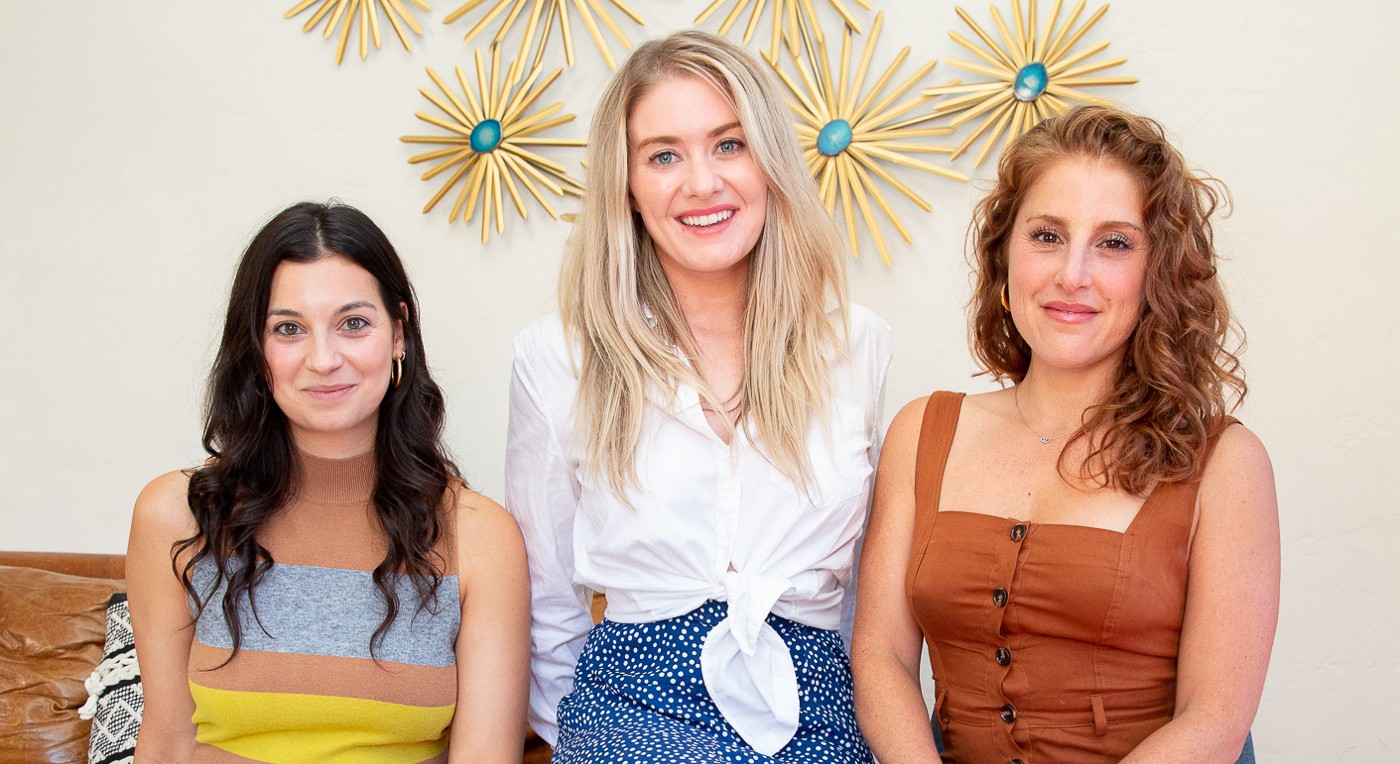
The virtual clinic Hey Jane has become the first telemedicine abortion provider to accept insurance, marking a “huge step” towards expanding access to care.
With the launch of multiple insurance providers, Hey Jane says it is working to expand coverage further to support the more than half of abortion patients who said having to raise funds delayed their care.
“Since launch, we’ve helped more than 25,000 patients get the care they need,” said Gaby Santana, chief revenue officer at Hey Jane.
“But we also know there’s a lot more to be done to truly expand access. When you look at the sweeping restrictions in our post-Roe world, it’s become evident that patients need as many choices as possible, and affordability is paramount.
“Hey Jane is actively working to expand the capacity of the entire abortion ecosystem and insurance is just the beginning.”
Medication abortion via mail is one of most viable forms of access for most of the country in the post-Roe world.
In January, the US Justice Department said the US Postal Service (USPS) can continue to deliver prescription abortion medication despite a June 2022 Supreme Court ruling that overturned a landmark abortion rights decision.
The department’s Office of Legal Counsel said in an opinion sought by USPS that the mailing of mifepristone and misoprostol, commonly used to terminate pregnancies, did not violate an 1873 law known as the Comstock Act.
Hey Jane, which offers both mifepristone and misoprostol, says it aims to provide its care model to as many people as possible through insurance partnerships with companies like Sana Benefits.
Will Young, co-founder and CEO of Sana Benefits, said: “Sana’s mission is to make quality health care understandable, accessible and affordable.
“In abortion care, as in so many other areas of health care, we believe expanding telehealth’s role is a huge lever for achieving all three of those arms.”
Hey Jane says it is committed to making abortion more financially accessible beyond insurance. The telemedicine clinic aims to partner with abortion funds across the country for those who are unable to use insurance or are required to travel for care, and has also begun the application process for Medicaid in the states in which it operates.
Kiki Freedman, co-founder and CEO of Hey Jane, said: “We stand firm in our belief that abortion care should be available to everyone.
“We won’t stop doing everything we can to make sure patients can get the care they need, when they need it.”




Simultaneous exposure to toxic chemicals and climate-related heat may be worsening fertility harms across humans and wildlife, research suggests.
The review of scientific literature looks at how endocrine-disrupting chemicals, often found in plastic, together with climate-related effects such as heat stress, are each linked to lower fertility and fecundity, meaning the ability to reproduce, across species including humans, wildlife and invertebrates.

Though the reproductive harms of each issue in isolation are well studied, there is little research on what happens when living organisms are exposed to both.
“Together, the two issues are likely to pose a greater threat to fertility, and the additive effect is “alarming”, said Susanne Brander, a study lead author and courtesy faculty at Oregon State University.
“You’re not just getting exposed to one, but two, stressors at the same time that both may affect your fertility, and in turn the overall impact is going to be a bit worse,” Brander said.
The paper looked at 177 studies.
Shanna Swan, a co-author on the new paper, co-produced a 2017 study that found sperm levels among men in western countries had fallen by more than 50 per cent over four decades. Other research has suggested human fertility has been declining at a similar rate.
The University of Washington’s Institute for Health Metrics and Evaluation has previously said the world was approaching a “low-fertility future”, with more than three quarters of countries below replacement rate by 2050.
The new paper’s authors focused on the effects of endocrine-disrupting chemicals and substances, including microplastics, bisphenol, phthalates and PFAS.
These are thought to cause a range of serious reproductive problems, disrupt hormones and be a potential driver of falling fertility.
Brander said the harms linked to these chemicals are often similar across organisms, from invertebrates to humans.
Phthalates, for example, have been linked to altered sperm shape in invertebrates, spermatogenesis in rodents, meaning sperm production, and reduced sperm counts in humans.
PFAS are also thought to affect sperm quality, and both have been linked to hormone disruption.
The chemicals are widespread in consumer goods, so people are often regularly exposed.
Meanwhile, previous research has shown how rising temperatures, lower oxygen levels and heat stress, among other effects linked to climate change, may also worsen infertility.
Heat stress has been found to affect human hormones, and is linked to spermatogenesis in rodents and bulls.
Research shows temperature also plays a role in sex determination in fish, reptiles and amphibians.
The species has evolved to choose which sex it produces in part based on temperature, and the heating planet can “push it too far in one direction or the other, which overrides that evolutionary benefit”, Brander said.
Similarly, many endocrine disruptors may alter environmental sex determination.
The study set out some of the overlapping effects of chemical exposure and climate change across taxonomic groups, from invertebrates to humans.
In birds, for example, exposure to increased temperature, PFAS, organochlorines and pyrethroids may each individually cause abnormal sperm, increased fledgling mortality, abnormal testes and population decline.
“What happens if they’re exposed to more than one of those stressors at the same time? There has been little exploration of that question.
“Even if there have not been a lot of studies looking at these simultaneously, if you have two different factors that both cause the same adverse effect, then there’s a likelihood that they are going to be additive,” Brander said.
Katie Pelch, a senior scientist with the Natural Resources Defense Council nonprofit, who was not part of the study, said the authors had reviewed high-quality science.
She said she wanted to see more examples of the overlap in impacts, but agreed with the overall premise.
“It is likely [multiple stressors] would have an additive effect, at very least, even if they have different mechanisms of harm,” Pelch added.
The solution to the systemic problems would involve tackling climate change and reducing the use of toxic chemicals.
The study cites the global reduction in the use of DDT and PCBs achieved under the Stockholm Convention as an example of an effective measure, but Brander said much more is needed.
“There is enough evidence in both areas to act to reduce our impact on the planet,” she said.













 Entrepreneur6 days ago
Future Fertility raises Series A financing to scale AI tools redefining fertility care worldwide

 Entrepreneur4 weeks ago
Three sessions that show exactly where women’s health is heading in 2026

 Pregnancy4 weeks ago
How NIPT has evolved and what AI NIPT means in 2026

 News4 weeks ago
Two weeks left to make your mark in women’s cardiovascular health

 Opinion4 weeks ago
Q1 momentum: Female founders are advancing, but the system still hasn’t caught up
 Fertility2 weeks ago
Future Fertility partners with Japan’s leading IVF provider, Kato Ladies Clinic

 Mental health1 week ago
Lifting weights shows mental health and cognitive benefits in older women, study finds

 Mental health2 weeks ago
More research needed to understand link between brain fog and menopause, expert says
Pingback: US virtual abortion clinic to launch new reproductive health services - FemTech World