




When you first start to learn about adult ADHD, many things blow your mind: from the complexity of the neurodevelopmental disorder, to how misunderstood it is by both mental health professionals as well as the general population, to how much less options of support it faces when compared to child ADHD.
One of the things that strike the most though is the heightened struggle that adult women with ADHD face.
Truly, it all starts with a chronic misdiagnosis. A plethora of publications have addressed this topic over the years – from academic research to magazine articles and even books.
To sum up their insights, the misdiagnosis stems from a mix of tangible differences in the way ADHD presents itself in women versus men, and biases in the way women’s behaviours are often interpreted.

Indeed, ADHD in women often materialises in what one may call “softer” ways than in men. For example, inattention is a more frequent symptom than hyperactivity in women with ADHD. As a result, such inattention is often belittled as “daydreaming”, while a man’s physical hyperactivity is more comfortably seen as a sign of a potential disorder.
This manifestation of ADHD in women goes along with other symptoms that are more frequent in women with ADHD than men, such as emotional dysregulation or sensory processing disorders.
Those challenges are then often viewed as “common feminine vulnerabilities” instead of signs of ADHD, because of their higher prominence specifically among women with ADHD.
In parallel to the particularity of ADHD symptoms in women, societal gender biases further deepen the diagnostic gap compared to men with ADHD.
As we as women still evolve in a society that holds somewhat outdated gender-based expectations of us, symptoms are often neglected because of gender biases. For instance, emotional regulation difficulties in women with ADHD are often interpreted as hypersensitivity instead of being correlated to a potential neurodevelopmental disorder diagnosis.
Often, anxiety and depression are diagnosed instead of ADHD because it is more easily expected of a woman to suffer from those disorders than to have ADHD.
These biases, in addition to being offensive, misplaced and truly ludicrous, lead to a large community of women with ADHD across the globe who are failed by a care system that does not diagnose them properly nor supports them appropriately.
An additional aspect that comes from societal bias but is actually materialised by women ourselves is our tendency to try and mask our challenges in a reflex of trying to please and fit the box we’re aimed to fit into. This further perpetuates the misdiagnosis loops, and the weakened care.
Still though, I believe we should argue for a heightened awareness of the uniqueness of ADHD in women among the mental health professionals community so as to ensure that the qualified care experts lead the way in ending the misdiagnosis and mistreatment cycles.
Lifting the mask, identifying a lingering ADHD diagnosis that sits behind a later developed anxiety or depression should be the responsibility of trained professionals who should see beyond societal expectations and into the realities faced by women with ADHD.
In the meantime, women with ADHD are in a significantly more dire situation than they should be, as this impacts ADHD women’s access to appropriate care.
Research and practice point today to behavioural intervention as one of the most effective ways to support women with ADHD, in addition to it being all natural and risk-free.
This behavioural care, both individual and through support groups, is paramount not only to provide individualised assistance but also to build confidence among women with ADHD.
Several health tech companies now enter this area to try and provide such support, leading the way of acknowledging woman ADHD and making it as understood and attended to as man ADHD, or child ADHD.
While this is most certainly encouraging, there is still a long road ahead before we reach equal understanding and consideration of woman ADHD.
Throughout this journey, it is – I believe – our responsibility – not only as women but as general members of society – to make sure awareness of the uniqueness of ADHD in women becomes mainstream, and access to appropriate care doesn’t cease to improve.
In doing so, we have the opportunity to increase the relevance of knowing that each person’s journey with ADHD is unique, and most importantly valid in its uniqueness.
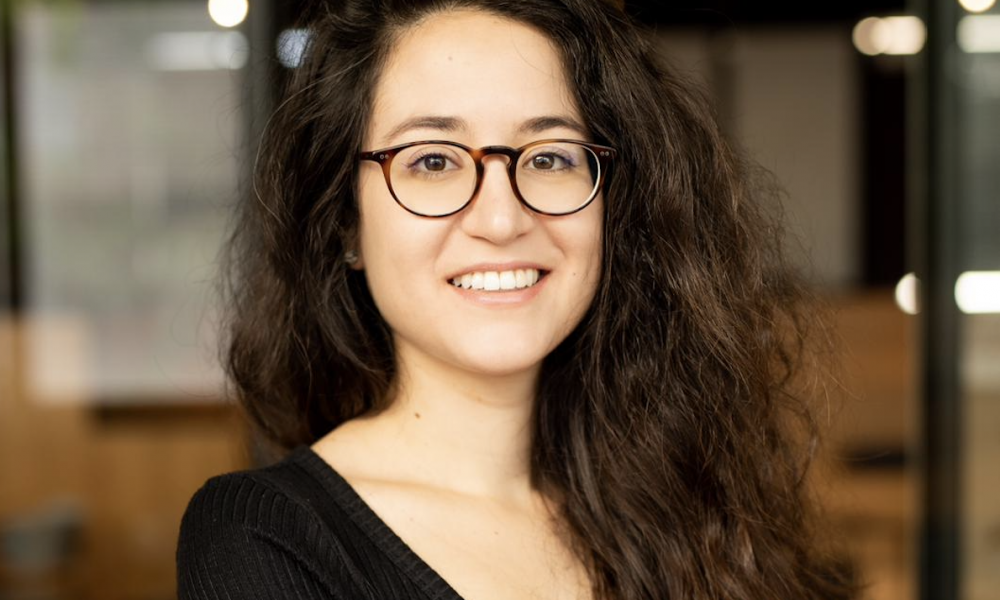
Eve Mamane is a marketing executive and co-founder and CRO at the virtual clinic for adults with ADHD Agave Health.

Newsletter
Sign up for free weekly updates
The latest femtech news, research and investment, straight to your inbox.




