




I am glad we are seeing the tide change, but I am saddened to think about how many more examples of tribunal cases around menopause we will see in the coming years.
You may have seen the tribunal cases around menopause in the news recently?
There has been the case of Maria Rooney, a former social worker who launched legal action against her former employer claiming the company discriminated against her when she experienced menopause symptoms. And then the case of Karen Farquharson who was dismissed after her boss said that she used the menopause as an “excuse for everything” when she arrived late for work.
Anyone who has watched a loved one struggle their way through sleep disruption, brain fog, hot flushes, anxiety, depression, the crippling lack of confidence menopause brings, or indeed, any of the other symptoms experienced during this major transition will wonder how such attitudes exist.

I am glad we are seeing the tide change and are realising this discrimination is wrong, but I am saddened to think about how many more examples we will see in the coming months or years.

Dr Bev Taylor, psychologist and menopause educator
It seems we are at a pinnacle point with menopause. We are starting to be heard, we are starting to push back against discrimination, the medical profession is starting to take notice, we are seeing a rise in start-ups and femtech companies developing technology to support us and we are seeing some progress.
Yet much of what I see and hear is still centred around fighting. Fighting for treatments, fighting for our place at work, fighting to be heard and to get our needs met.
This means many still hide their symptoms at work, they stay quiet when they really want to talk and shy away. The fight and the drama just feels too much. The psychological vigilance in keeping this locked up is immense.
It means we don’t have much bandwidth for complex work debates or tasks, it makes our menopause symptoms worse, it makes us shrink back and psychologically withdraw from work or leave.
I wonder if there is a different way, a way in which we can change the dialogue around this from adversarial to one of support and understanding, much like we have seen in mental health in recent years. After all, menopause is a time where issues around mental health crop up, so there is a parity there.
Going through the menopause is a biological process. It is driven by the shift in hormones as women move out of their reproductive years… it’s pretty much puberty in reverse.
Just as puberty comes with numerous changes and challenges, so does menopause. Both are natural life transitions, but one is seen in a more positive or neutral light, like a rite of passage to becoming an adult, and one is seen in a negative light and is associated with endings and ageing.
But we can change this, we can flip the way we think about menopause to make it more positive, to be about renewal and new beginnings, just like we do when we think of puberty.
When we can create workplaces that are psychologically safe, places that support us during menopause, we are doing just that. We are also supporting a vast proportion of our workforce to stay in work, to stay engaged, and to thrive during this massive life transition.
What if, when we have woken up several times in the night so hot and sweaty from a night sweat, we are safe in the knowledge that we can start a bit later tomorrow? Instead of launching into panic and worrying about what’s ahead (and not sleeping), we drift off and wake up much more ready to take on the day.
What if, when we are perimenopausal and get our period unexpectedly (which happens as periods become more sporadic due to changing hormones) we can get sanitary supplies from the work toilets, no drama, no questions asked? We feel much more in control and able to cope instead of running out in a panic to get supplies, hoping we are not showing through our pants.
What if, when we get a hot flush in a meeting, our colleagues are aware of menopause and turn down the temperature control in the room and give us the time we need to gather ourselves, with no judgement of what is happening. We feel so much calmer and able to ‘stay in the room’ instead of spiraling down the worry cycle.
What if, we were able to be open about what was going on for us, with no judgement, no worries about whether people will think we are incompetent or can’t do our jobs, just understanding and a response of ‘what do you need’. We are able to be open and honest and get the support we need to thrive.
Now that’s the kind of world I want to be part of.
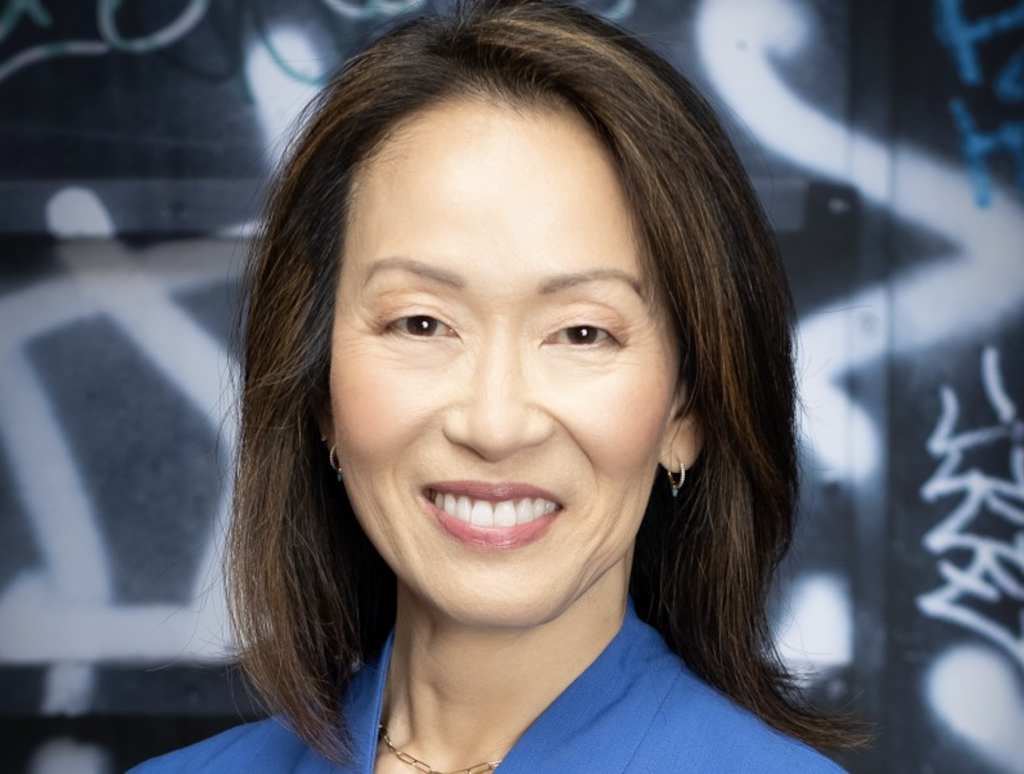
Dr Bev Taylor is a psychologist and menopause educator. If you would like know more about creating a psychologically safe workplace or how to support employees with menopause at work, contact her at linkedin.com/in/drbevtaylormenopause/.

Newsletter
Sign up for free weekly updates
The latest femtech news, research and investment, straight to your inbox.




