




News
Tech and Trust: How AI is Personalising Postpartum Care Experiences


The weeks following childbirth bring about profound emotional, physical, and psychological shifts. For many women, navigating this period can feel isolating or overwhelming. An NCBI study says that many women can also feel depressed and experience symptoms like insomnia, constantly feeling down, low self-esteem, etc.
As conversations around maternal health become more open, digital tools have emerged as quiet but powerful companions. Artificial intelligence (AI) is now being used to tailor postpartum care in ways that weren’t possible just a few years ago. In this article, we will explore some ways in which AI can personalise postpartum care experiences.
How AI is Showing Up in Maternal Health
AI in postpartum care shows up in ways both visible and subtle. Some apps use AI-powered chat interfaces that check in with users regularly, asking how they’re sleeping, eating, and coping emotionally. Others monitor physical metrics via connected devices, providing feedback on patterns that may affect energy, mood, or physical recovery.
What makes AI appealing in this context is its ability to adjust based on user input. A new mother struggling with postpartum anxiety may receive different suggestions than one dealing with physical discomfort or sleep deprivation.
A study found that integrating AI tools like ChatGPT can generate therapeutic dialogues. It offers empathetic responses and even assists in offering guidance on how to cope with mental health problems.
Over time, these systems learn user preferences and habits, making the support feel more personal. However, the closer AI gets to the individual experience, the more critical it becomes to handle the data behind that personalisation.
Can AI be trained to understand cultural differences in postpartum traditions and care expectations?
Yes, AI can be trained using diverse data sets to recognise and respect cultural differences in postpartum care. For example, it can adjust suggestions based on dietary customs, rest periods, or family roles. However, its effectiveness depends on how inclusive and representative the training data actually is.
Building Safer Spaces
Most AI-based postpartum care platforms require users to share deeply personal information. With data like this, the integrity of the platform matters as much as the technology behind it.
Many cybercriminals access health data to ask for hefty ransoms from healthcare providers and software developers.
One such example has been the Synnovis ransomware attack in London. This attack affected seven websites and services. Similarly, the US Department of Health and Human Services reported that a hacking incident on Onsite Mammography affected 357,265 individuals. This reflects the growing need to protect sensitive patient data.
To strengthen user trust, some health tech companies are borrowing practices from industries like finance. A notable example is the use of KYC identity verification. According to AU10TIX, this process can help verify a customer’s digital and physical identity. This ensures that only genuine customers become a part of the application, minimising the chances of fraud and identity theft.
The use of KYC identity verification is a move toward safer digital environments, particularly in apps that allow peer-to-peer support or professional consultations. Introducing such verification isn’t just about security; it also builds confidence. When users feel the platform takes their safety seriously, they’re more likely to engage openly and share accurately.
How does KYC identity verification impact user experience in health platforms that offer anonymity as a feature?
KYC identity verification can be balanced with anonymity by confirming a user’s real identity during sign-up while allowing for pseudonymous profiles. This ensures accountability and safety without compromising privacy. It’s especially useful for sensitive discussions, peer support groups, or professional consultations.
The Shift Toward Personalised Support
One of AI’s greatest strengths is its ability to adapt. As stated in an IBM article, personalisation works through a combination of machine learning, natural language processing, and other AI algorithms.
The process starts by collecting user data to find behavioural patterns. This helps the system understand user behaviour, preferences, interactions, and more. Based on this information, AI can personalise anything, from support to user journeys.
In postpartum care, this means recognising the unique experiences of different mothers and responding accordingly. For example, a woman with a history of postpartum depression may receive more prompts or early referrals to virtual therapy services. Another recovering from a C-section might get specific recovery reminders and pain-tracking tools.
Instead of waiting for symptoms to escalate, AI can gently flag patterns that indicate a mother might be struggling. This can be done based on changes in language use, slower response times, or sleep irregularities. In these moments, the platform can suggest small but important actions, like pausing to rest or checking in with a care provider.
What kind of data does AI use to personalise postpartum care, and how is that data collected?
AI systems typically gather data from user interactions, wearable devices, input logs, voice tone analysis, and activity patterns. This data is collected through consent-driven apps and tools. The more consistent and varied the data, the better the system can tailor suggestions to each mother’s evolving needs.
Lightening the Load for New Mothers
You might have to go for multiple checkups after childbirth. Your doctor will check many things, such as your blood pressure, breasts, belly, incisions (if any), pelvic health, and more. These postpartum checkups are essential for ensuring good health. However, many women find themselves overwhelmed by these tasks.
Keeping up with appointments, understanding bodily changes, and making time for rest can feel impossible. AI steps in here as an extra set of eyes and ears, taking note of changes, organising information, and offering gentle reminders.
Rather than replacing human contact, these tools aim to take the pressure off where they can. For instance, a mother might use an app to track her sleep or pain levels throughout the week. She can then use that data to discuss it at a checkup. Or she might get automated check-ins that provide space for reflection and self-awareness during long days at home.
The goal isn’t to turn healing into a series of alerts and messages. It’s to support mothers in a way that feels unobtrusive but genuinely helpful, especially when they’re too exhausted or uncertain to ask for help.
The future of postpartum care is not one-size-fits-all, and AI is helping to push against that limitation. With tools that listen, learn, and adapt, more women can receive care that feels truly responsive to what they’re experiencing. However, even the smartest systems are only effective if they are trusted, and trust begins with transparency and security.
By incorporating protective measures, offering personalised support, and keeping human touchpoints accessible, AI can become a strong ally for new mothers. In a time when small gestures make a big difference, the right tech can offer something surprisingly human: reassurance and understanding.


Natural Cycles has received its sixth FDA clearance for an updated fertility algorithm designed to personalise digital contraception.
The regulator cleared the company’s next-generation NC° Fertility Algorithm, which combines statistical modelling with machine learning to predict fertile and non-fertile days.

Natural Cycles said the algorithm was trained on tens of millions of real-world fertility data points and adapts to individual cycle patterns.
“People don’t just want effective birth control; they want a method that fits naturally into their lives,” said Dr Elina Berglund Scherwitzl, chief executive and co-founder of Natural Cycles.
“One of the unique advantages of a software-based contraceptive is that it can continue to evolve.
“As our scientific understanding of fertility grows and we continue to learn from more than a decade of real-world data, we can responsibly refine the technology through rigorous research, clinical validation, and FDA review.
“This latest clearance is the result of that work, helping us give many users more flexibility while maintaining the effectiveness they rely on.”
Evidence supporting the FDA clearance showed that the updated system maintained the app’s established safety and effectiveness while giving many users more Green Days.
Green Days are those on which the app confirms that pregnancy protection is not needed.
The birth control app remains 98 per cent effective when used as intended and 93 per cent effective with typical use, according to the company.
Natural Cycles said these rates place it in the same effectiveness category as the combined oral contraceptive pill.
Typical use includes mistakes or inconsistent use, while intended use means following the method correctly.
Digital contraception uses technology and physiological data, such as body temperature, to provide personalised fertility predictions.
Natural Cycles said its updated algorithm can identify fertile and non-fertile days more precisely than traditional fertility awareness methods, which may classify larger parts of the cycle as potentially fertile.
The changes provide more Green Days while maintaining effectiveness, improve performance for people with irregular cycles and better handle lower-quality temperature or biomarker data, the company said.
A biomarker is a measurable biological signal, such as body temperature, that provides information about processes taking place in the body.
Natural Cycles also said the system can personalise its predictions more quickly as a user’s menstrual cycle changes over time.
“Years ago, the question was whether digital contraception could work. Today, Natural Cycles has demonstrated robust clinical and real-world evidence that it can,” said Dr Kerry Krauss, senior medical adviser at Natural Cycles.
“The next chapter for digital contraception is making it more personalised and easier to use while maintaining the same high standard of safety.
“This FDA clearance demonstrates how advances in AI and machine learning can improve the user experience while preserving the scientific rigour expected of a regulated medical device.”
Natural Cycles has filed a patent application covering key innovations in the updated algorithm.
The decision follows the FDA’s first De Novo clearance of the company’s birth control app in 2018.
Later clearances allowed the app to integrate with the Oura Ring in 2021 and Apple Watch in 2023.
In 2024, the FDA cleared a Predetermined Change Control Plan, creating a regulatory pathway for future hardware integrations.
Natural Cycles said the plan has since enabled the launch of its NC° Band and other hardware integrations, including a Garmin connection introduced in March 2026.
A further clearance in 2025 allowed the birth control app to be offered both over the counter and by prescription.
The company has also received regulatory authorisations in more than eight markets worldwide, including Europe, Canada, Brazil, Australia, South Korea and Singapore.
Insight
Experimental treatment significantly slows progression of fatal brain disease in women, study finds
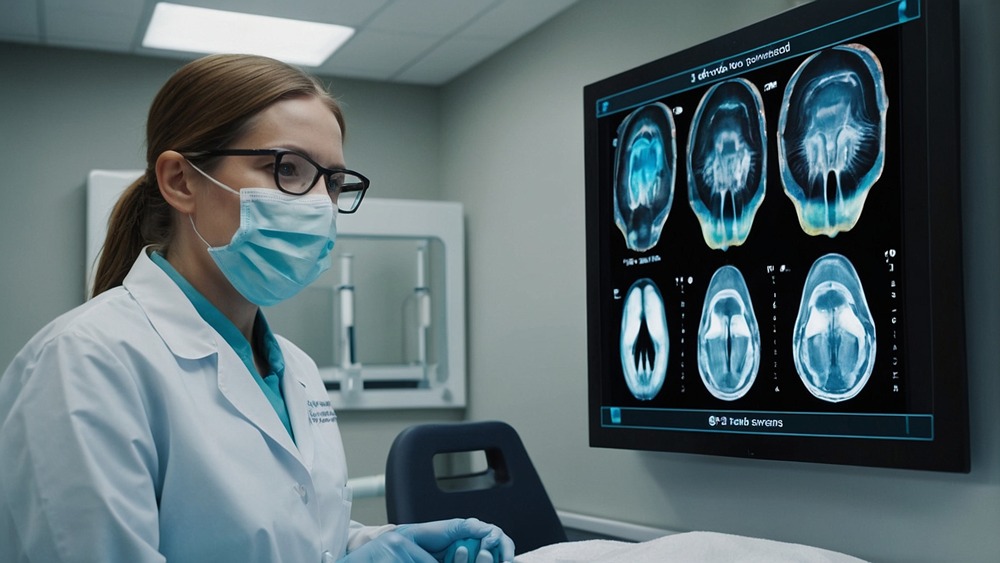
Davunetide may significantly slow the progression of a fatal brain disease in women, according to a new analysis of clinical trial data.
The findings indicate that women and men with progressive supranuclear palsy (PSP) may respond differently to the experimental treatment.
Progressive supranuclear palsy, or PSP, is a rare and fatal neurodegenerative disease.
Researchers at Tel Aviv University led the analysis and said the results reinforce the need for sex-specific approaches to neurodegenerative diseases.
Neurodegenerative diseases are conditions in which nerve cells in the brain or nervous system gradually lose function and die.
The team reanalysed data from a 52-week international clinical trial involving more than 300 people with PSP.
The disease is caused by the abnormal accumulation of tau protein in the brain. Tau is a protein found in nerve cells that builds up abnormally in people with PSP.
There is currently no effective drug treatment for the disease.
The work was led by professor Illana Gozes of the Sagol School of Neuroscience and the Gray Faculty of Medical and Health Sciences at Tel Aviv University.
The research team included current and former students Dr Guy Shapira, Jason Blatt and Liri Guz, together with professor Noam Shomron.
The original clinical trial found that Davunetide was safe but ineffective.
However, the researchers separated female and male participants and re-examined the data using updated assessment measures recommended by the FDA.
Women treated with Davunetide experienced a significant slowing of disease progression, while no similar effect was observed in men.
The treatment helped preserve essential movement and functional abilities, including balance, fine motor skills and everyday tasks such as using cutlery, buttoning clothes and washing the face and hands.
Fine motor skills are the small, precise movements needed for tasks involving the fingers and hands.
Treated women also showed significant improvements in language ability, working memory and overall cognitive function.
Cognitive function covers mental abilities such as memory, attention, language and problem-solving.
The analysis also identified profound molecular differences between women and men.
The relationship between levels of pathological tau in cerebrospinal fluid and clinical symptoms was completely reversed between the sexes.
Cerebrospinal fluid is the clear liquid surrounding the brain and spinal cord. A biomarker is a measurable sign that can indicate disease activity.
For example, language abilities declined significantly as tau pathology increased in women, but not in men.
The researchers said this suggests the disease mechanisms may work differently in women and men, potentially explaining their different responses to treatment.
According to professor Gozes, overlooking biological differences between the sexes may hide a genuine treatment effect.
“Our data show that analysing women and men separately is not merely a statistical exercise, but an essential tool for developing more effective treatments for neurodegenerative brain diseases,” she said.
The researchers believe the findings provide a strong scientific basis for future clinical trials and treatment protocols designed from the outset to account for patients’ sex.
These trials could evaluate Davunetide as a targeted treatment for women with PSP.
They said the approach may also pave the way for more precise treatments for tau-related diseases, including Alzheimer’s disease and other neurodegenerative brain disorders.
The study was supported by ExoNavis Therapeutics, which is developing Davunetide for brain diseases under licence from Ramot, Tel Aviv University’s technology transfer company.

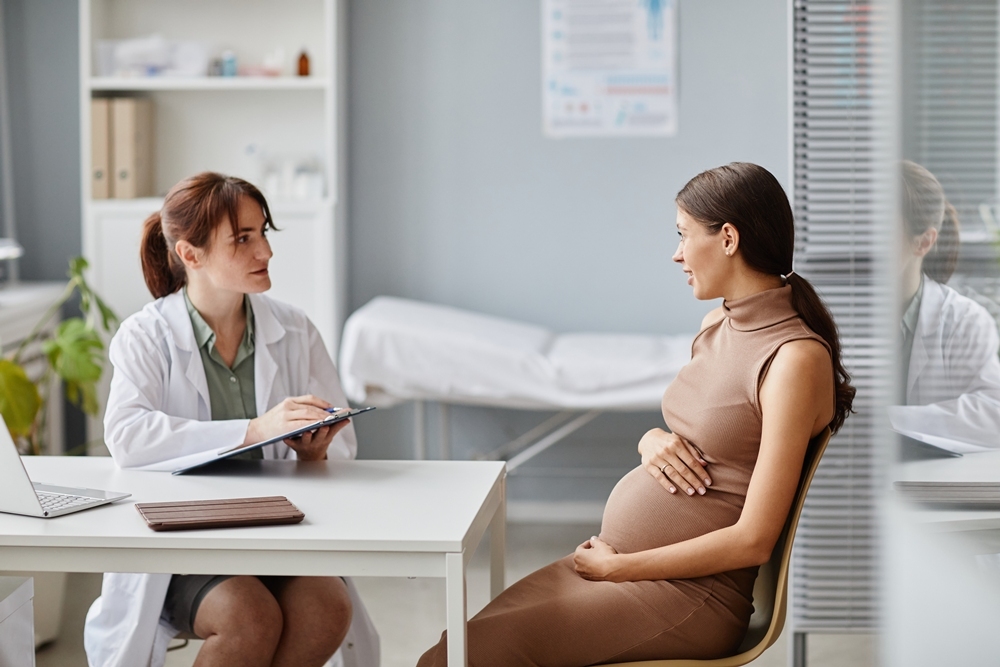
A preeclampsia study has found unusual cell activity in mothers and babies that could reveal new targets for treatment.
The condition affects 2 to 4 per cent of pregnancies worldwide and is a leading cause of maternal and foetal mortality.
There is currently no cure, and severe cases can put both the mother and baby at risk.
Scientists from UCL and University College London Hospitals found that stressed placental cells, poorly functioning blood vessels and an overactive immune response all contribute to the condition.
Preeclampsia causes high blood pressure during pregnancy. It can affect blood flow to the baby and cause symptoms such as swelling, headaches, blurred vision and pain under the ribs.
Without treatment, it can damage the mother’s health, slow the baby’s growth and, in severe cases, become life-threatening.
Previous research has focused only on the placenta, the organ that develops during pregnancy to support the baby’s growth, rather than the tissues around it.
The researchers said the findings could reveal new therapeutic targets, which are biological processes that future treatments could be designed to alter.
Senior author professor Sara Hillman, of the UCL EGA Institute for Women’s Health, said: “We studied individual cells from both the mother and the baby to see how their activity changes in healthy pregnancies compared with preeclampsia.
“This helped us to confirm some changes already suspected in the condition and also discover new ones.”
The team studied 20 pregnant women recruited at UCLH, including 10 with severe preeclampsia and 10 without the condition.
They used genomic testing to examine individual cells in the placenta and other tissues where cells from the developing baby and mother come into contact.
Genomic testing examines genetic information to help researchers understand how cells behave and the roles they may play.
The other tissues studied were the myometrium, the muscular layer of the womb, and the chorioamniotic membranes, which surround the baby during pregnancy.
The team compared cells from healthy pregnancies and those affected by preeclampsia at different gestational ages, meaning different stages of pregnancy.
They used technology that can read the genetic information of thousands of individual cells at the same time, allowing them to see what each cell was doing and where it was located in the tissue.
In preeclamptic pregnancies where babies were born prematurely, before 37 weeks, during the third trimester, placental cells showed signs of stress and low oxygen levels.
The cells also did not use energy in the normal way.
Some cells responsible for reshaping the mother’s blood vessels were not working properly, the researchers found, which may affect blood flow to the baby.
There were also signs of an overactive immune response in the placenta, nearby tissues and the mother’s blood.
The researchers said this response, together with other stress molecules released by the placenta, helps explain why preeclampsia affects the whole body and can become serious.
They hope the findings will help researchers find treatments for the condition and potentially save lives.
Co-lead author Dr Yara Sanchez Corrales, of the UCL Great Ormond Street Institute of Child Health, said: “These findings point to specific biological processes that could be targeted with treatments. Acting early in pregnancy, especially in more severe early-onset cases, could help improve outcomes and reduce the high risks associated with severe preeclampsia.
“We hope that our findings may set us on the path to reducing premature births and fatalities associated with preeclampsia.”
Co-lead author Mr Theodoros Xenakis, of the UCL Great Ormond Street Institute of Child Health, said: “Future studies may provide an even clearer picture of the biological changes linked to the disease by including more participants and using even more precise methods.”








 News2 weeks ago
New menopause drug approved for use by NHS in Scotland

 Hormonal health2 weeks ago
Stardust period tracker shares health data, study reveals

 News1 week ago
Zero Candida market set to reach over US$2 billion by 2030 – report

 News2 weeks ago
Women’s health draws record $1.55bn in equity as capital spreads beyond the mega-rounds

 Entrepreneur2 weeks ago
Onto Health acquires diagnostics software company Levy Health

 Mental health1 week ago
Nearly 60% of young women get health advice from influencers, research finds

 News2 weeks ago
Congress urged to invest over $20bn to close women’s health gap

 News5 days ago
From Hologic to Ark Surgical: Why Joseph LaBruzzo is betting on the future of women’s surgical innovation