




Menopause
Spain triples women’s health research funding

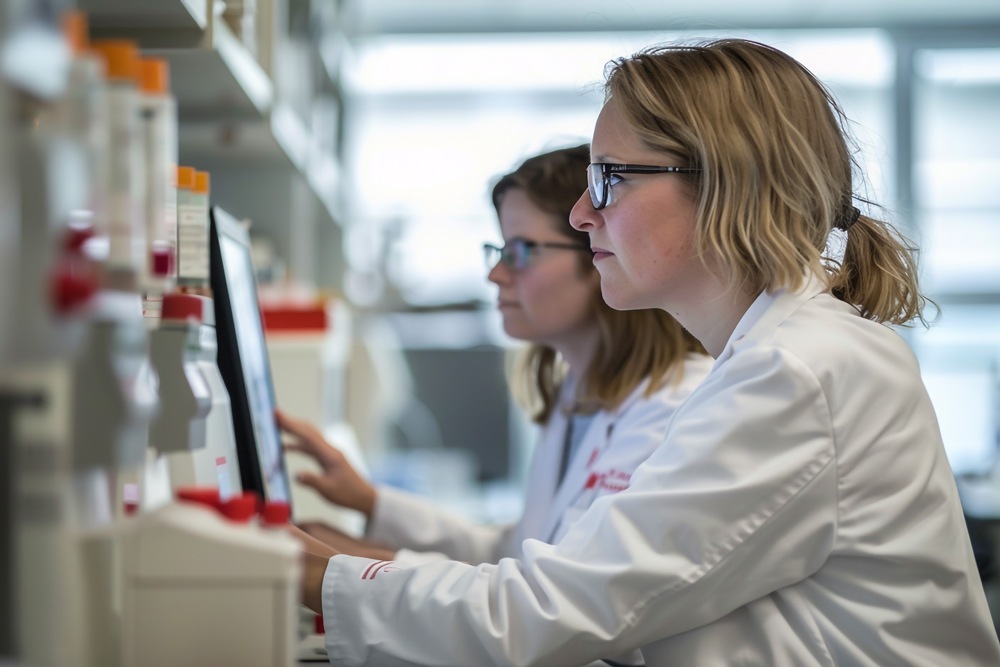
Spain will triple annual women’s health research funding to €18m under a programme focused on discrimination in medical research.
Spain’s Ministry of Science will increase investment in research and development projects focused on women’s health to €18m a year.
The initiative was announced on Monday by prime minister Pedro Sánchez during the presentation of Somos. Contamos: Fin de la discriminación de las mujeres en la investigación de la salud, which translates as We Are. We Count: Ending Discrimination Against Women in Health Research.

Sánchez said:
“This will boost research, diagnosis and treatment in areas that affect the lives of thousands of women in our country, who have not received the necessary attention.”
The plan is divided into three main areas.
These include a specific mission on women’s health through the centre for technological development and innovation, which will support companies and research centres working on research and development projects.
It also includes a new funding line for the Carlos III health institute and measures to build the research workforce in the field, including predoctoral contracts for projects focused on women’s health.
Sánchez said conditions such as endometriosis reflected discrimination faced by women in healthcare.
Endometriosis is a condition where tissue similar to the lining of the womb grows outside the uterus, often causing severe pain and, in some cases, fertility problems.
The prime minister said the condition affects one in seven women and can take a decade to diagnose.
He said:
“This cannot be allowed in Spain today.”
Sánchez added:
“If a disease affected one in seven men, causing chronic pain, difficulty working, and fertility problems, would we accept a decade-long delay in diagnosis? The answer is obvious: certainly not. So it’s high time we said ‘no’ with the same clarity when we talk about diseases that affect millions of women.”
Other diseases where diagnosis and treatment suffer from a lack of a gender perspective include chronic pain, autoimmune and thyroid diseases, cardiovascular and mental health conditions, menopause and hormonal imbalances.
Autoimmune diseases occur when the immune system mistakenly attacks the body, while thyroid diseases affect a gland in the neck that helps regulate metabolism, energy and hormones.
Sánchez said:
“There can be no equality while science continues to respond better to some lives than to others.”
The prime minister also addressed the delay in diagnosing women.
He said:
“It is a paradox that says a lot about our past, that challenges our present, but that also drives us to change the future, including through politics.”


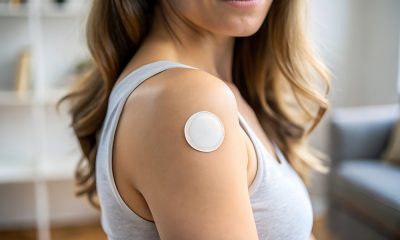












Women who do not use menopausal hormone therapy have a greater risk of developing osteopenia or osteoporosis, conditions that weaken bones and can lead to fractures, disability and loss of independence, new research suggests.
The retrospective cohort study included 387 postmenopausal women who underwent DXA scans between 2021 and 2025. A DXA scan is an imaging test used to measure bone mineral density.

Participants were classed as menopausal hormone therapy users, who made up 33 per cent of the group, or non-users, who made up 67 per cent.
Low bone mineral density was defined as osteopenia, where bones are weaker than normal, or osteoporosis, where bones become more fragile and more likely to break.
Women taking menopausal hormone therapy had about 69 per cent lower risk of low bone mineral density in the spine and hip compared with those not using it.
The association remained after researchers accounted for age, time since menopause, vitamin D levels, smoking and other health conditions.
Diego Espinoza-Peralta, vice president of the Mexican Society of Nutrition and Endocrinology and principal investigator at Investigación Médica Sonora, said: “For years, many women have avoided menopausal hormone therapy because of safety concerns and warning labels.
“This study revisits that narrative and shows that menopausal hormone therapy may have an important added benefit: protecting bone health. That shifts the conversation from ‘avoid if possible’ to ‘reconsider in the right patient.’
“In simple terms: menopausal hormone therapy appears to independently protect bones, not just by coincidence.”
The findings suggest hormone therapy could help some women find relief from menopausal symptoms while preventing bone loss or lowering fracture risk.
Espinoza-Peralta said: “Clinicians may begin to weigh its benefits more carefully, especially in women early after menopause, potentially improving long-term health and quality of life.”
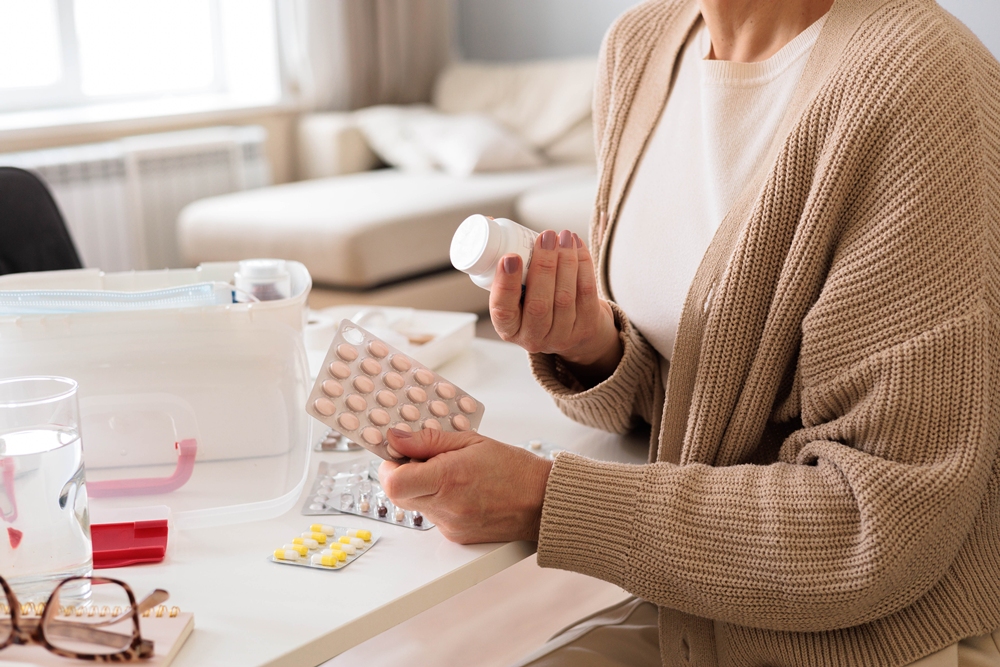
The highest dose of an oral GLP-1 was linked to significant weight loss across menopause stages in post-hoc analyses of two late-stage trials.
The results suggest Foundayo may help women with obesity or overweight lose weight during premenopause, perimenopause and post-menopause.
Women taking the highest dose also saw reductions in waist circumference, a measure linked to abdominal fat and cardiometabolic risk.

The analyses were based on more than 1,500 female participants in the ATTAIN-1 and ATTAIN-2 clinical trials.
GLP-1 medicines mimic a hormone that helps regulate appetite and blood sugar. They are used in weight management and diabetes care.
Cardiometabolic risk means the likelihood of developing conditions such as heart disease, high blood pressure or type 2 diabetes.
The findings were presented at the American Diabetes Association’s 86th Scientific Sessions.
Eli Lilly and Company said women taking the highest dose of Foundayo, the brand name for orforglipron, achieved significant weight loss at every stage of menopause.
Orforglipron is a once-daily oral GLP-1 receptor agonist. Unlike injectable GLP-1 medicines, it is taken as a tablet.
Menopause is the point at which menstrual periods have permanently stopped. Perimenopause is the transition before menopause, when hormone levels and periods can change.
The company said menopause can contribute to weight gain, particularly around the abdomen, and may make weight loss harder to achieve and maintain.
Rachel Batterham, senior vice-president of medical innovation and external engagement at Lilly, said: “Menopause can be an incredibly frustrating time for many women, partly because weight gain often feels beyond their control, and the biology of menopause can undermine even the most determined efforts to manage weight.
“These findings show that Foundayo was associated with meaningful weight loss in women at every stage of menopause.
“For women who have seen their weight become harder to manage precisely when their health is more at risk, this is what progress could look like.”
In ATTAIN-1, women without diabetes who were premenopausal lost up to 12.8 per cent of their body weight after 72 weeks on the highest dose.
Women in perimenopause lost up to 14.4 per cent, while post-menopausal women lost up to 14.1 per cent.
This was equivalent to 28.0 lbs, 30.4 lbs and 28.2 lbs respectively.
At the highest dose, up to 51.5 per cent of women in ATTAIN-1 achieved at least 15 per cent weight loss.
Waist circumference fell by up to 4.9 inches in the trial.
In ATTAIN-2, which involved adults with obesity or overweight and type 2 diabetes, women also lost weight across menopause stages.
Premenopausal women lost up to 11.3 per cent of their body weight, perimenopausal women lost up to 8.9 per cent and post-menopausal women lost up to 13.6 per cent.
This was equivalent to 23.4 lbs, 18.5 lbs and 27.8 lbs respectively.
At the highest dose, up to 44.2 per cent of women in ATTAIN-2 achieved at least 15 per cent weight loss.
Waist circumference reductions reached up to 4.3 inches.
ATTAIN-1 was a 72-week phase 3 trial comparing three doses of Foundayo with placebo in adults with obesity, or overweight with at least one weight-related condition, who did not have diabetes.
ATTAIN-2 was a 72-week phase 3 trial in adults with obesity or overweight and type 2 diabetes.
A placebo is an inactive treatment used for comparison in a clinical trial.
Both trials tested the drug alongside lifestyle measures, including diet and physical activity.
The analyses were post-hoc, meaning they looked at the data after the trial results had already been collected.
Post-hoc analyses can help identify patterns, but they are generally considered less definitive than findings from trials designed specifically to answer that question.
Foundayo is approved by the FDA in the US for adults with obesity, or some adults with overweight and weight-related medical problems, to reduce excess body weight and maintain weight reduction alongside diet and physical activity.
The source material states that the drug should not be used with other GLP-1 receptor agonist medicines and that it is not known whether it is safe and effective in children.
It also states that oral birth control pills may not work as well while taking Foundayo, and that healthcare professionals may recommend another form of contraception for 30 days after starting the drug and for 30 days after each dose increase.
Common side effects listed in the source material include nausea, constipation, diarrhoea, vomiting, indigestion, abdominal pain, headache, swollen belly, tiredness, belching, heartburn, gas and hair loss.
The company said orforglipron is also being studied for type 2 diabetes, obstructive sleep apnoea, osteoarthritis knee pain, hypertension, peripheral artery disease and stress urinary incontinence.

Apple announced menopause and perimenopause tracking for its Health app at WWDC 2026, with symptom logging and cycle alerts for some users.
The update expands the app’s cycle tracking beyond fertility and menstrual periods.
If logged cycle patterns suggest a user may be experiencing perimenopause, the app will send a notification prompting a conversation with a doctor.
However, this perimenopause-specific cycle deviation notification is only for users aged 40 and over and is not intended to replace a doctor’s diagnosis or treatment.
Stacey Ford, Apple’s vice-president of OS management, said users will also be able to log menopause and perimenopause symptoms in the Health app.
Educational content will also be available to help users learn more about these life stages and understand changes in their bodies.
Every year, about 2 million women enter perimenopause, the stage before menopause when levels of the hormone oestrogen decline.
According to a February 2025 survey involving 4,432 participants aged over 30, more than half of women aged 30 to 35 experienced moderate or severe perimenopause symptoms.
The findings suggest perimenopause does not affect only older adults.
About 6,000 women in the US enter menopause every day, according to the Society for Women’s Health Research.
Given the number of women affected by perimenopause and menopause, the update broadens the Health app’s scope.
The app launched in 2019, meaning it has gone seven years without these women’s health tracking features, which could help users better understand their bodies and prepare for informed conversations with doctors.











 Menopause3 weeks ago
Perimenopause misinformation ‘putting women at risk’

 Hormonal health4 weeks ago
NHS urged to update website following renaming of PCOS

 News3 weeks ago
Women still being failed when they reach menopause, experts say

 Events3 weeks ago
Women’s Health Innovation Summit opens submissions for 2026 Innovation Showcase

 Mental health2 weeks ago
British women among angriest in Europe, health survey reveals

 Menopause3 weeks ago
Sweden eyes domestic production of oestrogen patches amid menopause treatment shortage

 News3 weeks ago
Three menopause innovators shortlisted for Femtech World Award

 News4 weeks ago
Low insulin diet and avoiding four food groups may prevent menopause weight gain