




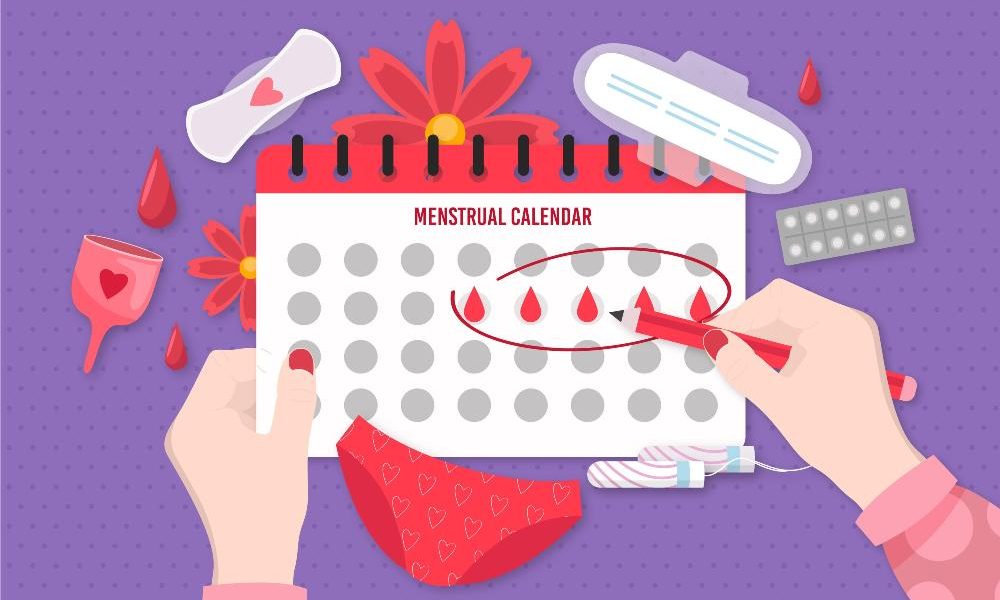
Women with long Covid reported abnormal bleeding around their menstrual cycles, according to new research involving more than 12,000 women in the UK.
The study found periods were often longer and heavier, with bleeding between cycles.
Symptoms also fluctuated across the menstrual cycle, worsening in the days before menstruation and during the proliferative phase – the time between the end of bleeding and ovulation.

Those with long Covid described abnormal bleeding patterns, while women who had recovered from Covid-19 reported minimal disruption to their cycles.

Dr Jacqueline Maybin, of the Centre for Reproductive Health at the University of Edinburgh, said gynaecologists began noticing a pattern during the pandemic.
The reports “became so much that we couldn’t ignore it,” she told Euro News.
The findings suggest menstrual changes could have wider health consequences.
Maybin said: “Heavy menstrual bleeding is really common, and it is causing iron deficiency in reproductive-aged women.
“If long Covid is adding to that blood loss, then we really need prompt treatment for it.”
Iron deficiency causes fatigue, shortness of breath and headache – symptoms that overlap with long Covid and may create what Maybin called a “compound effect.”
The study found no link between long Covid and impaired ovarian function, suggesting fertility is not affected.
To explore how menstruation interacts with long Covid, researchers analysed blood samples and endometrial tissue – the inner lining of the uterus shed during menstruation – from a smaller group of women.
They found symptoms ebbed and flowed across the menstrual cycle, worsening just before periods and during the proliferative phase.
In a small, preliminary analysis, women with long Covid also had inflammation of the endometrium and disrupted regulation of androgen, a reproductive hormone.
The inflammation could help explain abnormal uterine bleeding and worsening long Covid symptoms, according to the researchers, who said the work could guide new treatments.
Maybin urged women to track menstrual changes and seek medical advice if needed.
She said: “For people with long Covid – or anyone experiencing menstrual disturbance – if your periods are heavy or irregular and really impacting on your life … you should be seeking help from your primary care physician.”

Newsletter
Sign up for free weekly updates
The latest femtech news, research and investment, straight to your inbox.




