




Global Financing Facility secures US$1bn for maternal and child health
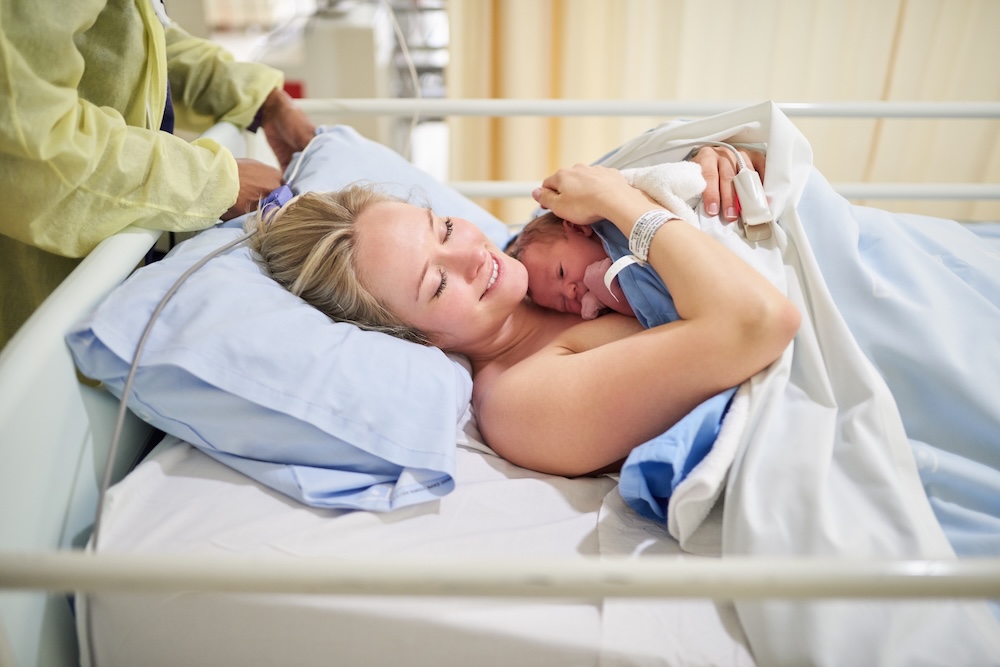
The Global Financing Facility (GFF) has secured US$1bn in new funding commitments to improve maternal and child health and reduce preventable deaths.
The funding, announced at the close of its 2026 investment round, will support healthcare for women, children and adolescents, particularly in low- and middle-income countries.
It will help countries improve access to essential medicines and health products, strengthen healthcare systems and expand approaches to making childbirth safer for mothers and newborns.
The Global Financing Facility for Women, Children and Adolescents, a country-led partnership hosted by the World Bank Group, said it had reached its US$1bn fundraising target.

Mamta Murthi, vice president for people at the World Bank Group, said: “Reaching US$1 billion in grant financing reflects the trust our investors place in the GFF, and the health results partner countries are achieving for women, children, and adolescents.
“Investing in the GFF will help unlock more World Bank Group financing towards ending preventable deaths of women and children and brings us closer to the Bank Group’s goal of reaching 1.5 billion people with quality, affordable health services by 2030.”
Established in 2015, the partnership provides grant financing and technical assistance to help countries improve health and nutrition services.
According to GFF figures, maternal mortality in partner countries fell by 26 per cent between 2015 and 2023, compared with a global decline of 14 per cent.
Mortality among children under five fell by 24 per cent in partner countries between 2015 and 2024, against a global reduction of 13 per cent.
Although mortality declined faster in partner countries, the figures do not establish how much of the improvement can be attributed directly to GFF-supported programmes.
The GFF also reported that its partner countries have committed US$11.9bn in World Bank Group financing towards women’s and children’s health priorities since 2015.
This financing is separate from the latest US$1bn investment round.
Allocations to interventions identified as having the greatest impact on women, children and adolescents have increased by 46 per cent.
The investment round comes as the GFF implements its TRANSFORM 2030 strategy, covering 2026 to 2030.
The strategy aims to expand access to quality, affordable health and nutrition services while helping countries maintain investment in healthcare for women, children and adolescents.
The US$1bn in commitments comes from governments, philanthropic organisations and private sector partners.
Recent pledges include US$40m from Japan, €84.5m from the Netherlands, €10m from Germany and US$45m from an anonymous foundation.
The Netherlands’ additional €84.5m commitment will be provided between 2027 and 2030, on top of its annual core contribution of €23.9m.
Germany’s €10m will support the GFF’s sustainable commodities access programme, which aims to improve access to essential health products for women and girls.
Japan’s US$40m pledge forms part of the first year of its new five-year strategy. The country also plans to strengthen collaboration between the GFF and the Universal Health Coverage Knowledge Hub.
The GFF works through national health systems and budgets, with governments leading the development and implementation of programmes based on their countries’ priorities.
Its partnership brings together governments, international funders, health organisations, civil society groups, youth-led organisations and private sector partners to coordinate investment in health and nutrition.
Dr Austin Demby, Sierra Leone’s minister of health and chair of the GFF Ministerial Network, said: “These commitments are an important vote of confidence in the GFF model and what countries can achieve when they are in the driver’s seat.
“This funding will help to reach more women and children with lifesaving care and build stronger health systems that can sustain progress for generations to come.”
 Fertility charity launches campaign on NHS IVF postcode lottery
Newsletter
Sign up for free weekly updates
The latest femtech news, research and investment, straight to your inbox.




