



Extreme heat putting pregnant women and newborns at growing risk, medics warn
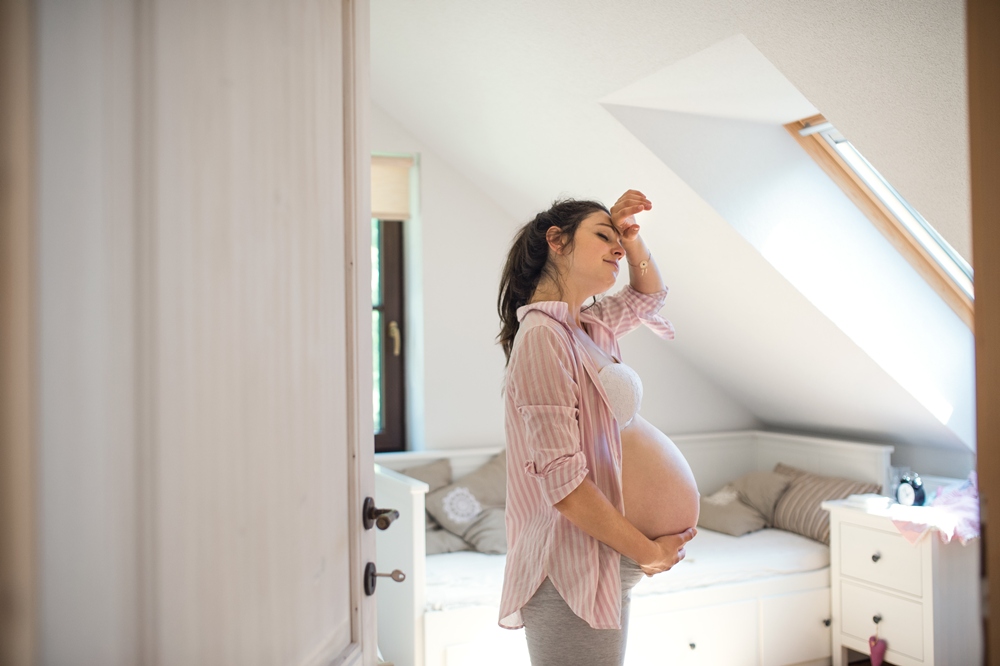
Medical professionals are reporting pregnancy and newborn complications linked to extreme heat, according to a five-country survey.
Nearly three-quarters of respondents, 73 per cent, said they had seen an increase in extreme heat causing medical complications for pregnant women. Some 76 per cent had seen complications affecting foetal or newborn health.
Previous research has linked heat exposure during pregnancy to higher rates of premature birth, low birth weight, stillbirth and other maternal health problems.

Julia Gillard, chair of Wellcome and former prime minister of Australia, said: “The evidence is very clear that with pregnancy and extreme heat, you get more pre-term babies, stillborn babies, and much more risk of maternal complications.
“Healthcare workers are reporting that they don’t have the tools and training they need to deal with all of this.
“Midwives and doctors from countries across five continents are telling us that extreme heat is affecting the health of pregnant women and newborn babies.
“No woman should have to fear that extreme heat will harm the baby she is carrying.”
The Wellcome survey involved 1,000 medical professionals across Australia, Brazil, India, the UK and Zimbabwe.
Almost all respondents said they had cared for a pregnant woman, 99 per cent, or newborn baby, 98 per cent, they believed had been affected by extreme heat.
Four in five, 81 per cent, believed the situation for pregnant women and newborns would worsen without further action, while 82 per cent called on policymakers to do more.
More than a third, 36 per cent, had observed dehydration or heat-related illness, while the same proportion reported difficulties with feeding, breathing and temperature regulation. Low birth weight or restricted growth was reported by 34 per cent.
More than a quarter, 27 per cent, said rising temperatures were also making it harder for pregnant women to access or obtain transport to necessary care.
Research cited alongside the survey suggests women exposed to heatwaves during pregnancy are 25 per cent more likely to experience obstetric complications. A 1C increase in heat exposure can increase the likelihood of preterm birth by around 5 per cent.
The findings were released as delegates gathered in Nadi, Fiji, for a pre-COP climate summit ahead of COP31 in Antalya, Turkey, from 9 to 20 November.
Wellcome is calling for funded measures to protect pregnant women and newborns from extreme heat, alongside World Health Organisation clinical guidance to help healthcare systems prepare.
“As the planet continues to heat-up because of anthropogenic climate change more mothers and babies will be put at risk,” Gillard said.
“Extreme heat is an invisible killer, but pregnant women must not be invisible. Leaders have the evidence and solutions they need, now they must act.”

 RISE @ ESC Congress 2026: Building a future where every woman in cardiology can lead
Newsletter
Sign up for free weekly updates
The latest femtech news, research and investment, straight to your inbox.



