



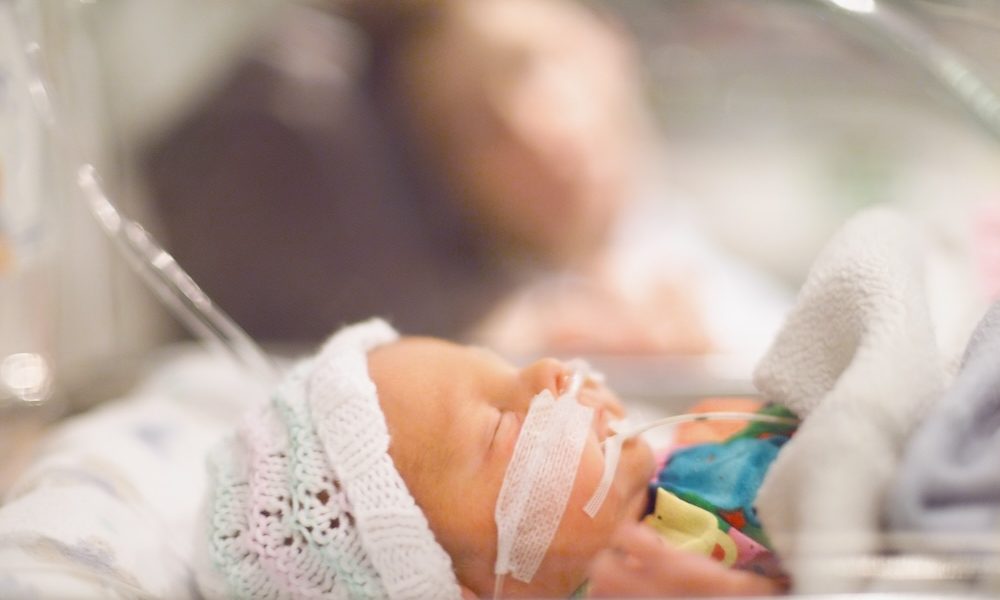
Preterm birth (PTB) is a poorly-noticed crisis impacting millions of families worldwide. Defined as delivery before 37 weeks of gestation, PTB is the most prevalent, devastating and expensive pregnancy complication.
- one in 10 babies are born preterm – 15 million a year worldwide
- one million will not survive
- PTB is the leading cause of morbidity in children till the age of five, enduring lifelong disabilities
The earlier a baby is born, the higher the risk of severe health complications. Every additional day in the womb is critical.
The hidden toll of preterm birth on mothers
Preterm birth places an immense emotional and psychological burden on mothers, often leading to trauma that can last for years. As their newborn fights for life in the neonatal intensive care unit (NICU), mothers endure significant stress and anxiety, frequently exacerbated by feelings of helplessness and guilt.
Financially, the cost of treating a preterm newborn in the United States is 10 times that of a full-term baby (US$4,500 vs. US$49,000), without accounting for long-term care required for children with disabilities. This financial strain disproportionately affects women, who often bear the brunt of childcare responsibilities and associated costs, further impacting their economic stability and mental health.
Preterm birth is lose / lose situation for all stakeholders: payers, hospitals, physicians and families.
A revolutionary approach to delaying preterm birth
Despite decades of research, traditional methods such as bed rest, tocolytic drugs, progesterone and cervical cerclage have not significantly reduced PTB rates.
Introducing the LIONESS™, a groundbreaking, non-surgical device developed by PregnanTech that offers a new hope for families at risk of PTB birth. LIONESS™ is a smartly designed silicone ring that is placed high around the uterine cervix by a physician in a quick, non-surgical procedure.

Unlike other methods, LIONESS™ maintains its position despite contractions, preventing dilation and reducing the cervical load. LIONESS™ is easily removed at term and includes a self-release mechanism to prevent tissue damage during active labour.
Promising clinical results
Clinical trials of LIONESS™ have shown promising outcomes. Recently, the company concluded a pilot safety and feasibility study among pregnant women at high risk of PTB, published in the highly prestigious American Journal of Obstetrics and Gynecology (article).

Results reported a high rate of term births and no significant device-related side effects. These findings highlight LIONESS™’s potential to safely and effectively reduce PTB rates.
“Every 30 seconds, a baby dies of spontaneous PTB around the world. That is over a million babies every year. The Lioness is a non-surgical intervention, shown already to be safe, that could save tens of thousands of these babies.” Dr Vincenzo Berghella, director of the maternal-foetal medicine (MFM) division at Thomas Jefferson University in Philadelphia
In 2025, PregnanTech plans to conduct a pivotal study in the United States to prove the efficacy of LIONESS™ in delaying PTB and to support the FDA approval process.
Looking ahead
LIONESS™ offers a beacon of hope in the fight against preterm birth. Its innovative design, ease of use, and lack of significant side effects make it a promising solution for reducing PTB rates and improving outcomes for millions of infants and their families worldwide.
About PregnanTech
PregnanTech, a pioneering medical technology company, is dedicated to developing innovative solutions for maternal-foetal health. Backed by a team of leading experts in obstetrics, biomedical engineering, manufacturing and business, PregnanTech focuses on combating preterm birth through their revolutionary LIONESS™ device. To find out more, visit PregnanTech.com.
Point of contact
Dor Nadler, outreach coordinator



Newsletter
Sign up for free weekly updates
The latest femtech news, research and investment, straight to your inbox.