




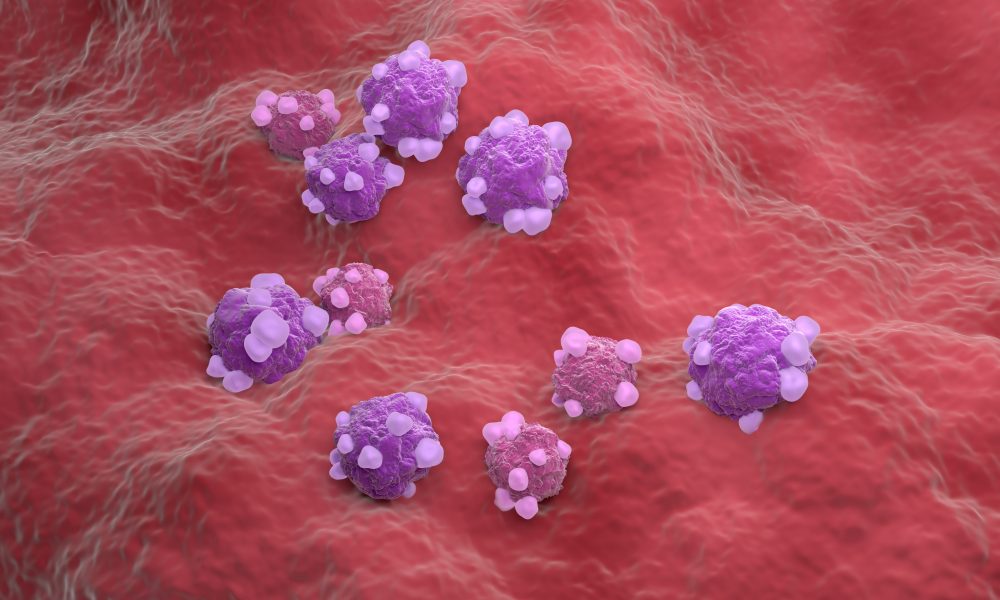
In a new study, IgE antibodies have been shown to help activate monocytes – a type of immune cell – making them more effective at attacking cancer cells, and trigger an increase in inflammatory signals that help the immune system fight HER2+ tumours.
HER2+ tumours are commonly found in breast and other cancers, such as ovarian cancer.
For the study, researchers used IgE antibodies to see if they could enhance the body’s immune response against tumours.
When tested on trastuzumab-resistant tumours in mice, the treatment slowed tumour growth as well as changing the tumour environment by increasing the presence of helpful immune cells like active CD4+ T cells and reducing cells that suppress immune responses.

“By generating anti-HER2 IgE antibodies equivalent to the clinically used IgGs, for the first time we demonstrate that IgEs harness unique mechanisms to reprogram the immune microenvironment, switching immune cells to effectively target HER2-expressing cancers, including those resistant to existing therapies,” said research lead Heather Bax, PhD, at King’s College London, speaking to Inside Precision Medicine.
The authors wrote: “Collectively, anti-HER2 IgE maintains Fab-mediated antitumor activity, induces Fc-mediated effects against HER2-expressing tumour cells, and stimulates remodelling of the immune microenvironment in tumours to promote pro-inflammatory cell phenotypes which could translate to improved outcomes for patients.”
The findings suggest that IgE-based therapies could be a promising new way to treat HER2+ cancers, even in cases where existing treatments no longer work.

Newsletter
Sign up for free weekly updates
The latest femtech news, research and investment, straight to your inbox.




