


By Zhenya Lindgardt, president and CEO, Sera Prognostics
In the lead up to International Women’s Day 2026, women’s health leaders, experts and insiders explore the critical challenges shaping the future of women’s health
Each year, International Women’s Day serves as a powerful reminder to celebrate the progress we’ve made in women’s health, while addressing the gaps we still urgently need to close.

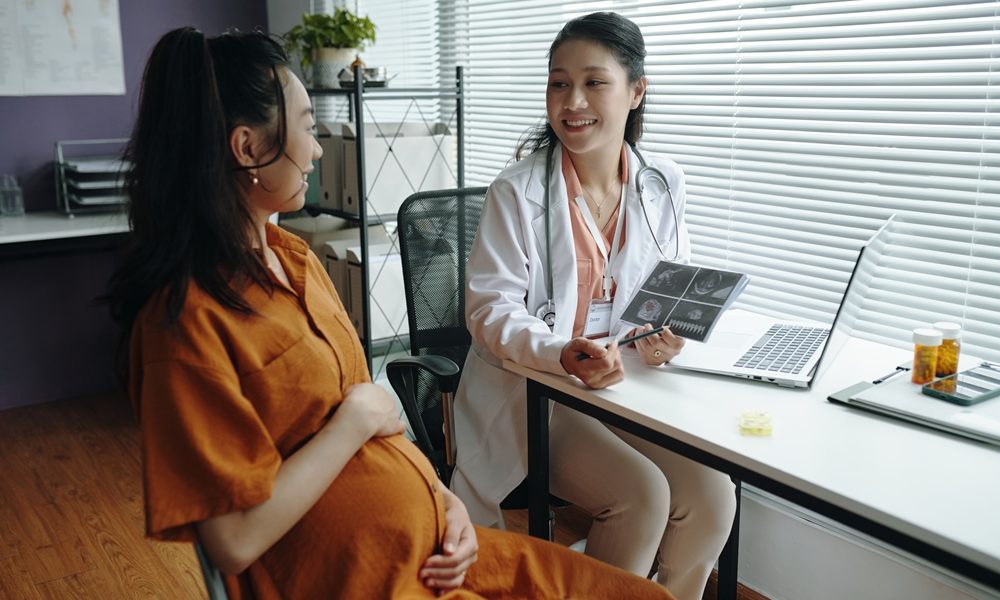
One of the most critical gaps, and one overlooked too often, is maternal care in the United States (U.S.).
For all the extraordinary advances in science and technology, pregnancy care in U.S. remains overwhelmingly reactive rather than predictive.
The 2025 March of Dimes Report Card on prenatal care rated the US a D+, based on the high percentage of pre-term births and lack of adequate prenatal care among many patient populations.
Many people are surprised to learn that neonatal mortality in this country is not a problem of the past. In fact, preterm birth remains the second leading cause of infant death in the U.S.
In 2023, preterm birth and low birth weight accounted for 14.5 per cent of all infant deaths nationwide, underscoring the scale of the crisis.
Infants born preterm (before 37 weeks) continue to face mortality rates roughly 22 times higher than those born at full term (39-40 weeks).
Further, about 1 in 10 babies are born preterm each year in the U.S., yet nearly 60 per cent of Americans are unaware of just how severe the crisis is.
Many believe maternal deaths are rare or unavoidable.
The truth is far more troubling: over 80 per cent of maternal deaths are considered preventable and yet our healthcare system continues to miss key warning signs that could save lives.
For me, this issue is deeply personal.
When early labor became a reality for me
During my first pregnancy, I encountered the unexpected onset of early labour.
My first daughter was born at 37 weeks and caught me completely by surprise.
She was not due for another three weeks, but on an early Monday morning I woke up realising my water broke and understood something was amiss.

Zhenya Lindgardt
I was completely unprepared and decided to run by the birthing class my husband and I scheduled for that morning.
When we arrived and the coach understood what was going on, I was sent straight to the hospital and ended up delivering via emergency c-section that night.
I was lucky to have it happen at the end of week 37, and my baby was already six pounds.
She had to spend a day under a lamp for jaundice, receive supplemental formula to address low glucose, and give blood from her poor little heels 10 times over the course of four days.
Otherwise, she was completely healthy. We were very lucky, and I know now how many other women are not as fortunate.
Despite not being identified as high risk, the reality of facing this surprise challenge firsthand left me with an awareness of how little information expectant mothers receive during pregnancy.
It’s what ultimately led me to Sera.
Turning fear into action
When I learned about Sera – particularly – the company’s PreTRM® Test and its ability to provide early, individualised risk assessment for preterm birth – I felt hopeful.
This wasn’t just an incremental improvement in prenatal care, but a way to meaningfully impact positive outcomes for mothers and babies through prognostic testing.
The urgency is real.
1 in 10 babies in the U.S. are born preterm, and half of those births occur in women like me who show no obvious risk factors.
That means today’s standard of care is missing far too many families who could benefit from early interventions or enhanced monitoring.
Joining Sera was both a scientific and emotional conviction for me.
I want to provide women with clarity instead of uncertainty and empower them to plan proactively with their care team instead of waiting for complications to emerge.
To me, that’s one of the most transformative forms of maternal empowerment: replacing fear with informed action.
Moving from reactive to predictive maternal care
Much of the science behind preterm birth risk focuses on identifying biological signals – measurable changes happening in the body long before symptoms appear.
Predictive tests like PreTRM analyse these markers by providing individualised risk scores.
It sounds simple, but the impact can be profound:
- Clinicians have time to intervene;
- Mothers can receive tailored monitoring instead of one-size-fits-all care;
- Care plans can shift before complications arise through low-risk interventions like vaginal progesterone and daily aspirin; and
- Families gain knowledge to advocate for themselves.
Imagine if early pregnancy risk assessments were routine, if personalised care plans became the norm, and every expectant mother had clarity about her unique risk factors and care options.
That is the future precision pregnancy care will make possible.
A future where every woman is seen, heard, and protected
I believe deeply in a maternal health care system that combines biology, data, and clinical technology.
A system where risk isn’t left to chance, and access to predictive tools is equitable.
While maternal health has been ignored for far too long, there’s an opportunity for transformation driven by science and innovation.
We have the tools to predict complications of preterm birth before they endanger mom and baby.
We have an obligation to put those tools into practice.
But this transformation must begin with awareness – ensuring people understand what’s possible today and what’s at stake if maternal care remains unchanged.
Spreading the word about new technology and innovation in maternal and neonatal healthcare can empower expecting parents with insights and confidence to help manage pregnancy proactively, reduce preterm birth rates, and close care gaps that have persisted for decades.
Creating a healthier future for women and babies
On International Women’s Day, I’m reminded of the urgency and opportunity in front of us to address preterm birth and maternal mortality realities in the U.S.
Pairing new science and care models can support our collective commitment to provide moms and babies with the exceptional care we know is at our fingertips.
Healthier pregnancies are within reach, but only if we embrace innovation that brings predictive, proactive maternal care to everyone.
The path forward is clear – early detection, personalised care, and evidence-based interventions are essential to reducing preterm births and establishing prognostic testing as a standard of care in the U.S.


Newsletter
Sign up for free weekly updates
The latest femtech news, research and investment, straight to your inbox.