



Women’s health: The struggle from pilot to purchase order
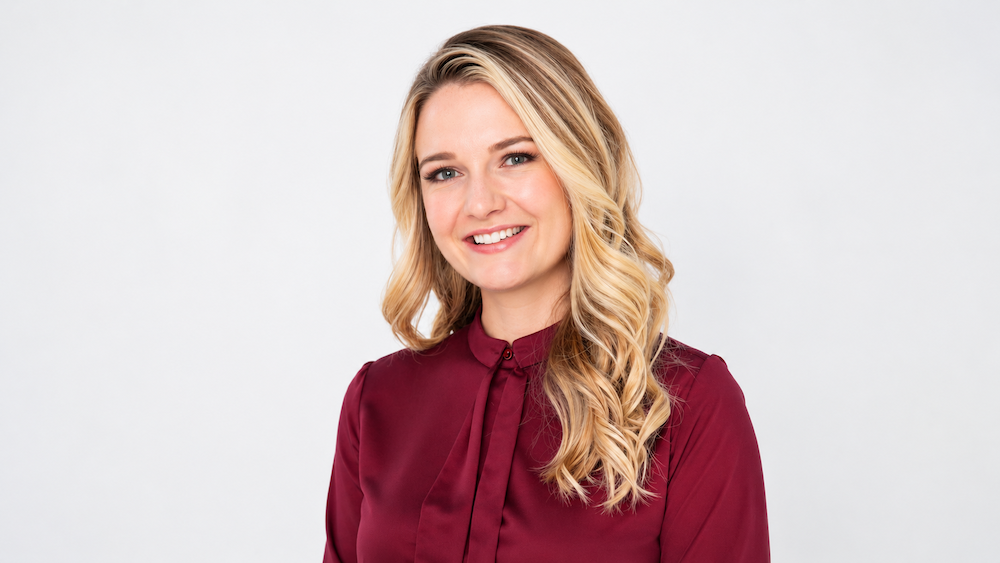
By Suzy Jackson
The nightmare of any commercial team: the gap between a pilot and a signed, paid agreement.
In my experience, this is where most deals in women’s health fall apart, and the numbers show the strain.
Femtech’s share of digital health funding has fallen to 7.6 per cent in Q1 2025, from 14.7 per cent in 2020.
Femtech ventures already produce nearly twice the clinical evidence of the digital health average, and still struggle to get paid.
And flagship brands have faltered: the UK’s Elvie entered administration and was sold to US rival Willow, despite much promise and fanfare.
So, in an age of seemingly boundless optimism about AI’s power to reframe health for billions of women, what is the issue?
My view is that women’s health has less of a clinical problem (though research into women’s health broadly remains chronically behind) than a commercial one.
Need Is Not Value
Many of the struggles I see women’s health companies battling now are around what constitutes value.
So much of women’s health is framed as the right thing to do, much needed, or a critical gap, but many companies in the space have the unenviable task of translating this into often dramatically different commercial terms.
Employers consider metrics like retention or absence (for example, an estimated US$1.8BN in lost work time per year in the U.S. due to menopause, according to Mayo Clinic), pharma thinks about first fills and adherence, and payers consider cost avoidance or plan differentiation to drive covered lives.
This means that, to a far greater extent than in the rest of digital health, women’s health companies have to perform the mental gymnastics of figuring out pricing and positioning for each segment they wish to do business with, and under what parameters, to prove that women’s health can go beyond a “nice to have” for payers, pharma, and employers.
Midi Health is a great example of threading this needle: its US$1BN valuation rests on its insurance-covered, direct-to-consumer model, which allays concerns that a cash-pay-only model is accessible only to the few, and moves it firmly out of the luxury and niche bucket.
Pharma Experimentation
While considering the right commercial path, it may behoove founding commercial teams to consider what pharma has to offer, in the form of both cautionary tales and new ecosystem builds.
I’ve spent most of my career alongside pharma commercial teams, and this is one of the most interesting and perplexing moments I’ve seen for them.
They are fundamentally asking who they want to be to a patient, and how they show up in an age of AI and high consumer expectations.
Astellas spent heavily to make women aware of Veozah, including Super Bowl airtime, but insurer reimbursement didn’t keep pace, and a liver-safety boxed warning added a monitoring burden.
Together, these dramatically dogged the product.
My bet is that Bayer’s Lynkuet will find its real differentiator less in its celebrity face than in its partnership with BlinkRx: pricing, savings, and dispensing in one flow.
Time will tell whether an all-in-one flow, from patient access to fill, is the deciding factor.
Unique Support Needs
When I think about women’s health, it’s almost impossible not to think longitudinally, in a way that doesn’t apply to other segments of the digital health ecosystem.
Perimenopause and menopause can last for years, fertility treatments have dramatic mental health impacts, and women’s cancers have multifaceted, whole-body effects, including impacts on fertility.
To win commercially in women’s health, every support program will have to think the same way, treating patient drop-off points, comorbidities, emotional and financial burdens, and access as contributors to top-line results.
This will require net-new, paradigm-breaking partnerships between pharma, payers, care delivery organisations, and employers, as well as new models of care, new devices and monitoring approaches, in-home care, and new customer support models.
In real terms, I think of my own IVF journey: late nights down Reddit rabbit holes on the specifics and success rates of particular procedures, and googling clinic ratings to choose the best care.
Endless phone calls to grapple with prior authorisation requirements, and misaligned bills and payments to untangle. I wasn’t alone.
Research shows that burden of care is the primary reason insured women stop IVF treatment.
Now imagine a world where a digital health company orchestrated all of that, with clear benefits for the patient and clear returns for those who pay: employers get calmer, more focused employees, payers get better control over costs, and pharma can deliver co-pay assistance and first-fill support directly.
Closing Thoughts
When you’re building your next pilot and worrying about the step from pilot to purchase order, consider these three things:
1. What, ultimately, does value mean to this company? 2. Why is this patient coming back in years three and four? 3. What buyer conversations can I connect to change the game?
Only then will the transition feel like a fait accompli rather than a hope and a prayer.
About Suzy
Suzy Jackson is a digital health and life sciences commercial executive.
She most recently served as Chief Commercial Officer of RVO Health, a UnitedHealth Group joint venture, where she built the company’s B2B2C digital health division from zero, commercial model, product strategy, and pharma partnership pipeline, in 12 weeks, with a direct reporting line to the CEO and board.
Before that, she spent 13 years at Accenture, rising from Analyst to Managing Director, ultimately leading North America’s Life Sciences Commercial Consulting practice.
She is a 2026 PM360 Elite 100 Transformational Leader, an ICF-certified executive coach, and the founder of an LLC centered on training storytelling & communications – having coached over 1,000 professionals in executive presence and high-stakes communication.
She currently sits on the board of 2 domestic violence / gender equality focused non-profits.
 Amazon launches US$100m initiative to close health gaps
Newsletter
Sign up for free weekly updates
The latest femtech news, research and investment, straight to your inbox.