




Wellness
Police-related stress may affect heart health in black women – study


Police-related stress is linked to markers of cardiovascular risk in Black women in the US, a study suggests.
The research found the association was most pronounced for Black women concerned about potential interactions between their children and police.

The study recruited 422 Black women aged 30 to 46 in the US and measured the thickness of the inner layers of their carotid artery (which supplies blood to the brain), called intima-media thickness (IMT), a marker of artery wall thickening linked to heart risk.
Researchers at North Carolina State University classified participants into three groups based on their experiences with law enforcement, concerns about their own future interactions with police and concerns about their children’s potential encounters.
Women who reported high concern about their children’s interactions with police had thicker artery walls than women who had personally experienced police harassment but had no concerns for children.
Lori Hoggard is assistant professor of psychology at North Carolina State University and corresponding author.
Hoggard said: “There’s a substantial body of work that suggests stress associated with police brutality has significant adverse health effects on Black people in the US, but the bulk of that work has focused on Black men.
“We wanted to see if there were associations between police-related stress and adverse health risks in Black women.
“One key takeaway here is the role that concern for children plays.
“Women in the No Child Vigilance-High Personal Exposure group, who had experienced first-hand harassment at the hands of law enforcement, had lower IMT thickness than either of the other two groups.
“In other words, even women who had not experienced police harassment, but did have a moderate or high level of concern for how law enforcement might interact with their kids, had thicker IMT measurements than women who had experienced police harassment but did not have concern for children.”
The researchers accounted for age, income and other demographic and medical variables.
Hoggard added: “This study can only show correlation, not causation, but it suggests that the stress caused by worrying about their children’s interactions with police may be greater than the stress that Black women are experiencing with regard to their own potential interactions with police.
“Black women generally have higher rates of cardiovascular disease than their counterparts, and are diagnosed with these health problems earlier.
“This study raises the question of whether vigilance for their children may be a significant contributing factor. That question merits additional research moving forward.
“These findings also underscore the importance of developing policy solutions that can help address the underlying challenges that contribute to these concerns and related stress.”



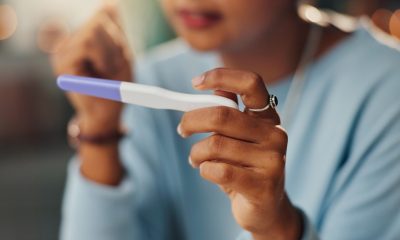










Manchester City has launched a female athlete health platform covering menstrual, pelvic and breast health, as well as nutrition.
The Her City website is designed for the club’s women’s first-team players, coaches, support staff, academy players and parents.
Manchester City says the platform is the first of its kind in the Women’s Super League and was developed over two years.

The project was led by director of performance services Emma Deakin, physical performance scientist Rosie Anderson and PhD student and first-team nutritionist Sarah Malone.
It grew out of PhD research into menstrual, pelvic and breast health and nutrition, with the team seeking to turn that work into an online educational resource.
The website divides the four areas into separate sections and provides peer-reviewed information that the club says has been critically analysed by experts.
Content will continue to be reviewed and updated as further evidence emerges.
Resources include posters, visual explainers, audio materials and downloadable educational content, with information tailored to different groups including players and parents.
The platform aims to improve knowledge, develop critical analysis skills and strengthen communication within football and at home.
It also includes material to help users assess misinformation they encounter on social media or elsewhere.
A confidential contact form allows users to raise concerns or ask questions directly of experts at Manchester City.
Parents of academy players can also access the platform, with resources intended to help them support their children during a key phase of their development.
Manchester City said its longer-term aim is to make the platform available to all women working across City Football Group.



Weight loss surgery was linked to more regular periods and fewer polyendocrine metabolic ovarian syndrome (PMOS) symptoms in women aged 18 to 45 living with obesity in a recent study.
The researchers recommend that women undergoing the procedure have access to preconception care and reproductive counselling to support their reproductive health.
Researchers at the University of Surrey analysed data over 24 months from 84 women who underwent bariatric surgery and 18 women living with obesity who did not have surgery.
Of those who underwent surgery, 49 had gastric bypass procedures and 35 had gastric sleeve surgery.
Women who underwent metabolic bariatric surgery lost more than 30kg on average at 12 and 24 months after the procedure.
Among women with polycystic ovaries, the condition persisted in only 10 per cent after 24 months.
Women also reported a resolution of clinical hirsutism, or excess body hair, by 12 months.
Women who had previously experienced irregular periods reported more regular menstrual cycles after surgery.
Professor Martin Whyte, co-author of the study and professor of metabolic medicine at the University of Surrey, said: “A large proportion of those undergoing bariatric surgery are women of reproductive age, who may be planning a pregnancy in the coming years.
“So much remains unknown about the impact of this type of surgery on women who are planning to have children.
“This raises the question of when the ideal time after surgery is to conceive.”
Women have a higher prevalence of obesity than men, with 57 per cent of women in the UK classified as overweight and 27 per cent living with obesity, which can affect fertility and the health of an unborn baby.
The researchers said 17 women had healthy pregnancies following surgery.
Although this was not specifically examined in the study, no difference in birth weight was observed between babies conceived within or after the first year.
Dr Kathryn Hart, co-author of the study and associate professor in nutrition and dietetics at the University of Surrey, said: “What we have found is that bariatric surgery positively affects the reproductive health of women living with obesity and can improve the likelihood of them having a healthy pregnancy after surgery.
“Dysregulated hormone levels, irregular periods and conditions such as polycystic ovaries are affected by obesity.
“By reducing this, what we have seen is that it can lead to improvements without the need for medication.
“We would suggest that clinicians consider medical intervention for obesity to treat irregularities in the menstrual cycle and issues with fertility.”







 Menopause5 days ago
Menopause may not explain rising heart condition in women – study

 Pregnancy1 week ago
Paracetamol use may impact future fertility, studies suggest

 Entrepreneur2 weeks ago
Last chance to save on Women’s Health Week and Women’s Sport Summit: Early Bird pricing ends 11 September

 Insight5 days ago
Women with birth trauma face 2.5x higher healthcare costs – study

 Menopause2 weeks ago
Cancer drug could tackle osteoporosis menopause weight gain

 Menopause2 weeks ago
Menopause hormone treatment may ease brain fog, study suggests

 Cancer5 days ago
Study could explain why obesity is a breast cancer risk factor

 News4 days ago
Medical cannabis may improve endometriosis symptoms – study
1 Comment