




Wellness

Parenthood is associated with changes in women’s health that are not seen in men, including reduced exercise and differences in wellbeing, new research has revealed. Men’s health indicators varied only slightly depending on whether they were fathers, while the number and age of children were linked to changes in women’s health. Anna Barbuscia, of the [...]

Pharmacies supplied almost 305,000 free morning-after pill doses in the first five months of England’s expanded contraception service. The emergency contraception was provided between October 2025 and March 2026 without women needing to book an appointment with a GP or sexual health clinic, new NHS figures show. The service launched in October 2025 [...]
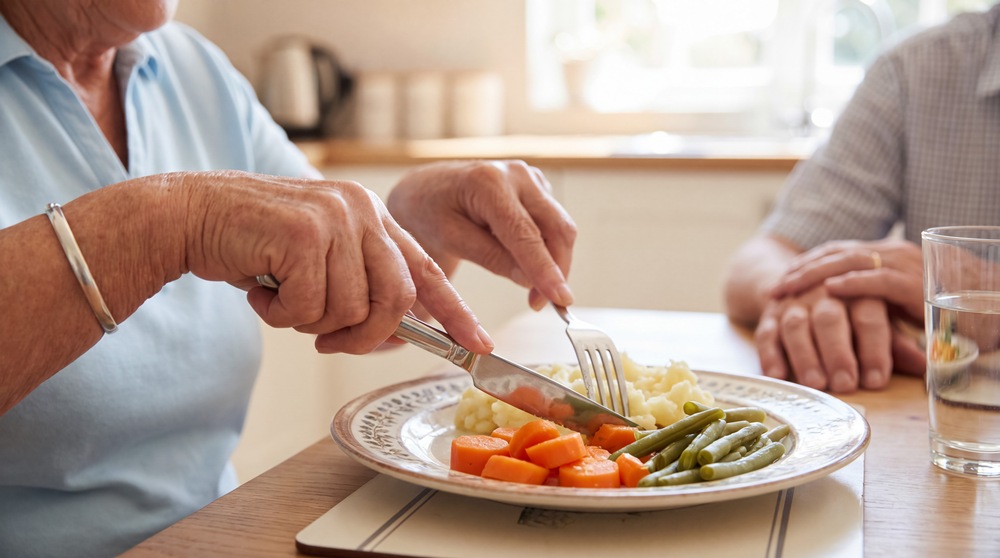
A 20-year study of 66,892 postmenopausal women linked the Planetary Health Diet to lower cardiovascular disease risk. Women whose eating habits most closely followed the diet had around a 28 per cent lower risk of cardiovascular disease than those in the lowest-adherence group. Even moderate adherence to the diet was linked with a lower risk. [...]

Yoga and omega-3 supplements may be as effective as talking therapies for pregnancy depression, a major review suggests. Globally, nearly one in three pregnant women experience depression, but most receive no treatment. When support is available, women are often directed towards talking therapies such as cognitive behavioural therapy, or CBT, and mindfulness. CBT [...]
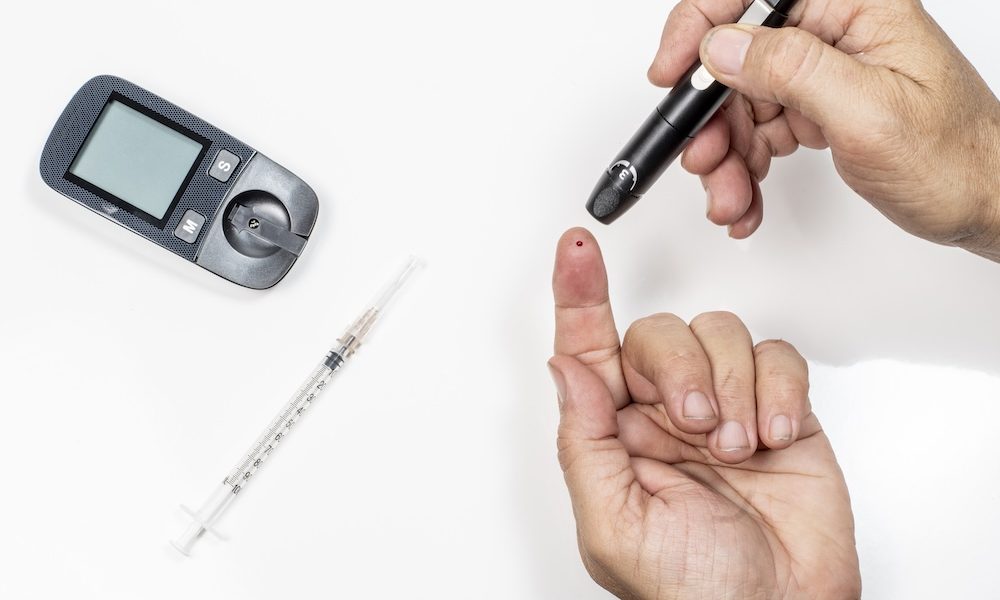
Type 2 diabetes is rising among women in their 20s in England, with experts warning of a worrying increase since the Covid pandemic. The rise has largely occurred since the pandemic and is closely linked to increasing obesity levels, according to an analysis of NHS data from 2011 to 2024. The condition is serious and [...]

AstraZeneca’s breast cancer drug Etcamah has been approved in the EU as part of a combination treatment for advanced disease. The European Commission acted on a positive opinion from the Committee for Medicinal Products for Human Use, the Cambridge, England-based drug maker said. The decision followed positive results from the Serena-6 phase III [...]
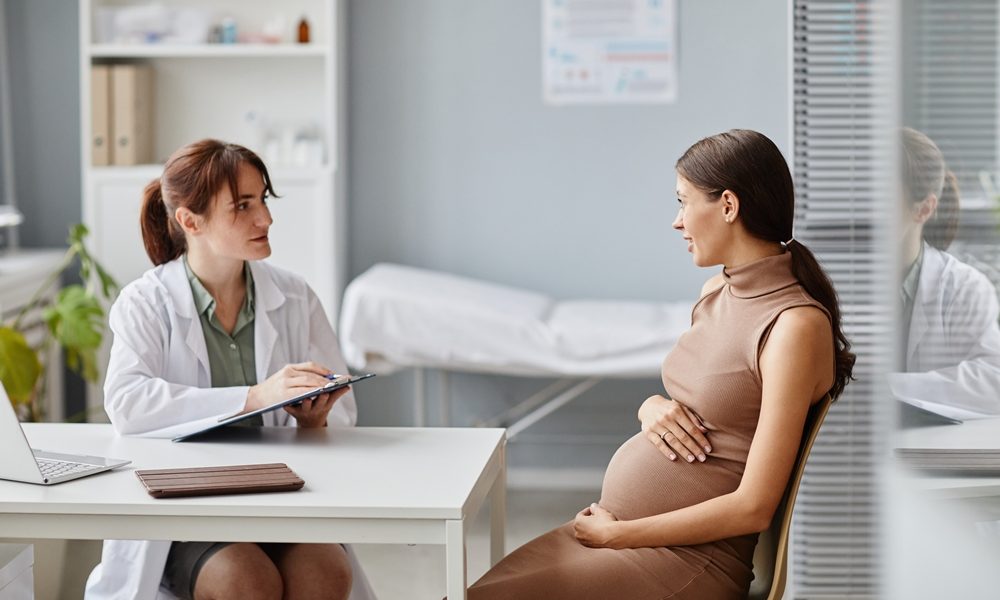
Pregnancy complications may increase women’s risk of peripheral artery disease later in life, new research suggests. The study analysed data from more than two million women in Sweden who gave birth to single babies between 1973 and 2015. Led by Casey Crump, the research examined the long-term risk of peripheral artery disease among women who [...]
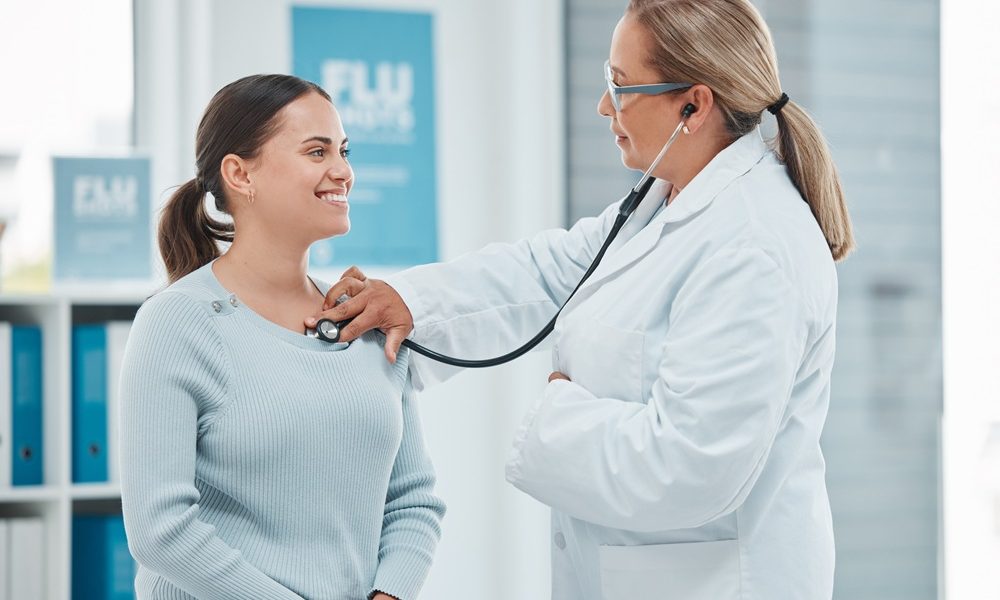
Women with PMOS may have a fourfold higher risk of heart disease, new research suggests. PMOS, or polyendocrine metabolic ovarian syndrome, is a complex hormone condition affecting about one in eight women in the UK. It can affect hair growth, periods, fertility and mood. US researchers analysed health insurance data collected between 2000 [...]

Women newly diagnosed with breast cancer have a 59 per cent higher risk of ischaemic stroke in the first year after diagnosis, research suggests. Researchers also said survivors who develop sudden stroke symptoms, including one-sided weakness, facial drooping, speech difficulties or vision loss, should seek immediate medical attention. The multicentre study analysed National Health Insurance [...]

Nearly six in ten young women get health and wellness advice from influencers, new research shows. Women aged 18 to 29 were more likely than young men to use online influencers for health information. The topics included beauty, alternative medicine, mental health, weight loss and fitness. The Pew Research study found that 57 [...]
Newsletter
Sign up for free weekly updates
The latest femtech news, research and investment, straight to your inbox.




