




News

Long-term exposure to air pollution may increase the risk of breast cancer, with a study of more than 400,000 women showing higher rates in areas with poor air quality. Researchers tracked 28,000 breast cancer cases over several decades, following participants for up to 10 years before diagnosis and monitoring changes in their home addresses. They [...]

Women’s healthcare company Tia, backed by Melinda French Gates, has cut 72 jobs, reducing its workforce by 23 per cent across corporate and clinical divisions. Chief executive Felicity Yost told staff on Monday that the company would downsize as part of a plan to accelerate its path to profitability, according to Business Insider. The cuts [...]

The Menopause Society has secured US$5m from the Steven & Alexandra Cohen Foundation to develop digital training for healthcare professionals. The grant will fund the digital-innovation phase of the NextGen Now initiative, which aims to build a digital ecosystem using advanced technologies to improve education on women’s health in midlife. Launched in June, the initiative [...]

Thousands of people protested in Seville on Sunday after revelations that 2,300 women were not given the results of mammogram tests showing abnormalities that required follow-up care. The demonstrations targeted Andalusia’s regional government after it emerged that women who had mammograms – X-ray scans used to detect breast cancer – at public hospitals in recent [...]

New funding will enable a pilot of a women's pelvic health self-management app, aiming to cut waits and standardise support in NHS Wales. SBRI (Small Business Research Initiative) is a public funding programme that pays suppliers to develop and test solutions for NHS priorities. It has provided backing for getUBetter, a digital platform that guides [...]

Alife Health’s AI-powered embryo selection software has received CE Mark certification under the European Medical Device Regulation (MDR), allowing it to be used in fertility clinics across Europe. The San Francisco-based company said its Embryo Predict system, which supports embryologists in selecting the best embryo for transfer, can now be marketed across EU countries following [...]

Bayer has received US approval for its non-hormonal drug to relieve hot flushes linked to menopause. The US Food and Drug Administration (FDA) has approved Lynkuet for treating moderate to severe vasomotor symptoms – also known as hot flushes – associated with menopause. The approval was based on three late-stage studies that showed Lynkuet reduced [...]
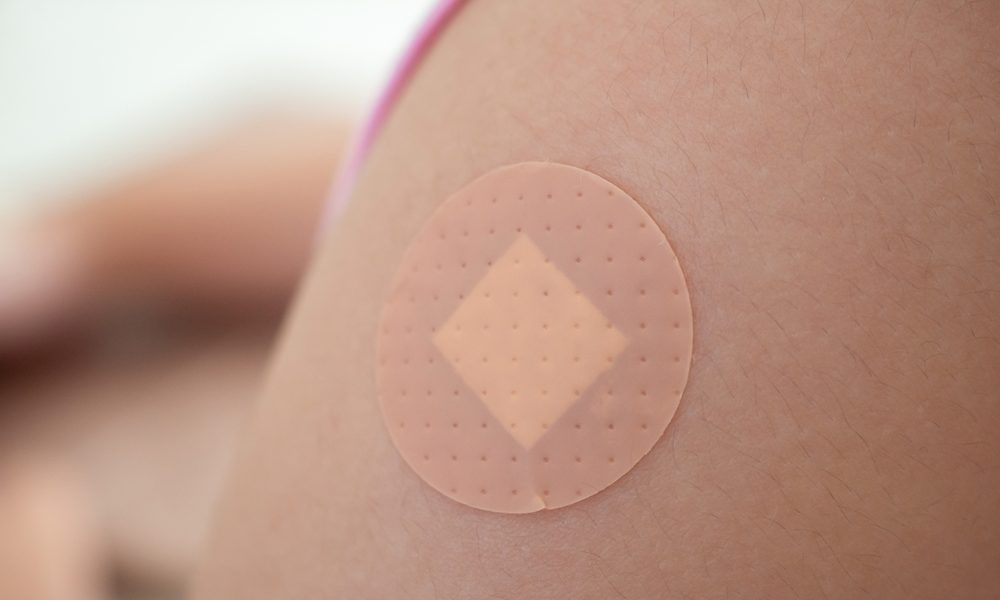
A new testosterone patch has shown positive results in initial Phase 1 clinical testing, offering renewed hope for women seeking hormone therapy. Drug delivery firm Medherant has announced encouraging findings from its Phase 1 trial of the TEPI Patch, carried out at Hammersmith Medicines Research (HMR) in London. The study found that the patch effectively [...]

By Melissa Wallace, CEO & Founding Partner of Fierce Foundry Just a few years ago, so many conversations around women’s health in the U.S. felt like they were still just making the case for why investment mattered. Panels, white papers, TED-style talks pointed to under-funding, data gaps, structural bias. But something has shifted. Across healthcare [...]

Just one in five women with breast or cervical cancer in low- and middle-income countries are diagnosed early, compared with more than one in three in wealthier nations. The analysis of data from more than 275,000 women across 39 countries shows stark inequalities in cancer detection and treatment between high-income countries (HICs) and low- and [...]
Newsletter
Sign up for free weekly updates
The latest femtech news, research and investment, straight to your inbox.




