




Research

An AI tool could help spot breast cancer risk by analysing how individual breast cells behave when squeezed under stress, research suggests. Researchers at City of Hope and the University of California, Berkeley, created a microfluidic platform that assesses women’s breast cancer risk at the cellular level. The platform squeezes individual breast epithelial cells, which [...]

An experimental drug slowed triple-negative breast cancer in mice by flooding tumour cells with toxic fats. Triple-negative breast cancer lacks three common drug targets, making it one of the hardest-to-treat and most aggressive forms of the disease. The compound, known as DH20931, appears to push cancer cells past their limits by triggering a surge in [...]
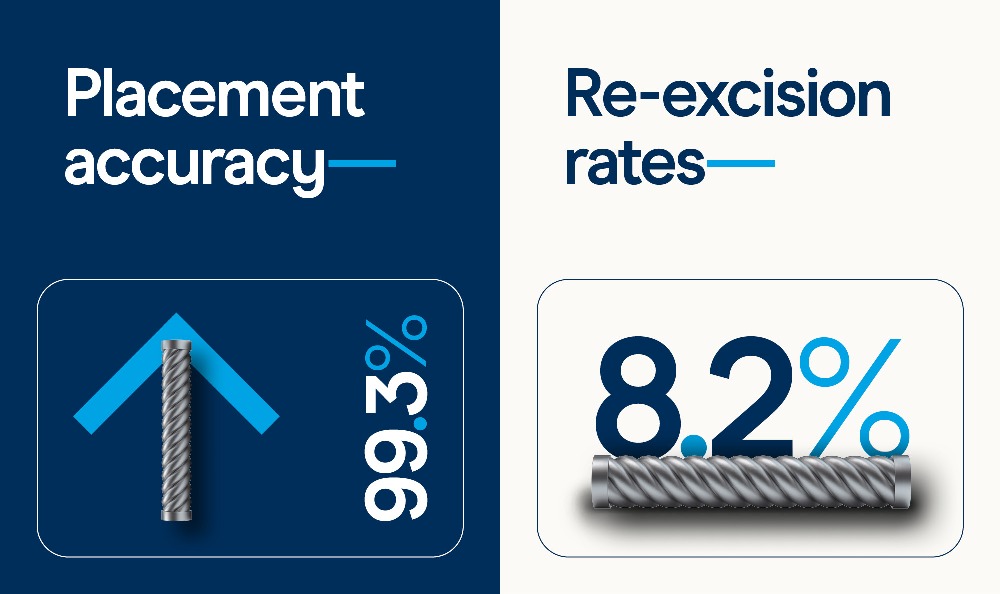
An independent meta-analysis from January 2026, pooling 2,117 patients and 2,176 Magseed marker placements, has reported low re-excision rates (8.2%) and low positive margins (7.6%) when the marker is used to localise non-palpable breast lesions prior to breast‑conserving surgery (BCS). Al Darwashi et al. (2026) pooled 16 studies to evaluate safety and efficacy outcomes when the [...]

Poor mental health, poverty and pollution can raise women’s heart failure risk, with up to one in four cases potentially preventable, a study has found. UK Biobank data from more than 230,000 women suggest that depression, socioeconomic hardship and exposure to polluted environments are linked to a significantly higher risk of heart failure in women. [...]

A University of Sheffield initiative is tackling overlooked women’s health problems by helping students develop solutions to delays and inequalities in care. In a first-of-its-kind collaboration bringing together students, clinicians and industry leaders, new ideas have been developed to address health challenges that leave millions of women facing years-long delays in diagnosis and care. The [...]

Resistance training improves hip strength, balance and flexibility during menopause and may also improve lean body mass, research suggests. A study of 72 active women aged 46 to 57 found those who completed a 12-week supervised programme saw greater gains than those who kept to their usual exercise routines. None of the participants were taking [...]

Women with osteoporosis may be more likely to carry a gene linked to Alzheimer's, according to new research. Scientists found that APOE4, the most common genetic risk factor for Alzheimer's, can weaken bone quality in women, even when standard scans appear normal. The study, carried out by researchers at the Buck Institute for Research on [...]
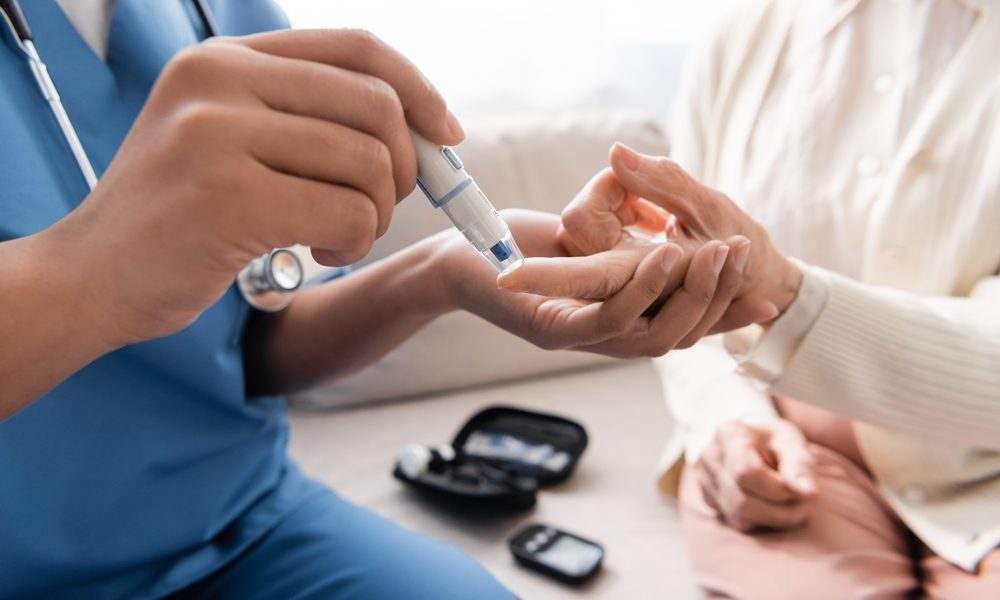
Women with diabetes are less likely to get preventive care than those without the condition, a UCLA-led study suggests. The findings are based on an analysis of more than 40 studies from several countries. They highlight how physicians largely overlook the importance of these routine services for women who have diabetes mellitus, or DM, putting [...]

Women who stay active through midlife have about half the risk of early death from any cause as women who remain inactive, a study suggests. Physical activity is known to bring a range of health benefits and lower the risk of chronic disease and premature death. But most earlier studies measured activity at only one [...]

Inflammation may help flag depression in women with type 2 diabetes, new research reveals, but the link appears to vary by symptoms and by how depression is measured. The findings suggest both the promise and the challenge of identifying biomarkers, measurable indicators in blood or other tests, for depression. Women with type 2 [...]
Newsletter
Sign up for free weekly updates
The latest femtech news, research and investment, straight to your inbox.




