




Research

Women experienced greater declines in mental and physical health than men during the Covid-19 pandemic, new research has found. They reported eating fruit less frequently, smaller reductions in alcohol consumption and a sharper rise in psychological distress compared to men over the same period. Before the pandemic, women appeared to benefit more from healthy lifestyle [...]
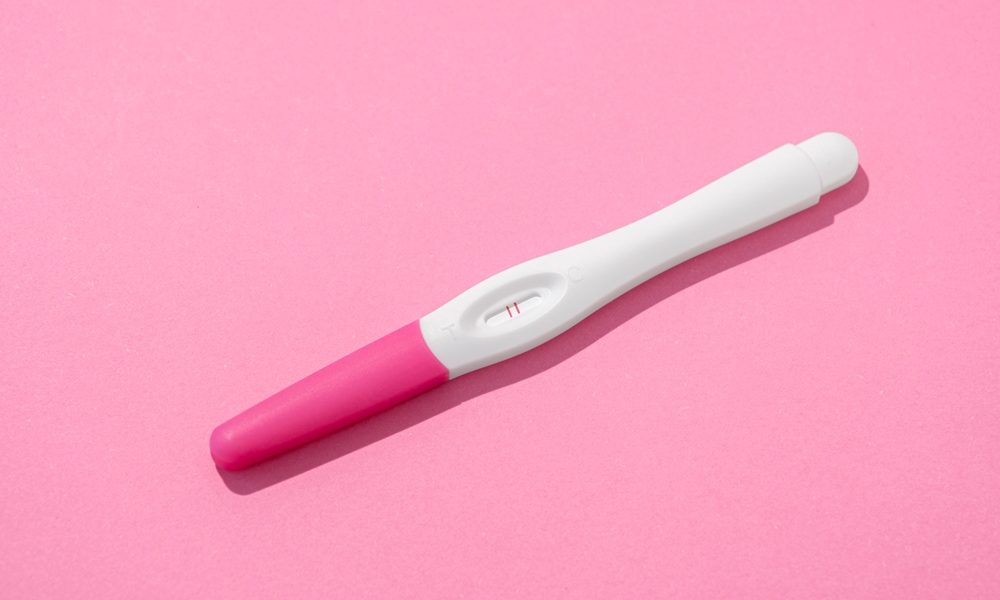
Women with infertility linked to endometriosis are four times more likely to become pregnant than those with infertility from other causes, a 30-year study has found. The findings analysed health records from more than four million women in England. The data showed that 40.5 per cent of those diagnosed with endometriosis had at least one [...]

Children born by planned caesarean section may face a 21 per cent higher risk of developing acute lymphoblastic leukaemia (ALL) later in life, new research has found. The risk was even higher for B-cell acute lymphoblastic leukaemia (B-ALL) – the most common form of childhood blood cancer – with a 29 per cent increased risk [...]

Uterine cancer cases could rise by as much as 53 per cent by 2050, with diets high in junk food and obesity rates believed to be driving the increase. Deaths from the disease are forecast to rise by between 83 and 98 per cent over the next 25 years among women aged 18 to 84. [...]

Lower levels of a gut microbe may help explain why women with polycystic ovary syndrome (PCOS) experience fertility issues. New findings suggest that women with PCOS have around half the amount of a gut bacterium called Parabacteroides merdae compared to those without the condition. PCOS is the most common hormonal condition in women of reproductive [...]

Problems with the womb lining before pregnancy may help explain why some women experience multiple miscarriages despite having healthy embryos, UK researchers have found. The study, which analysed over 1,500 biopsies from more than 1,300 women, identified a recurring issue with a biological process called the decidual reaction. This monthly transformation of the womb lining [...]

People with autoimmune diseases face nearly double the risk of depression, anxiety and bipolar disorder, with women significantly more affected than men, large-scale UK data shows. An analysis of 1.5 million participants from the Our Future Health dataset found that 29 per cent of those with autoimmune conditions self-reported a diagnosis of a mental health [...]

Pregnant women who vape are exposed to lower levels of toxic chemicals than those who smoke, new research led by scientists at City St George’s, University of London has found. The study recorded reductions ranging from 44 per cent to 97 per cent in levels of harmful substances among women who exclusively vaped compared with [...]
A healthy gut microbiome before chemotherapy may help protect breast cancer patients from heart damage caused by treatment, new research suggests. Scientists found that specific gut bacteria were linked to biomarkers associated with increased risk of cardiotoxicity – damage to the heart muscle as a result of cancer therapies. The study examined the gut microbiome [...]

Exposure to wildfire smoke and extreme heat before or during pregnancy may increase the risk of babies being born smaller than expected, particularly in climate-vulnerable neighbourhoods, new research suggests. The study found that women exposed to these conditions as early as the month before conception were more likely to give birth to small-for-gestational-age (SGA) babies [...]
Newsletter
Sign up for free weekly updates
The latest femtech news, research and investment, straight to your inbox.




