




Insight
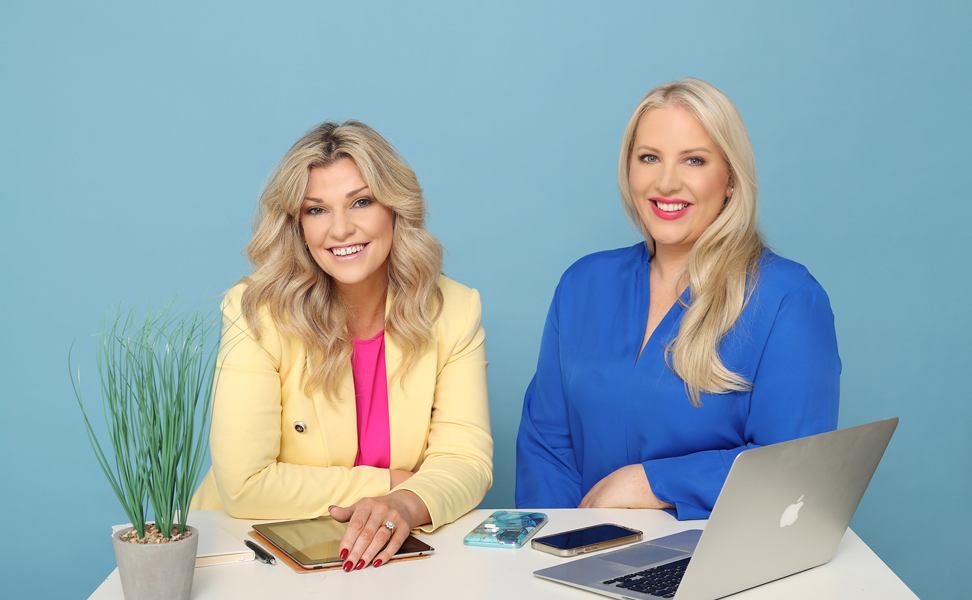
KEY founder, Donna Ledwidge, tells FemTech World why education is vital in understanding women's bodies Period cramps made Donna Ledwidge dependent on painkillers every month. "I couldn't survive without them," she remembers. "I had every symptom you can imagine and it was really affecting my life." She was aware of the numerous side effects of [...]

Kaleidas' Kathleen Giuliani tells FemTech World how the community-based platform is aiming to improve menstrual care and break down taboos "Kaleidas comes from kaleidoscope," Kathleen Giuliani tells me at the start of our interview. "A kaleidoscope allows anyone who looks into it to have their own vision and this is what we aim to do [...]

After researchers labelled the term 'morning sickness' as 'inaccurate', a pledge campaign is calling for the phrase to be replaced. Nausea and vomiting in pregnancy is usually called ‘morning sickness', but a recent study led by the University of Warwick has shown that the term tends to trivialise the condition. Symptoms have been described as [...]

As LatchAid raises £1m to grow its breastfeeding app, Dr Chen Mao Davies tells FemTech World how the company aims to support new mums on their journey. With an app that can show you everything you need to know, teaching new mums practical skills to help them breastfeed has never been easier. LatchAid is an [...]
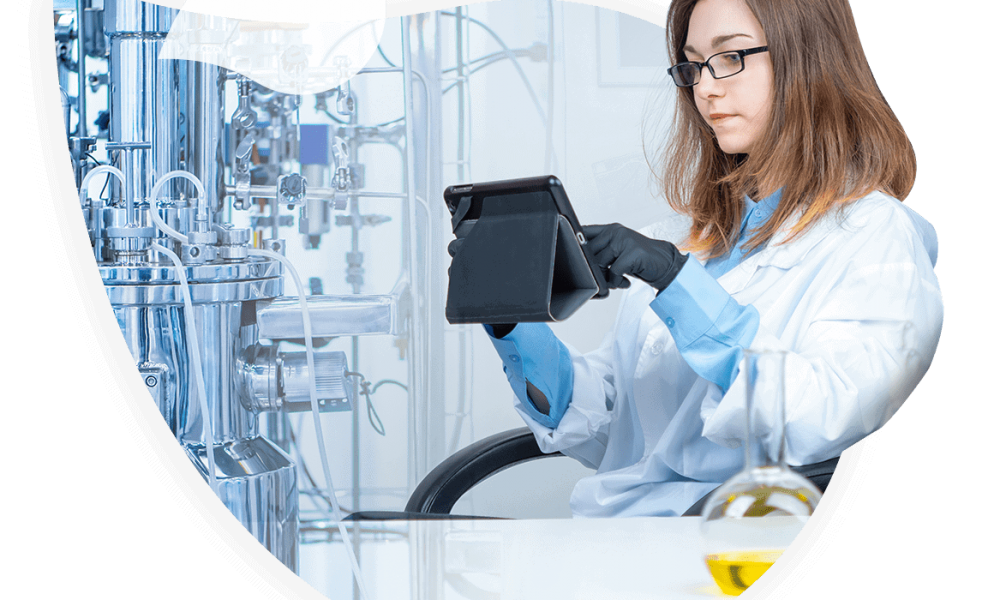
By replicating milk-producing cells of humans, an Israeli start-up is developing a sustainable breastfeeding alternative to offer nutritional support to infants. Wilk develops technologies for producing cell-based milk secreted from mammary epithelial cells, which are found in the mammary glands of both humans and animals. After collecting the mammary gland tissue, the milk-producing cells are [...]

As SteelSky Ventures raises the world's largest women's health VC fund, Femtech World asks founding partner Maria Velissaris how this could unlock new growth opportunities. In a world where Covid has catalysed telemedicine and digital healthcare, investment in technology infrastructure is needed more than ever. The close of a US$72m fund makes SteelSky the world's [...]
Ahead of this week's Women's Health Innovation Forum, Priya Oberoi tells Femtech World how the conference could shape the future of femtech and start a dialogue around gender inequality. Last year Scotland became the first country in the UK to have a Women's Health Plan designed to improve access to healthcare and reduce women's health [...]

This is the first study to demonstrate the superiority of digital therapeutic devices over Kegels alone in treating urinary incontinence.

Over 40 brands have signed a petition highlighting their experiences with censorship online

With one in four women accessing abortion during their lifetimes, we examine if femtech's interest in fertility could provide options for abortion aftercare Femtech is taking on the fertility market by providing options for women who have been disappointed by the care already on offer. One of the ways in which it excels in considering [...]
Newsletter
Sign up for free weekly updates
The latest femtech news, research and investment, straight to your inbox.




