




News
Alife Health launches app to support IVF patients
The new app includes reminders, educational resources and timelines to support patients through the IVF process


The US fertility company Alife Health has launched its mobile app to help patients undergoing IVF treatment.
The app, available for all iPhone users, offers test result tracking, medication and appointment reminders, educational information, and a timeline to help couples prepare for next steps on their IVF journey.
Research shows that the process of assisted reproduction is often associated with increased anxiety, depression and stress and can impact people’s self-esteem and confidence.
On top of an already physically and emotionally onerous process, IVF patients carry the mental burden of managing their medications, appointments and, in some cases, insurance claims.
“Beyond just creating AI software to enhance IVF outcomes on the clinical side, our team recognised the need to provide patients with better tools as well,” said Paxton Maeder-York, CEO of Alife.
“We understand the stress that comes with managing the IVF process, from keeping track of loose paperwork to countless medication alarms.
“To alleviate this burden, we developed the Alife app – a comprehensive tool that enables patients to easily manage their IVF journey straight from their phones.
“By consolidating everything they need in one place, the Alife app empowers patients to stay informed and feel in control, which we hope will ultimately lead to a more positive and stress-free experience.”
Halle Tecco, women’s health leader, Alife advisor and IVF patient, said the time commitment needed to manage this process can be the equivalent of a part time job.
“The Alife app is the first resource for IVF patients that is truly built around the patient experience and fills gaps in the process.
“From pure organisation to empowering patients with education on each step, the Alife app is a one-stop-shop for simplifying IVF management.”



The Women’s Health Innovation Summit (WHIS), the event uniting the global women’s health ecosystem, has just announced 18 new speakers joining the agenda for its 2026 summit, taking place October 13–15 at Encore Boston Harbor.
The latest additions bring further depth across pharma, clinical research, health systems, venture, and policy, reinforcing WHIS’s role as the only platform where the full women’s health ecosystem convenes under one roof.
Newly confirmed speakers include:
- Kelle Moley, MD – VP, Women’s Health Early Phase Clinical Development, Cardiometabolic Research, Eli Lilly & Company
- Justine Levin-Allerhand – Executive Partner, Chief Corporate Development Officer & COO, Flagship Labs, Flagship Pioneering
- Sebnem Yildirimoglu, MD, PMP – Executive Director, Women’s Health Strategy, Premier Research
- Terri Stewart – Head of Global Healthcare & Government Affairs, EMD Serono
- Dr. Morag Grassie – Executive Director, Blavatnik Fund for Innovation, Yale
- Sandra Butler – Director, Design Impact, Mass General Brigham
- Zhenya Lindgardt – Chief Executive Officer, Sera Prognostics
- Sadie Morahan – Head of US Revenue, Withings Health Solutions
- Angela Drew, PhD – Vice President, Regulatory Strategy, Premier Research
- Dr. Stephanie Lahr – CMIO, Aqurio
- Michelle Andrews – Contributing Writer, KFF Health News
- Charlotte Williams – CEO, My Bump Hub
- Clint Dart, MS – Director, NIH Women’s Health Data Coordinating Center, Premier Research
- Cass Sanford – US Venture Advisor, FemTech Lab
- Megan Mukuria – Founder & CEO, ZanaAfrica
- Tiffany Inglis, MD, FACOG – Chief Medical Officer, Sera Prognostics
- Angelean Hendrix, PhD – Vice President, Pharmacometrics and MIDD, Premier Research
- Amanda Ducach – CEO & Co-founder, EmaEQ
“WHIS is where the women’s health industry comes together to take action,” said Poppy Howard-Wall, Event Director at WHIS.
“This latest wave of speakers reflects exactly the kind of cross-sector expertise our attendees expect – from global pharma and clinical research leadership to venture, health systems, and grassroots innovation.
“It’s this breadth that makes WHIS the room where things actually move forward.”
Bringing the Full Ecosystem Together
These additions join a growing 2026 agenda spanning four content tracks that reflect the full lifecycle of healthcare innovation, from early-stage research and development through to patient delivery, system transformation, and commercial scale.
Attendees can expect over 1,000 senior decision-makers, 120+ expert speakers, four dedicated stages, and more than 10 hours of curated 1:1 meetings.
Full speaker and agenda details are available at whisusa.com/speakers-2026.
About WHIS
The Women’s Health Innovation Summit is the only platform uniting the full women’s health ecosystem – providers, payers, employers, pharma leaders, investors, and innovators -to increase deal flow, expand reimbursement, improve access, and deliver better outcomes for women at every stage of life.
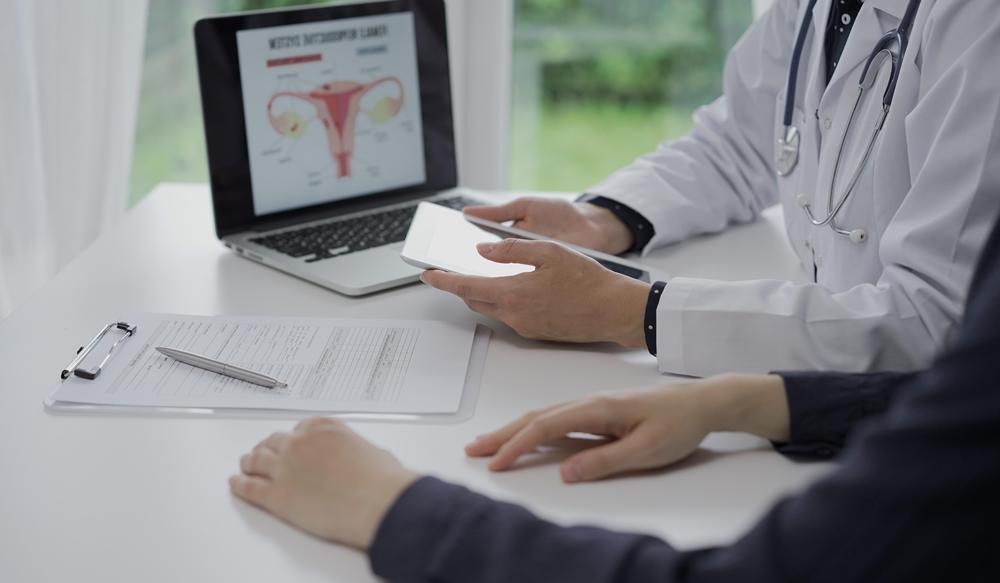
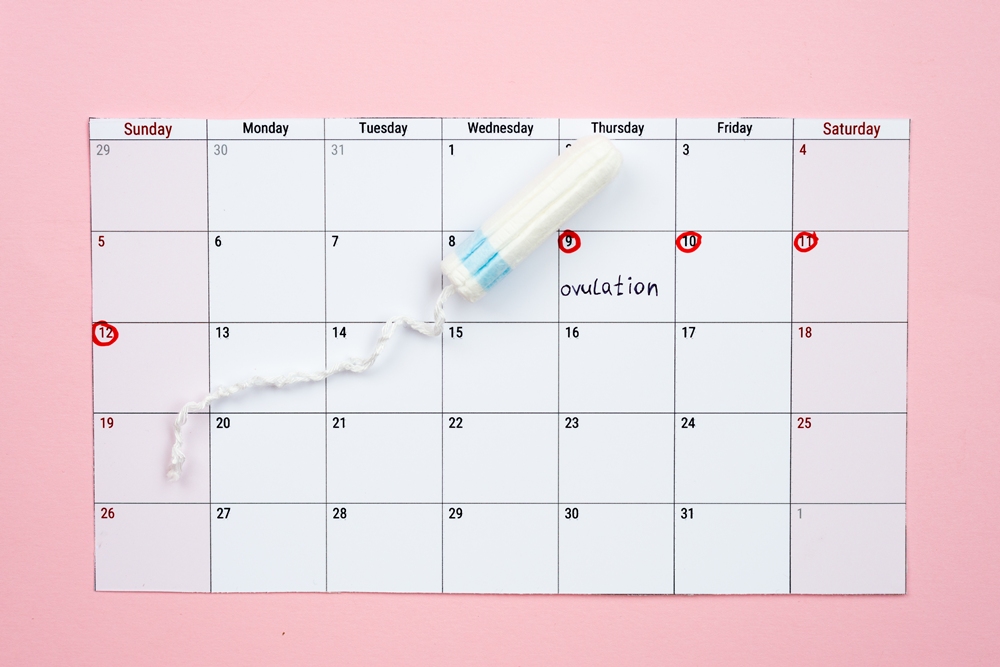
Nearly a quarter of women often miss work because of menstrual symptoms, according to a survey examining hormonal health among women in full-time work in Ireland.
The survey looked at the impact of menstruation, fertility and motherhood, and perimenopause and menopause.
Research from The Menopause Hub found more than one in three women who had not disclosed a menstrual health issue at work said the lack of a clear workplace policy was the reason.

More than a quarter said they did not think their concerns would be taken seriously, while 22 per cent cited embarrassment and 18 per cent feared being judged.
Nearly half of respondents said better workplace support would have made them feel less stressed, while 40 per cent said it would have made them feel more valued. Some 36 per cent said they would have felt more comfortable speaking up.
Some 76 per cent of women surveyed said they experienced menstrual health issues, with 23 per cent of those often missing work because of symptoms.
Nearly half of respondents, 49 per cent, said they felt uncomfortable talking about menstruation at work.
One respondent said: “As a woman, we try to get through the day, sometimes in pain that can’t be seen. We feel emotionally and physically drained.”
The research also found that 62 per cent of those who experienced baby loss reported a moderate or significant impact on work attendance.
More than half of respondents who experienced depression during pregnancy also reported a moderate or significant impact on attendance.
Some 63 per cent of mothers said it was “difficult” to return to work after pregnancy, while nearly half said their maternity pay arrangement had negatively affected their financial wellbeing.
One respondent said: “I almost walked away. The only reason I stayed was because I had to provide for my family.”
The survey also found that nearly half of respondents said menopause had some impact on their attendance, while more than six in 10 reported an impact on their work performance.
Some 44 per cent of women said they were “uncomfortable” discussing perimenopause and menopause at work.
One person said they were “already terrified of losing my job at my age:
“I need to just struggle through this without support or acknowledgement. That’s basically workplace discrimination.”
The Menopause Hub chief executive Loretta Dignam said women’s hormonal health has been treated as a “private or personal issue” for too long, “when the reality is that it has a very real impact on women’s working lives”.
“The fundamental point is that women are not ‘mini men.’
“Our biology is different, and workplaces that were largely designed around a male model of health and working life need to evolve to recognise that.
“What is striking is how many women continue to show up, perform, push through and progress at work while managing significant physical and emotional symptoms, often without the policies, understanding or practical support they need,” Dignam said.
She added that because expectations are changing, Gen Z and Gen Alpha employees will be “far less willing than previous generations to accept workplaces that ignore their health and wellbeing”.







 Entrepreneur2 weeks ago
Applications close August 18 for Women’s Health Innovation Summit 2026 Innovation Showcase

 Menopause2 weeks ago
Third of women unaware of perimenopause mental health impact

 Fertility1 week ago
Chelsea FC Women to launch first-of-its-kind player fertility fund

 Mental health2 weeks ago
Menopausal hormone therapy may lower dementia risk, study suggests

 Opinion1 week ago
anna perimenopause app launches across 39 markets

 Hormonal health2 weeks ago
We are wrapping our children in plastic and calling it care

 Pregnancy2 weeks ago
Chemicals in plastics may be linked to high blood pressure during pregnancy

 News2 weeks ago
Women with endometriosis face 46% higher risk of type 2 diabetes – study