




Boston start-up welcomes validation of tumour gangliosides as diagnostic markers for ovarian cancer detection
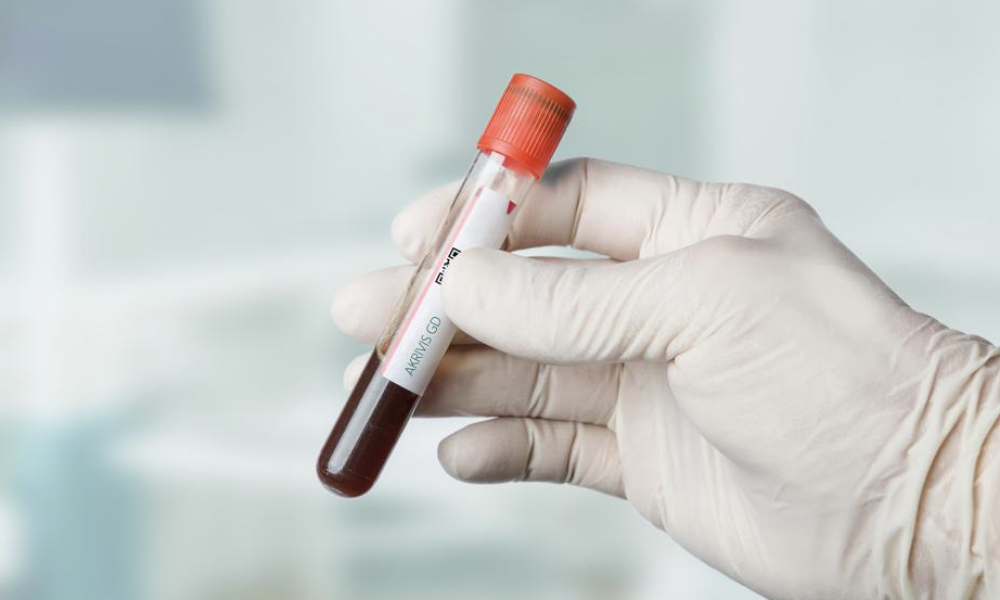
The US biotech company AOA Dx has announced the initial validation of GD2 and GD3 tumour marker gangliosides as novel diagnostic markers for early detection of ovarian cancer.
The start-up has developed a “novel” approach to evaluate tumour marker gangliosides in liquid biopsies for early cancer detection and develop new diagnostic tests.
Its AKRIVIS GD test detected ovarian cancer in all subtypes and stages, including stage I and II – the most challenging stages to diagnose.
According to the company’s data, it achieved an AUC of 0.969 for detection of ovarian cancer in early stages – a significant improvement over the standard of care.

Ovarian cancer is the deadliest gynaecological disease. Up to 95 per cent of women with ovarian cancer have symptoms for many months and consult a doctor, but the average time to diagnosis is nine months.
Detection of ovarian cancer at early-stages has a five-year survival rate of greater than 90 per cent, but when diagnosed at advanced stages, the five-year survival rate is less than 30 per cent.
“Today, ovarian cancer takes the lives of far too many women. The challenge of early diagnosis has been one that many have tried to tackle, but until today, we haven’t seen anything with the potential to catch the disease in early stages,” said Oriana Papin-Zoghbi, CEO and co-founder of AOA Dx.
“Our initial validation of AKRIVIS GD shows promising results, and an exciting first step towards improving the early detection of ovarian cancer.”
Professor Uri Saragovi, principal investigator, said: “Our research on tumour marker gangliosides over the past years has shown their potential as top targets for early detection of cancer.
“In our latest research, we were able to correctly identify disease in over 90 per cent of early stage subjects.”
The developers say AKRIVIS GD may enable detection of malignancy helping expedite workup and treatment plans and its validation could alleviate costs and increase survival rates.
The news of the initial validation comes weeks after the start-up announced a US$7m funding round to bring to market its first diagnostic test.


Newsletter
Sign up for free weekly updates
The latest femtech news, research and investment, straight to your inbox.




