



Connect with us

Menopause

“Menopause can no longer be ignored if we are to close the gender health gap”

By Harriet Bradley, NHS GP and medical director at Kry Livi

Published

on

Despite 13 million women in the UK experiencing perimenopause or menopause, awareness and understanding of this transformative life stage remains behind the curve.

A natural part of female ageing, menopause marks 12 months since a woman’s last period and the end of her reproductive years. During this time, many women experience symptoms that can be intrusive to their daily lives, such as hot flushes, poor sleep and concentration and low self-esteem.

Mental health can also be negatively impacted. And these symptoms can start well before you’ve reached menopause – perimenopause marks the first changes you experience when your hormone levels shift, the average age of perimenopause is 47.5 years, but it’s different for everyone.

These symptoms are compounded by the challenges menopausal women continue to face when it comes to areas such as access to specialist healthcare, relationships and careers.

In a post #MeToo world, menopause and women’s health more broadly should not be an afterthought. More needs to be done to breakdown the barriers for menopausal women and support them through this time.

Dealing with mental health impact
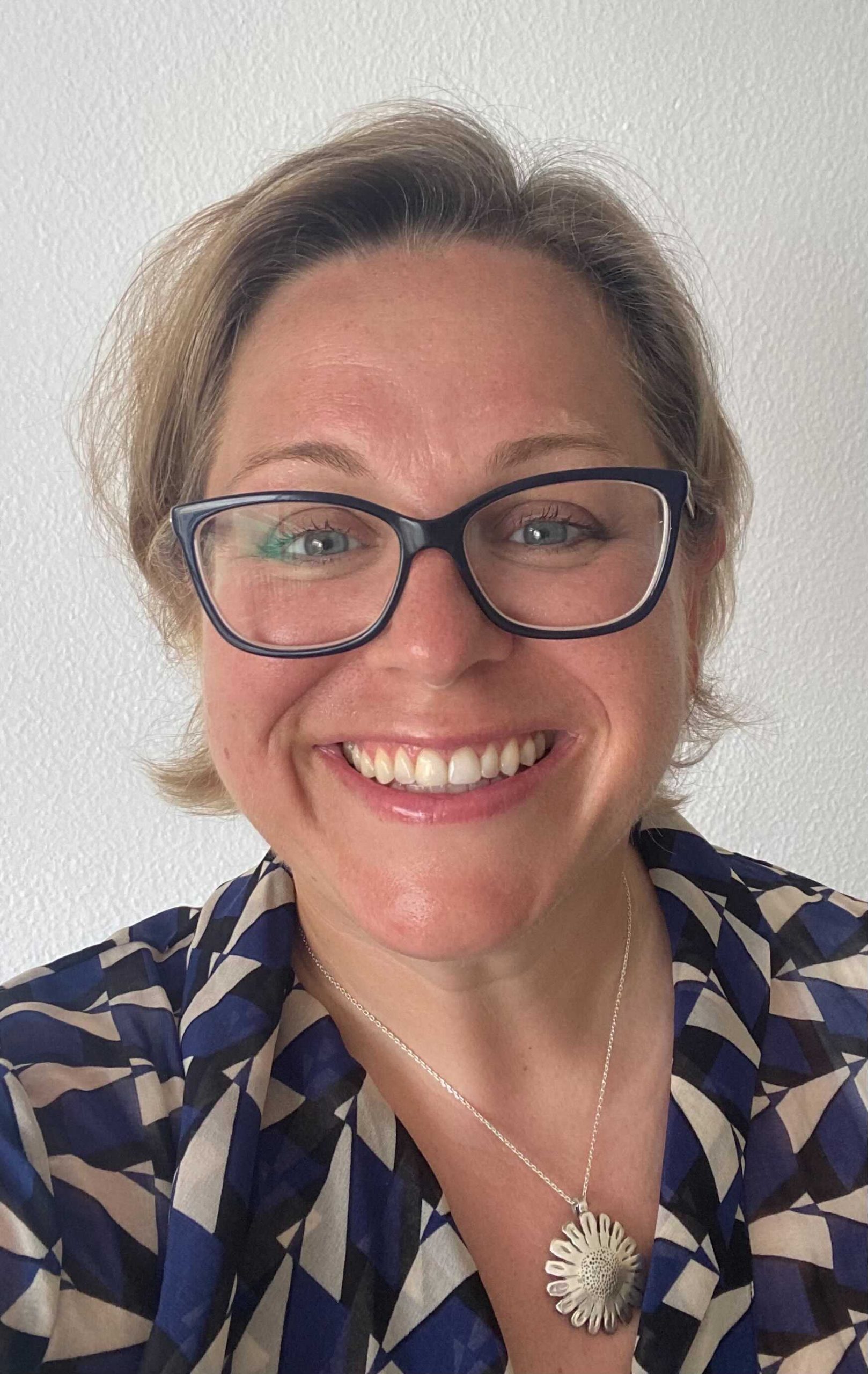
Dr Harriet Bradley

While menopausal women face a myriad of physical symptoms, a significant and less visible challenge is the effect on mental health. As hormones fluctuate, women can experience mood swings, anxiety and/or depression.

According to the Menopause and the Workplace report, produced by the House of Commons Women and Equalities Committee, over 60 per cent of women experienced anxiety or depression as a menopause symptom, while nine per cent say they had suicidal ideation.

Menopause also affects emotional wellbeing with a study by Family Law Partners finding that 80 per cent of women say perimenopause/menopause symptoms put a strain on their children and/or family life.

Many women find themselves managing these symptoms while trying to continue work and family life as usual, leaving them in a no-win situation.

While many of these health issues are inevitable, better access to specialist services is key to alleviating symptoms.

Additionally, increased awareness and support from family members and employers is crucial for improved wellbeing during the menopausal transition.

Barriers to appropriate healthcare

Disparity in access to specialist menopause services is a key issue and British women face a postcode lottery with 58 per cent unable to access services locally.

While GPs are well placed to deliver primary care for most menopausal issues, specialist support is sometimes required.

Yet, depending on location, women face a disparity in the level of care offered and stretched resources mean that women experience delayed access to specialist healthcare.

There also appears to be a menopause education gap amongst GPs whereby 30 per cent of women feel their doctor doesn’t know enough about it. Training issues can be addressed through ensuring menopause education is delivered at all stages of medical training.

The toll on working women’s careers

Women of menopausal age – on average between 45 and 55 – are the fastest growing demographic in the UK workforce. Yet many of these experienced and highly qualified women are considering leaving or have left work because of their menopausal symptoms and the lack of support from employers.

One million women in the UK have left their jobs due to menopause, which has knock on effects on household finances, the gender pay and pension gaps as well as the number of women in leadership positions. More importantly women are forced to leave their careers early, often with detrimental impacts to their finances, health and self-esteem.

In my industry, 30,000 female doctors in the menopausal range have significantly reduced their hours or left medicine altogether. This is a worrying statistic – in addition to the loss in medical workforce at a time when we need more doctors.

Without female healthcare professionals who have lived through and understand patient needs, menopausal care will likely worsen. It also leaves fewer women in the profession to advocate for better employer support.  So, what can be done to help address these challenges?

Increasing understanding and the reach of health services

Digital health can play an integral role in scaling and improving menopausal care, helping to overcome accessibility issues and provide greater education and information. For example, video GP appointments can reach those in areas where access is otherwise difficult, thereby helping to mitigate the disproportionate menopausal barriers caused by the postcode lottery.

Online resources and tools are a great way to empower patients and upskill GPs by providing them with the most up-to-date information for effective menopausal treatment. Adaptive digital content and information enables healthcare professionals to provide tailored resources and personalisation to help women get on the right treatment pathway.

Livi, for example, offers on demand virtual training sessions covering topics from menstruation to menopause, for healthcare professionals and GPs across the UK.

Cultivating inclusive environments

Better education and awareness are also needed for employers, colleagues and family members to reduce the burden on individuals and create supportive and inclusive environments both at work and at home.

Workplace menopause policies can also help to provide recognition, remove stigma and encourage conversations, as well as clearly signpost support. Lastly, employers should consider flexible and sustainable career options for women.  

As a fundamental part of the female experience, menopause can no longer be ignored – especially if we are to close the gender health gap.

Businesses, governments and the healthcare industry need to work together to increase understanding of menopause and provide access to appropriate healthcare as well as provide better support for women in the workplace.

It is time to properly address the challenges that a significant proportion of women continue to face on a daily basis.


Harriet Bradley is a practicing NHS GP and medical director at Kry, Europe’s largest digital health provider.

Menopause

Menopausal hormone therapy may lower dementia risk, study suggests

Published

on

Women using menopausal hormone therapy had a lower dementia risk, with oestrogen-only users showing fewer Alzheimer’s-related brain changes in a recent study.

Researchers stressed that the findings do not show that hormone therapy prevents dementia, but found women using oestrogen-only treatment had fewer biological signs linked to Alzheimer’s disease.

The observational study also found that women using this form of hormone therapy were less likely to receive a clinical dementia diagnosis.

The study combined clinical data with biomarkers and evidence from brain tissue collected after death to build a more detailed picture of the relationship between hormone therapy and Alzheimer’s-related changes.

The findings contrast with several previous studies reporting that menopausal hormone therapy increases dementia risk.

Dr Hadi Hosseini, associate professor of psychiatry and behavioural sciences at Stanford University in the US and senior author, said: “Our study is unique in that we looked at all the standards of Alzheimer’s diagnosis, including the gold-standard outcome: Alzheimer’s-associated hallmarks in autopsied brains.”

Hosseini said many conditions can affect memory and that clinical diagnoses are not always accurate. Examining brain tissue allows researchers to look directly for the defining biological features associated with Alzheimer’s disease.

Researchers examined medical records from 21,462 women taking part in two large US studies.

They looked only at women who used oestrogen-only therapy because previous studies indicated that treatment combining oestrogen and progestin may increase dementia risk.

This group was compared with women who reported no use of menopausal hormone therapy.

The records included data from 258 brain autopsies of women who had reported using oestrogen-only menopausal hormone therapy and 2,701 autopsies from women who had not used hormone therapy.

After adjusting for factors including age, women who took hormone therapy had a 35 per cent lower chance of showing biological signs of Alzheimer’s disease than those who did not use hormone therapy.

Hormone therapy use was also associated with a 39 per cent lower risk of receiving a clinical dementia diagnosis and a reduced risk of memory problems or declining functional abilities.

Dr Tom Blackmore, research programmes manager at Alzheimer’s Research UK, said: “Dementia has been the leading cause of death for women in the UK for over a decade, yet we still don’t fully understand why women are more likely to be affected by the condition than men.

“Understanding how hormones, menopause and ageing influence brain health is an important area of dementia research.

“While these findings are interesting, this study can only show an association and cannot tell us whether hormone therapy itself reduced dementia risk.

“Many factors influence a person’s likelihood of developing dementia, and women who received hormone therapy may differ from those who did not in ways that also affect their long-term brain health.”

In current standard practice, oestrogen-only therapy is prescribed to people who have undergone a hysterectomy because of the increased risk of endometrial cancer.

Blackmore also said the study focused exclusively on women taking oestrogen-only hormone therapy, which “differs substantially from how hormone replacement therapy is typically used today.”

Although early studies suggested menopausal hormone therapy might help protect menopausal women from dementia, later research produced inconclusive results.

A large analysis published in 2003 suggested the opposite, finding that oestrogen-plus-progestin formulations appeared to increase dementia risk, particularly when started at an older age.

Hosseini said: “There have been a lot of conflicting findings about MHT’s [menopausal hormone therapy’s] effects on Alzheimer’s disease outcomes.”

He added: “Different studies may have involved different age ranges of initiating MHT.”

Hosseini said studies may also have examined different clinical outcomes and biomarkers, combined different hormone therapy formulations or looked at different routes of administration and treatment durations.

Blackmore added that the findings “are not a reason for women to start or stop hormone replacement therapy with the aim of reducing dementia risk.”

He added: “Instead, the study provides valuable clues about the biology underlying dementia and highlights the need for more research into women’s brain health.

“Larger and more diverse studies will be needed to determine whether hormone-based treatments could play any role in reducing dementia risk.”

According to Alzheimer’s Research UK, an estimated 982,000 people are living with dementia in the UK, with around 65 per cent of those affected being women.

Continue Reading

Menopause

Third of women unaware of perimenopause mental health impact

Published

on

A third of women surveyed did not know perimenopause could affect mental health, with many experiencing symptoms for months before recognising them.

The survey of 1,000 women found many had been caught off guard by mental health symptoms linked to perimenopause or menopause.

It was conducted by Dynata on behalf of LifeStance Health in June 2026 and included women born between 1960 and 1990 who had, or suspected they had, perimenopause or menopause.

Respondents described anxiety as somewhat or extremely severe in 66 per cent of cases and depression in 54 per cent, with many initially attributing the symptoms to a separate condition rather than a hormonal transition.

Stephanie Eken, chief medical officer at LifeStance Health, said: “Women’s mental health needs change across their life stages, and perimenopause and menopause are among the biggest transitions of all.

“Specialised, life-stage-specific care should be standard practice, and I believe the organisations that build care around this reality, rather than taking a one-size-fits-all approach, will define the next era of women’s health.”

Around 33 per cent of respondents said they did not know perimenopause could cause mental health symptoms.

Almost half, 49 per cent, were surprised that mental health symptoms linked to perimenopause or menopause could last for several years.

A further 22 per cent were surprised that perimenopause could begin shortly after childbirth.

The survey found 74 per cent experienced symptoms for six months or longer before suspecting perimenopause or menopause, while 27 per cent recognised the transition within six months.

Before recognising the symptoms as potentially linked to perimenopause or menopause, 49 per cent believed they were experiencing anxiety as a standalone condition and 39 per cent thought they had depression.

Around 36 per cent were surprised that symptoms linked to perimenopause or menopause could resemble a standalone mental health condition.

Among respondents who tried therapy for perimenopause or menopause-related symptoms, 83 per cent said it was helpful.

Around 82 per cent of those who tried medications such as antidepressants or oestrogen also found them helpful.

Nearly half, 47 per cent, said mental healthcare should be a standard part of perimenopause care, while 59 per cent said they would be more likely to seek mental healthcare if they knew it could meaningfully improve their symptoms.

Around 35 per cent said perimenopause or menopause had a slight to significant negative impact on their overall mental health, while 42 per cent reported a negative impact on mood.

However, 32 per cent reported no impact on their overall mental health and 22 per cent reported no impact on mood.

The survey points to women experiencing mental health symptoms for an extended period before connecting them to perimenopause or menopause, with many initially attributing anxiety or depression to an unrelated cause.

That delay may help explain why nearly half did not realise how long these symptoms can persist and why more than a third were surprised they could resemble a standalone mental health condition.

Despite the awareness gap, most respondents who sought treatment, whether therapy or medication, said it had been helpful.

Separate research published in 2023 estimated that menopause symptoms cost the US economy around US$1.8bn a year in lost work productivity.

The estimated cost rose to US$26.6bn when associated healthcare costs were included.

That research was based on more than 4,400 employed women aged 45 to 60, with its authors saying further studies in larger and more diverse populations were needed to confirm the findings.

Continue Reading

Menopause

Cultural stigma is a barrier to menopause help, black women say

Published

on

Cultural stigma and a lack of education are making it harder to get menopause help, ethnic minority women in Jersey have said.

The women came together to share their stories at an event in St Helier hosted by Eve Studios and Liberty Underwear.

Participants were encouraged to speak openly about the symptoms they had experienced.

Angela Mowanga, from Jersey, told ITV Channel: “I became dismissive about signs and symptoms. From our parents and our grandparents, they just carried on.

“I hardly heard the word menopause spoken about in my household. We never had things like hot flushes, itchy skin and tiredness.

“So for us to start talking about menopause, there is a taboo around it. A taboo that comes from ignorance but also not being willing to educate ourselves.

“We as women of colour, societies of colour, we have a lot of taboo subjects, which now have to be highlighted with the generation today.

“However, with the modern day, society is changing. And we hope programmes like this can actually be well received.”

Daisy Ayebale, from Jersey, added: “I think it’s important we are listened to. We need the right information from the experts, but we have also been overlooked when it comes to the healthcare system.

“We need to know this information before it’s too late, before you’re gambling with your health. We are glad to be changing the narrative, we are glad to be changing things right now. We are very hopeful.”

Research shows that black women are more likely to experience menopausal symptoms earlier, more intensely and for longer.

Continue Reading

Trending

Copyright © 2025 Aspect Health Media Ltd. All Rights Reserved.
