




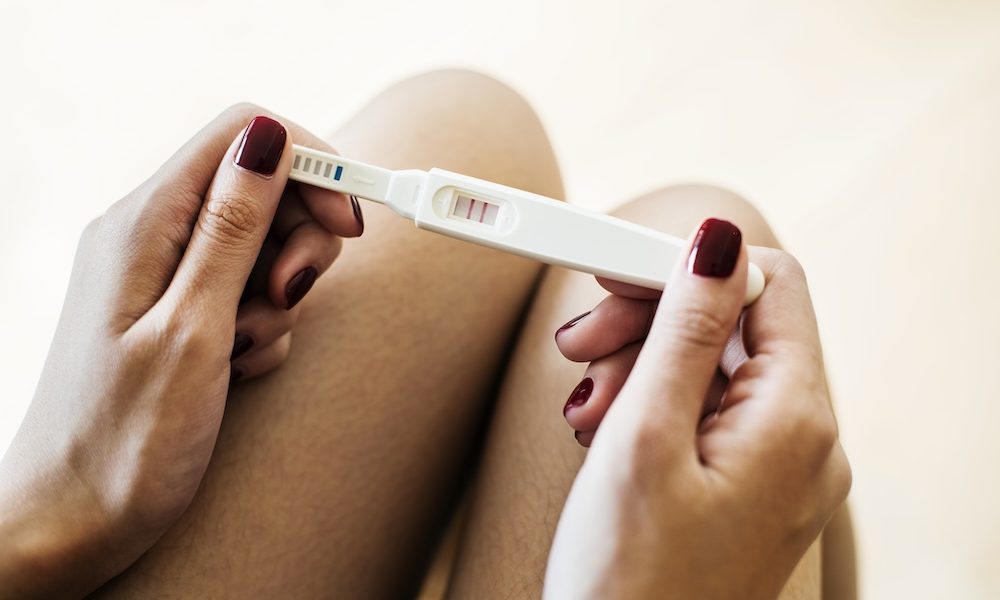
France is urging 29-year-olds to have children as part of a 16-point plan to boost fertility and raise birth rates.
Health officials say the aim is to prevent men and women facing fertility problems later in life and thinking “if only I had known”.
The strategy comes as the country, like many western nations including the UK, faces tumbling birth rates.

The trend is creating concerns about how governments can fund pensions and healthcare for ageing populations with fewer younger working people paying taxes.

But policies to raise fertility rates globally have produced limited results, and critics of the scheme suggest better housing and maternity provision could be more effective.
The government will send out “targeted, balanced, and scientifically sound information” to young people on issues including sexual health and contraception.
The material “will also reiterate that fertility is a shared responsibility between women and men,” the country’s health ministry said.
The plan includes efforts to increase the number of egg-freezing centres from 40 to 70. The process involves extracting and storing a woman’s eggs for potential future use.
The country’s health system already provides free egg-freezing for people aged 29 to 37, a service that costs about £5,000 per round in the UK.
The country’s fertility rate of 1.56 children per woman is below the 2.1 needed to maintain a stable population.
However, it is higher than rates in China, Japan and South Korea, and the UK, where the latest figures show it dropped to a record low of 1.41 in England and Wales by 2024.
Professor François Gemenne, who specialises in sustainability and migration at HEC Paris Business School, told Sky News: “This is something that demographers had known for a long time, but the fact that there were more deaths than births in France last year created a shock effect.”
He said the country’s “demographic worry” is exacerbated by the design of its pensions system and its “obsession with immigration and the fear of being ‘replaced'”.
The plan also includes a new national communication campaign, a “My Fertility” website advising on the effects of smoking, weight and lifestyle, and school lessons for children about reproductive health.
The health ministry has acknowledged its maternal and infant mortality rates are higher than neighbouring countries and is beginning a review of perinatal care to address the “concerning” situation.
Channa Jayasena, professor in reproductive endocrinology at Imperial College London, told Sky News: “On the female side, societal changes leading to older age of motherhood are certainly important.
He said obesity was also a problem as it increased women’s risk of polycystic ovary syndrome and endometriosis.
Allan Pacey, professor of andrology (male reproductive health) at Manchester University, said for most people globally, deciding to have children was “down to [non-medical] factors such as better access to education, career opportunities, taxation, housing, mortgages, finance, etc.”
“Medicine can’t help with those things,” Pacey added.


Newsletter
Sign up for free weekly updates
The latest femtech news, research and investment, straight to your inbox.




