




Menopause
The many faces of menopause: Why it is a unique stage for each woman
While the symptoms may be similar, women go through menopause differently

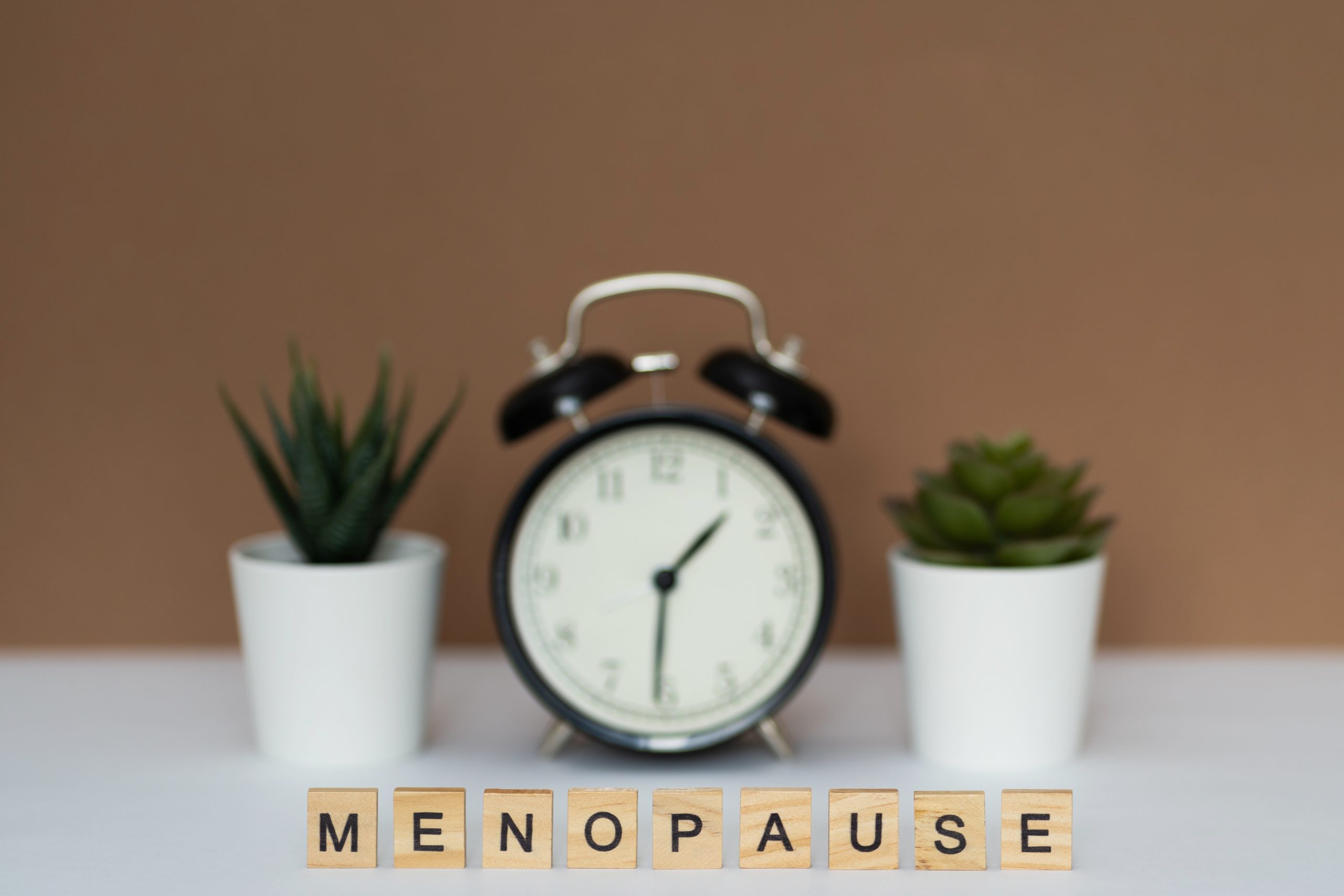
No one told me that hot flashes could start in your mid-30s and continue into your 60s, says Cindy Moy Carr, founder of mySysters app. She tells FemTech World how menopause can affect women in different ways at different ages.
The menopause is a natural time of ageing when a woman’s periods stop and the ovaries lose their reproductive function. Usually, this occurs between the ages of 45 and 55, but as Cindy Moy Carr found out, this is not the case for everyone.
“After I turned 40, I started having these horrendous migraines which I had never had before,” she remembers. “For a year and a half, they would just come and go. I went to the hospital, I had an MRI and I was told that it was all in my head.”
Her case is not singular. A Yale University review of insurance claims from more than 500,000 women in various stages of menopause states that while 60 per cent of women with significant menopausal symptoms seek medical attention, nearly three-quarters of them are left untreated.
Moy Carr had not been told about menopause until she turned 50. “I was talking to a nurse practitioner and she said ‘Well, this is all menopause-related’. And that was the first light bulb moment when I asked myself, ‘Why didn’t anybody tell me that?’
“I lived in Minneapolis – the home of big medical device companies – and if I couldn’t get any help, what chance do other women have? When I saw that none of my friends seemed to talk about it, I realised how taboo menopause was.”
Cindy’s app, mySysters, was launched as a social and self-care platform to help women manage perimenopause and menopause, helping them to track symptoms, recognise patterns and share advice in discussion forums.
“At the time there were no period trackers for women of my age,” the founder says. “That’s why we decided to launch mySysters. We made a little beta version, and after it became available in the AppStore, women from different countries started using it and about 5,000 of them still use it today.
“The app is that validation that women need to understand that they are not alone in this.”

But launching it was far from easy. “I got laughed at by men who thought it was the stupidest thing ever,” Moy Carr confesses. “Talking to the people who are making decisions about these things can be very frustrating.
“With the app, it was that community feeling that we wanted to create because most women find us after they no longer trust the medical community. Once people feel connected, life becomes easier, clearer and it feels easier to make decisions and advocate for yourself.
“We don’t know what the other person is going through, so let’s ask questions, find some information, share it and ultimately, support each other in whatever decision we make. It’s easier to feel empowered this way.”
Actively tracking symptoms has been repeatedly shown to result in greater symptom reporting and better understanding and recovery. A report from the British Psychological Society has found that a greater proportion of people were classified as high period symptom reporters after using a symptom-tracking app.
Moy Carr says that taking five minutes to check in with yourself is key. “After a few weeks, you get a checkerboard that shows the severity of your symptoms and over time, you can notice patters or triggers that influence how you feel.
“What is it that you did on Sunday that worsen your headaches on Monday? So often we say, ‘This came out of nowhere’. In fact, it didn’t. It was building up to that, but we just didn’t notice it because we weren’t paying attention to it.
“Tracking what’s happening in your body means becoming more aware of how you’re feeling. Then when something goes wonky, you will be able to recognise it quicker.”
The recent US Supreme Court’s decision to overturn Roe v Wade may have serious consequences on tracking apps like mySysters. If there is a warrant, court order, or subpoena for the release of certain medical records, then a clinic could be required to hand them over, leaving patients and providers legally vulnerable.
“As a UK-based company, I’d like to think that our data is completely safe, but I worry about women in the US and what the current climate means for them,” Moy Carr says. “We found out that HIPAA – the US regulator providing data privacy and security provisions – will not protect women’s data.
“Roe v Wade is a step backwards for women’s health, not just for abortion, but for women’s health in general. The fact that data protection is not guaranteed can have huge consequences that we’re not even aware of.”
While the situation remains uncertain across half of the states, Cindy hopes that women will have autonomy over their bodies. “I’m hoping that at some point we can get away from these labels of menopause, perimenopause, post-menopause, fertility, age, puberty and focus on hormonal health.
“Not everybody goes through menopause at 50. Sometimes they’re 30. It’s our hormonal health and there’s no need for labels.”
For more info, visit mysysters.com.








Cultural stigma and a lack of education are making it harder to get menopause help, ethnic minority women in Jersey have said.
The women came together to share their stories at an event in St Helier hosted by Eve Studios and Liberty Underwear.
Participants were encouraged to speak openly about the symptoms they had experienced.

Angela Mowanga, from Jersey, told ITV Channel: “I became dismissive about signs and symptoms. From our parents and our grandparents, they just carried on.
“I hardly heard the word menopause spoken about in my household. We never had things like hot flushes, itchy skin and tiredness.
“So for us to start talking about menopause, there is a taboo around it. A taboo that comes from ignorance but also not being willing to educate ourselves.
“We as women of colour, societies of colour, we have a lot of taboo subjects, which now have to be highlighted with the generation today.
“However, with the modern day, society is changing. And we hope programmes like this can actually be well received.”
Daisy Ayebale, from Jersey, added: “I think it’s important we are listened to. We need the right information from the experts, but we have also been overlooked when it comes to the healthcare system.
“We need to know this information before it’s too late, before you’re gambling with your health. We are glad to be changing the narrative, we are glad to be changing things right now. We are very hopeful.”
Research shows that black women are more likely to experience menopausal symptoms earlier, more intensely and for longer.


Women are being urged to seek evidence-based advice and avoid menopause misinformation shared on social media.
A seminar co-hosted by the World Health Organization (WHO) mainly examined what is known about the cognitive effects of menopause and current research in the field worldwide.
Dr Nicole Jaff, a South African academic and certified menopause practitioner, said research into menopause and its effects was now at a peak.
She said: “There’s a lot of information out there.
“But I would say please look for the evidence-based information, not for the influencers and the misinformation, but those who are giving guidelines, who are giving information.”
Jaff highlighted research into cognitive changes during menopause and how some women experience brain fog, a term for difficulties with memory, concentration and clear thinking.
She said: “I’m very excited about the non-hormonal treatments that are now available, especially for women who could never take hormone therapy because of breast cancers and various cancers, who can now take it.
“I’m extremely excited about people who are standing up for evidence-based medicine, for science, who are actually fighting back against a lot of the social media and influencers who are not giving evidence-based information and making life very difficult for women because they think they should be forever young or buying this or buying that.”
Jaff advised women and healthcare workers to read new guidelines recently issued by the International Menopause Society. They are available free to download from its website.
The seminar also heard from Professor Aimee Spector, professor of clinical psychology of ageing at University College London.
She raised similar concerns about misinformation, particularly claims linking hormone replacement therapy, known as HRT, to dementia. Some claims suggest HRT reduces dementia risk, while others suggest it increases the risk.
Spector said: “I think there’s also lots of misinformation.
“And I think that there’s huge variations in how even professionals and doctors interpret this information.”
She was part of an international research team commissioned by the WHO last year to assess published studies on the issue.
The institutions involved also included the Global Brain Health Institute at Trinity College Dublin.
Spector said: “The first thing to say is that the quality of evidence was very low.
“Nine out of the 10 studies we looked at were observational, which means that you’re observing patterns over time. But you don’t necessarily know whether that’s due to the hormone therapy or not.
“Our overall recommendation was that there’s insufficient evidence for menopause hormone therapy in terms of either increasing or reducing the risk of dementia. In other words, we don’t know either way.”
Spector said women should therefore decide whether to use HRT to treat menopause symptoms rather than based on concerns about dementia.
She said: “It’s recommended for menopause symptoms, but it’s not recommended to reduce dementia. And I think a lot of people are saying that.”
The Menopause on the Brain webinar was part of an ongoing series hosted by the WHO and other global health agencies.


Premature menopause is linked to a higher risk of developing high blood pressure, according to a study of more than 107,000 women.
The risk was highest among women who reached menopause between the ages of 25 and 35.
Researchers said the findings support earlier cardiovascular screening for women who reach menopause before the age of 40.
Dr Stephanie Faubion, medical director for The Menopause Society, said: “The results of this study highlight the potential adverse long-term health outcomes associated with premature menopause, and in particular, the need to regularly screen for cardiovascular risk factors such as hypertension.
“Use of hormone therapy is also routinely recommended in women with premature menopause at least until the natural age of menopause unless contraindications exist.”
Hormonal changes during menopause are known to affect women’s wider health, while earlier menopause has previously been linked to coronary heart disease and stroke.
Coronary heart disease develops when the blood vessels supplying the heart become narrowed or blocked.
However, previous evidence directly linking the timing of menopause to high blood pressure has been mixed.
High blood pressure, also known as hypertension, puts extra strain on the heart and blood vessels and can increase the risk of heart disease and stroke.
Researchers said it can be difficult to separate the direct effects of hormonal changes from factors that often accompany menopause, including weight gain, metabolic changes and other cardiovascular risks.
Metabolic changes affect how the body processes and uses energy, including sugar and fat.
The study analysed data from 107,836 postmenopausal women who joined the UK Biobank between 2006 and 2010. They were followed for a median of almost 15 years.
Researchers divided the women into three groups based on their age at menopause: after 45, between 40 and 45, or before 40.
They also examined whether menopause occurred naturally or followed surgery.
During the follow-up period, 18,508 women, or 17.2 per cent, were diagnosed with high blood pressure.
The proportion increased as the age at menopause fell. Hypertension developed in 16.6 per cent of women who experienced menopause after 45, compared with 18.8 per cent of those who reached menopause between 40 and 45.
Among women who experienced menopause before 40, 22.6 per cent developed the condition.
After taking account of more than 50 factors, including weight, lifestyle habits, family history and laboratory results, premature menopause remained linked to a 12.3 per cent higher risk of hypertension than menopause after age 45.
Further analysis suggested the risk peaked among women who reached menopause between the ages of 25 and 35.
The researchers said this may mean that the cardiovascular risk associated with premature menopause is concentrated among a younger group than the conventional under-40 definition suggests.
Surgical menopause was initially linked to higher rates of hypertension, but the association was no longer significant after other risk factors were taken into account.
The authors said clinicians should consider age at menopause as a distinct cardiovascular risk factor, particularly for women who experience it before 40.
They also called for earlier detection and management of hypertension, alongside individual discussions about hormone therapy.
Hormone therapy replaces hormones that decline during menopause and may be recommended for some women, depending on their individual health and medical history.










 Entrepreneur2 weeks ago
Fertility startup American Baby Company secures US$4m

 Insight1 week ago
Natural Cycles receives sixth FDA clearance for fertility algorithm

 Wellness2 weeks ago
AstraZeneca drug approved for breast cancer in EU

 Wellness4 days ago
Cancer patient receives ‘landmark’ treatment in world-first
 Hormonal health2 weeks ago
Type 2 diabetes rising among young women, experts warn

 Diagnosis1 week ago
Experimental treatment significantly slows progression of fatal brain disease in women, study finds

 Sponsored Content1 week ago
The room is filling up at WHW Europe 2026 with super early bird pricing ending this Friday

 Insight1 week ago
Johnson & Johnson offers to pay US$5.5bn to settle talc cancer lawsuits
Pingback: Everything you need to know about hot flashes and nausea