



Number and timing of children linked to biological ageing, study finds
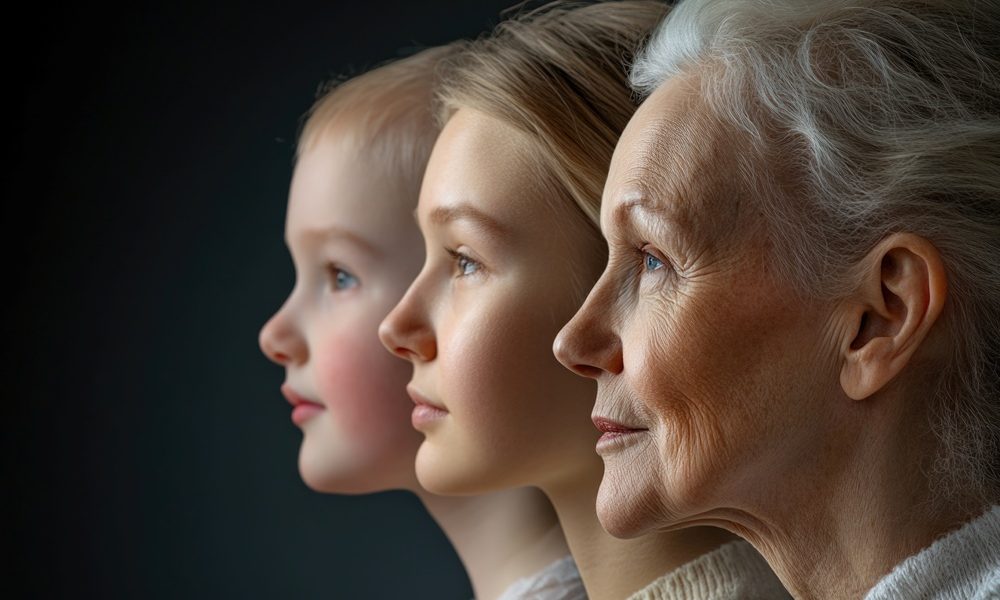
Women with two to three children live longest, while having more than four is linked to shorter lives, research on biological ageing suggests.
The study also found timing matters, with pregnancies roughly between ages 24 and 38 linked to more favourable ageing and longevity patterns.
Somewhat unexpectedly, childless women showed faster ageing than women with a few children, though this may be explained by other lifestyle or health factors.
Doctoral researcher Mikaela Hukkanen, who conducted the study, said: “From an evolutionary biology perspective, organisms have limited resources such as time and energy.
“When a large amount of energy is invested in reproduction, it is taken away from bodily maintenance and repair mechanisms, which could reduce lifespan.”
The research, conducted by the University of Helsinki and the Minerva Foundation Institute for Medical Research, followed nearly 15,000 female twins born between 1880 and 1957. Participants completed a questionnaire in 1975 and have been followed regularly since.
A novel aspect was measuring ageing biologically using epigenetic clocks, which detect ageing-related cellular changes by analysing chemical markers in blood samples. These can identify signs of biological ageing years before death.
The epigenetic analysis of more than 1,000 participants supported the mortality findings, showing women with many children or no children were biologically somewhat older than their chronological age.
Dr Miina Ollikainen, who led the study, said: “A person who is biologically older than their calendar age is at a higher risk of death. Our results show that life history choices leave a lasting biological imprint that can be measured long before old age.
“In some of our analyses, having a child at a young age was also associated with biological ageing.
“This too may relate to evolutionary theory, as natural selection may favour earlier reproduction that entails shorter overall generation times, even if it entails health-related costs associated with ageing.”
The researchers emphasised that the findings apply only at population level and do not demonstrate cause-effect relationships.
Dr Ollikainen added: “An individual woman should therefore not consider changing her own plans or wishes regarding children based on these findings.”


Newsletter
Sign up for free weekly updates
The latest femtech news, research and investment, straight to your inbox.