




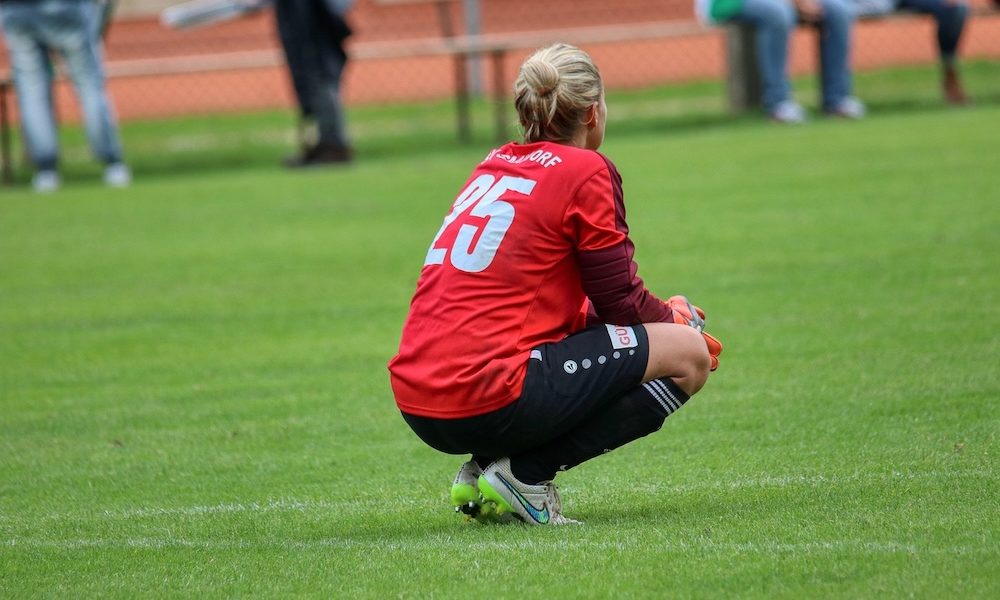
Football injuries during periods are more severe and take longer to heal, though menstruation does not itself raise injury rates, according to new research.
The study monitored 33 elite players competing in Spain’s top women’s football league over four seasons, from 2019/20 to 2022/23, tracking self-reported menstrual cycle data alongside injury records.
The research was led by Dr Eva Ferrer, who specialises in sports medicine at Sant Joan de Déu Hospital and is a female health specialist at the Barça Innovation Hub in Barcelona.

“We show that menstruation itself does not increase how often injuries happen,” said Ferrer.

“Although athletes were not injured more often during their period, the injuries that happened during menstruation caused three times more days lost than injuries occurring at other times of the cycle.”
Players logged bleeding and non-bleeding days, the only phases of the menstrual cycle that can be reliably identified without blood hormone testing.
A total of 852 menstrual cycles and 80 lower limb injuries were recorded, 11 of which occurred during menstrual bleeding phases.
The findings showed that injury burden was significantly higher during bleeding phases.
The burden of soft tissue injuries, affecting muscles, tendons and ligaments, was more than three times as high when injuries were sustained during bleeding days compared to non-bleeding days, with 684 versus 206 days lost per 1,000 training hours respectively.
“Hormonal levels may not cause the injury, but they may influence how severe the injury becomes and how long recovery takes,” Ferrer explained.
Low oestrogen levels may reduce muscle repair, while increased fatigue, pain and poor sleep can alter neuromuscular control.
Iron loss can lower endurance and slow recovery, and inflammation heightened during menstruation may cause worse tissue damage.
“Small modifications such as longer warm-ups, adjusted high-speed workload, or added recovery support may help reduce the severity of injuries if they occur,” Ferrer said.
The researchers said their findings have implications beyond professional football for women who exercise regularly.
“You do not necessarily need to avoid training during your period, but you may need to adapt it,” Ferrer said.
“Tracking your cycle and symptoms can help guide training intensity and recovery strategies.”
The study’s limitations include all participants belonging to the same club, the unequal number of bleeding and non-bleeding days in a cycle potentially limiting statistical power, and the absence of hormone measurements or data on external factors such as stress, sleep and nutrition.
“It supports a growing movement toward female-specific sports science instead of applying male-based research models to women,” Ferrer concluded.


Newsletter
Sign up for free weekly updates
The latest femtech news, research and investment, straight to your inbox.




