




News
ŌURA raises over US$900M to accelerate global expansion


Smart ring maker ŌURA has raised over US$900m in funding, valuing the firm at approximately US$11bn and fuelling continued growth and development of new health technologies.
ŌURA plans to use the new funding to accelerate AI and product innovation, expand global distribution, and invest in development of new health features, cementing its position as the leading platform for proactive health.
This financing reflects ŌURA’s incredible momentum, coming on the heels of the company’s announcement that it has sold more than 5.5 million Oura Ring devices since its 2015 debut—with more than half of those sales occurring in the past year alone.
The company reported revenue of more than US$500 million in 2024, doubling its growth from the prior year, and is on track to double revenue again in 2025, surpassing US$1bn in annual sales while continuing to expand profitability.
“This new funding is a testament to the strength of ŌURA’s business and the trust millions of members place in us every day,” said Tom Hale, CEO at ŌURA.
“We’re proud to be building not just a product, but a global movement toward proactive health—helping people understand their bodies, make better lifestyle decisions, and connect more effectively with their healthcare providers. Today, our technology supports consumers, employers, insurers, and clinicians working together to advance preventive health at scale. With this investment, we will accelerate innovation, expand our global reach, and set a new standard for what wearables can achieve in advancing preventive health.”
As part of the company’s continued growth, ŌURA announced David Shuman, founder of Lateralus Holdings and Oura board member since 2016, as its new chair of the board, succeeding Eurie Kim, who has served in the role since 2019.
“David has been a wonderful board partner to me during my tenure as chair and I look forward to continuing to collaborate with him as we help ŌURA reach its potential,” said Eurie Kim.
Tom Hale added: “Eurie and David have been instrumental in OURA’s success. Since joining the board in 2019, Eurie has been a trusted partner as we’ve rapidly grown our consumer awareness. I look forward to her continued guidance on the board through the company’s next phase of growth.
“Oura has benefited greatly from David’s leadership and good judgement across long-term strategy, fundraising, recruiting, partnerships, and corporate development—and I know he’ll be instrumental in our continued success and growth as we enter our next chapter.”


Black mothers across most of England lack targeted maternal mental health support despite facing higher risks during and after pregnancy, a report has found.
The analysis found a patchwork of provision across England, with inconsistent data, funding and support for Black women.
The vast majority of Integrated Care Boards (ICBs) do not commission services specifically for Black maternal mental health, while five hold no information on such provision.

The findings come from Understanding local provision for Black maternal mental health, a briefing produced through the Black Maternal Mental Health project, led by The Motherhood Group in partnership with the Maternal Mental Health Alliance and Centre for Mental Health.
The briefing is based on Freedom of Information responses from 35 of England’s 36 ICBs.
Most ICBs rely on general perinatal mental health services, but gaps in available data mean it is impossible to determine whether these services meet the needs of Black mothers, the report found.
Black women face a higher risk of developing mental health problems during and after pregnancy but are less likely to receive the support they need, according to the briefing.
Mental health problems also remain a leading cause of maternal deaths.
The report found that many ICBs do not have a complete picture of activity in their areas, including training delivered by community organisations, making it difficult to hold the NHS to account.
Some ICBs are commissioning targeted services and working with community groups, showing that good practice exists.
The briefing calls on NHS England and the Department of Health and Social Care to establish clear national guidance on ICBs’ responsibility for commissioning, monitoring and evaluating culturally competent, trauma-informed services for Black mothers, coproduced with Black women and communities.
It also calls for routine, linked data collection on Black mothers’ perinatal mental health experiences and outcomes.
ICBs are also urged to invest sustainably in community-led services, work with organisations trusted by Black mothers and learn from existing good practice, including anti-racism and cultural competency training.

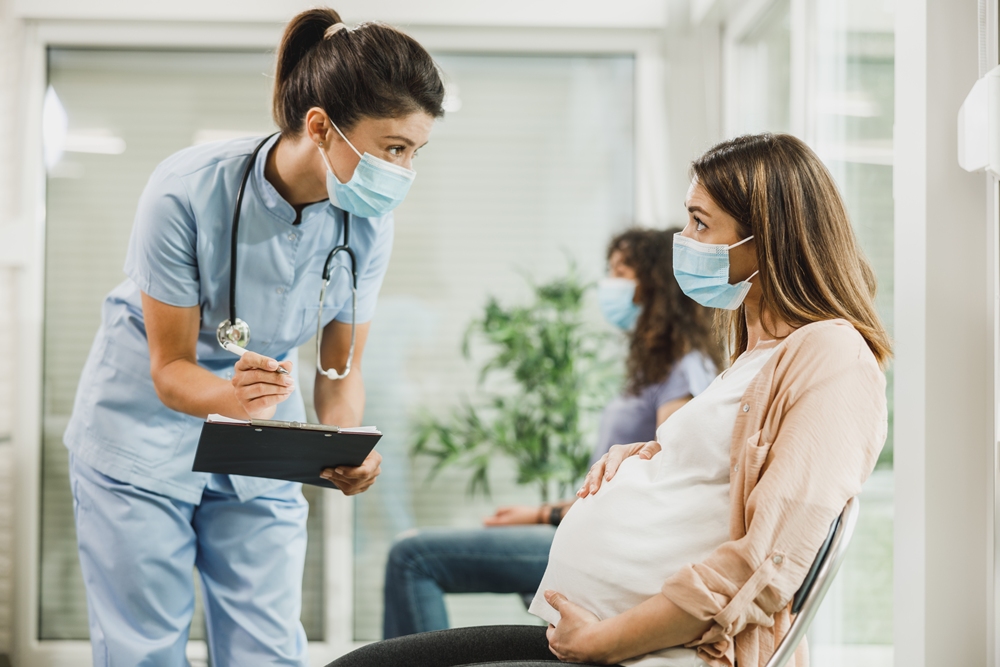
A £254m UK funding package will expand reproductive health access for millions of women and girls across 54 countries.
The government said the investment will support family planning for more than 15 million women each year and could prevent 14 million unintended pregnancies and more than 35,000 maternal deaths by 2028.
The funding will expand access to contraceptives and safe abortion products, as well as medicines and equipment for maternal and newborn healthcare.
Women will be supported to access family planning products including condoms, pills, implants and coils.
The programme will also provide equipment to improve early detection of post-partum haemorrhage, severe bleeding after childbirth, and treatments shown to reduce severe bleeding by almost two thirds.
Kirsty McNeill, minister for development, said: “It is a scandal that women and girls are denied the fundamental right to make informed choices about their own body, free from coercion, discrimination and violence.
“Every woman and girl should be able to make decisions about her own future. That choice can mean staying in school, finding work or surviving childbirth.
“The funding I have announced will help give millions more women and girls across the world autonomy over their bodies, control over their futures, and the chance to fulfil their full potential.”
The funding will be delivered through the CHOICES programme, working with the United Nations Population Fund (UNFPA) and Clinton Health Access Initiative (CHAI) across more than 50 of the world’s poorest countries, including conflict zones.
An estimated 259 million women who want to avoid or delay pregnancy are not using safe, modern contraceptive methods.
The government said it will also work with national governments to support sustainable health systems as countries transition away from donor funding.
Maternal deaths have fallen by 40 per cent since 2000, but progress has been uneven, with 70 per cent occurring in sub-Saharan Africa.
CHOICES operates in more than 50 countries, including Afghanistan, Chad, the Gambia, Malawi, Sudan and Yemen. It focuses on countries with the highest rates of death in childbirth and lowest rates of contraceptive use, as well as providing emergency support during humanitarian crises.
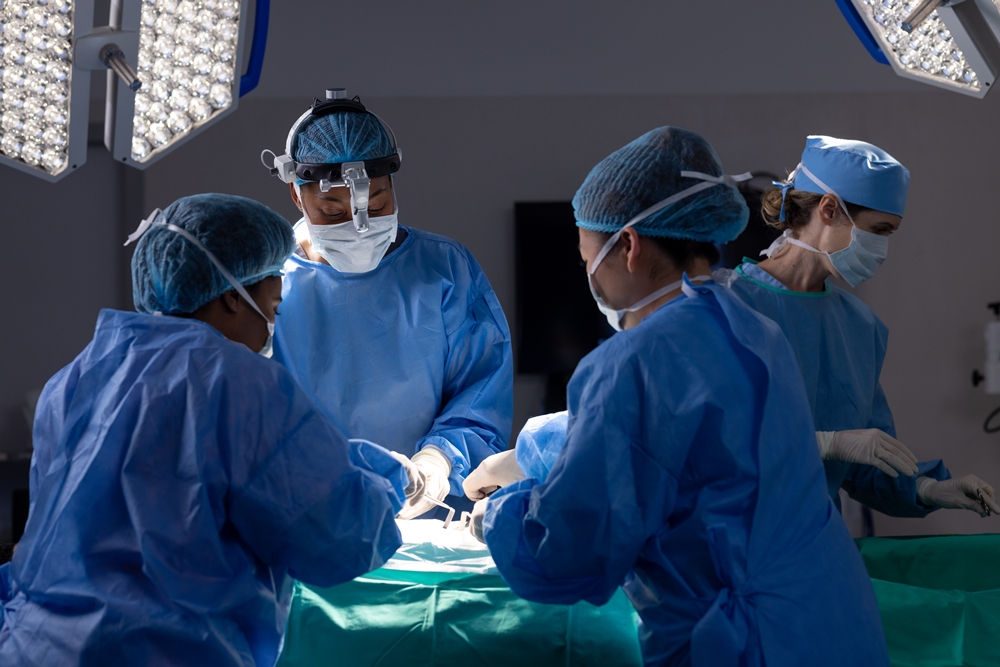
A health trust will decide how far back to review breast cancer cases after more than 30 women were found to have undergone unnecessary surgery.
It has already been established that hundreds of patients came to harm during treatment at the breast unit at County Durham and Darlington Foundation Trust (CDDFT).
The trust has apologised and is using specialists from other hospitals to review cases to see if other women underwent unnecessary operations or received otherwise poor care.
An extraordinary trust board meeting in Durham will consider the scope of its Look Back Exercise.
Board papers recommend reviewing cases as far back as 2015, working backwards one year at a time.
Documents estimate that this could take five years and involve reviewing the care of approximately 4,500 patients.
Members of the Pink Justice Network, an online support group for women who have received breast cancer treatment from the trust, will attend the meeting.
Nadeen Lister, who runs the group of around 150 women with Amelia Green, said members were calling for a public inquiry into what went wrong.
Lister told the Press Association: “When we started the group, nobody was talking about compensation, they just wanted justice for what has been done.
“The Look Back Exercise has cost the trust more than £500,000 this year, with staff checking back over records, medical experts reviewing cases and psychological help offered to patients affected.”
Green said the trust could avoid the expense of the exercise “by backing our call for a public inquiry”.
Hayley Collinson, of Hudgell Solicitors, which represents many affected patients, said: “Given the scale of harm revealed so far, we can’t see how the Trust board can come to any other decision than to extend this lookback investigation given the findings of the first batch of cases to have been reviewed, and the high percentage of harm being identified.
“The reality is that any woman who had breast cancer treatment at this Trust from 2015 onwards is now going to be questioning whether their treatment was appropriate and if they were actually harmed.”








 Menopause1 week ago
Menopause may not explain rising heart condition in women – study

 Fertility2 weeks ago
Paracetamol use may impact future fertility, studies suggest

 Mental health1 week ago
Women with birth trauma face 2.5x higher healthcare costs – study

 News1 week ago
Medical cannabis may improve endometriosis symptoms – study

 Mental health6 days ago
Neuroscience-backed journaling for women’s mental health

 Cancer1 week ago
Study could explain why obesity is a breast cancer risk factor

 AI1 week ago
Evvy secures US$40m for AI-powered vaginal microbiome testing

 Q&A1 week ago
Innovating breast cancer screening with tears