



As skin care and aesthetic treatments evolve, “skin boosters” are gaining popularity among dermatologists and patients alike. Their promise is simple: to improve skin hydration, texture, and quality without altering facial contours or adding significant volume. Behind this promise are biological mechanisms, different materials, and clinical evidence.
Understanding how skin boosters work helps in making informed decisions. This is useful when considering a treatment, advising others, or evaluating studies. Meamo’s insights on Korean skin boosters show how innovations from Seoul continue to shape global approaches. These products blend hydration with skin health.
We’ll explain the science behind skin boosters: what they are, how they work in the skin, the ingredients used, their effects and risks, and the factors that influence outcomes.
Skin Boosters: What They Are
Skin boosters are treatments designed to enhance skin quality by improving hydration, elasticity, and texture rather than significantly altering facial contours. They are typically delivered through a series of micro-injections into the dermis, using lighter or more diluted materials compared to traditional fillers. The goal is to support the skin’s extracellular matrix (ECM), stimulate natural repair processes, and improve overall moisture retention. Drawing on Meamo’s insights into Korean skin boosters, these treatments are particularly valued for their subtle, natural-looking effects, which prioritize skin health over dramatic volume changes.
How Skin Boosters Work in the Skin

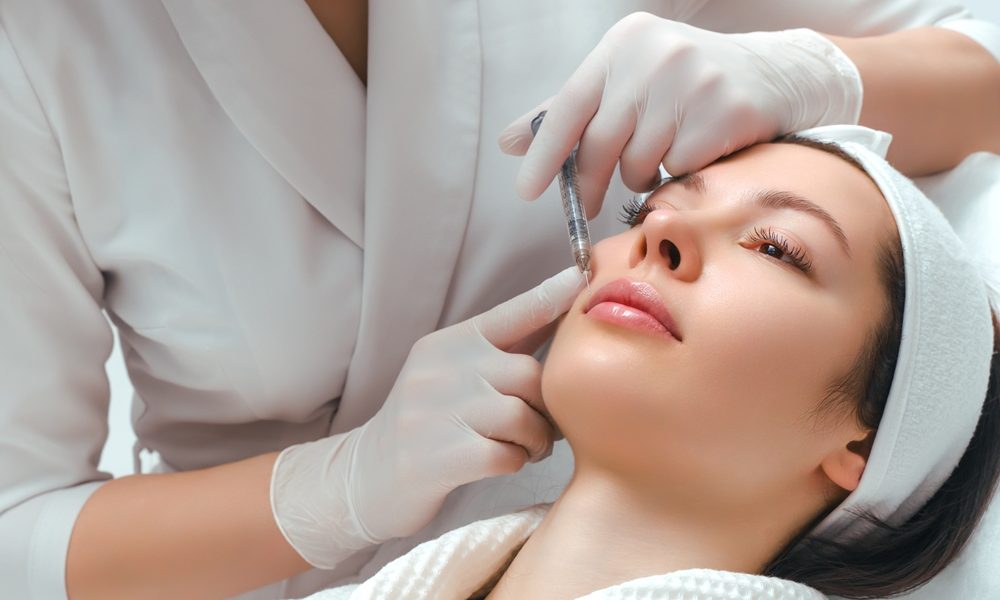
Close up of botox injection in female forehead. Side view of cosmetologist using syringe with special liquid, holding chin while patient with towel on head lying. Concept of cosmetology, beauty.
To understand the science, it is helpful to examine how boosters interact with the skin’s structure, its cells, and the materials used.
Restoring Moisture and Water Binding
Many skin boosters utilize hyaluronic acid (HA), a naturally occurring molecule in the skin. HA holds water—often several times its own weight—which keeps skin moist, firmer, and helps lessen fine lines. When HA is injected, it draws water into the skin to smooth it.
Supporting Extracellular Matrix Structure
HA and other materials do more than just act as a sponge. They also affect the extracellular matrix. These ingredients may provide support for collagen and elastin fibers or work through cellular signaling. Some boosters also contain peptides, growth factors, or nucleotides. These can stimulate fibroblasts, which produce collagen, to produce more ECM proteins and facilitate repair of damage.
Modulating Inflammation and Oxidative Stress
Skin aging is caused by low-level oxidative stress (for example, from UV or pollution) and inflammation. These break down ECM components. Some boosters include growth factors, antioxidants, or nucleotide derivatives. These substances may help reduce harmful oxygen species or adjust the dermal inflammatory response. This supports better maintenance of collagen and elastin.
Injective Technique and Material Properties
The effect depends on what and how you inject. Microinjections spaced through the skin distribute the material and provide even hydration. The molecular weight of HA, whether it is cross-linked, and its purity influence longevity and skin response. Non-crosslinked or lightly crosslinked HA blends more closely with tissue and breaks down faster than heavily crosslinked fillers, which are designed to maintain their shape.
Key Ingredients in Skin Boosters
While HA is the most commonly used, other compounds are also used or being studied, often in combination.
- Hyaluronic Acid (HA): Both types—connected and not. HA holds water, boosts moisture, and helps keep the skin supple and stretchy.
- Polynucleotides and polydeoxyribonucleotides are DNA- or RNA-based molecules or fragments. They may help through cell signaling, repair promotion, or reducing damage from UV or oxidation.
- Growth factors and peptides are small proteins. They activate fibroblasts and related cell types, resulting in the enhanced synthesis of collagen and other structural proteins within the ECM. They may also change, repair, or regenerate in the skin.
- Other additives may include antioxidants, trace nutrients, or bioactive molecules. These support the skin’s defense systems.
Clinical Effects and Evidence
What actually happens, according to studies?
- Hydration and Skin Smoothness: Numerous studies have shown that after HA boosters, individuals often experience increased skin moisture, reduced dryness, and smoother skin.
- Elasticity and Firmness: The skin can become more elastic and firm, with fewer fine lines and wrinkles, especially after a few treatments.
- Subtle and Natural-Looking Outcomes: Since boosters don’t add significant volume, changes are typically minimal, resulting in skin that looks and feels better without altering its natural shape. The improvements are noticeable in skin glow, smoothness, and tightness, resulting in a natural-looking appearance.
- Effect duration varies. It depends on the product, its concentration, crosslinking, molecular weight, skin type, and lifestyle. Some HA boosters last several months. Others may need repeat treatment.
Risks, Limitations, and Considerations
Research also indicates that skin boosters have limitations and potential side effects.
- Injected materials break down over time. Crosslinked or modified forms last longer. However, longer-lasting forms may risk uneven distribution or small lumps if not placed carefully.
- Swelling, redness, or bruising at the injection site is common and usually resolves quickly.
- Risk of Infection or Allergy: Rare, but possible, especially if clean technique isn’t used or the person is allergic to something inside.
- Effects fade over time, and skin boosters cannot prevent all aging changes, such as bone loss or UV damage. Repeated treatments may be needed. Cost-effectiveness depends on how often treatments are needed, the provider’s skill, and patient expectations.
- Results can vary from person to person. Factors such as skin type, age, genetics, sun exposure, environment, health, nutrition, hydration, and smoking can all impact how boosters work and their longevity.
The Bottom Line
Skin boosters enhance skin quality—improving hydration, elasticity, and texture—without altering the shape or adding volume. This relies on materials like hyaluronic acid, injection techniques, and biological responses. These include water binding, ECM support, collagen production, and reduced inflammation.
Studies show that skin boosters can improve skin with a low risk. Results depend on the product chosen, its use, your skin’s condition, and maintenance.
Anyone considering skin boosters should discuss with a qualified dermatologist or aesthetic physician. The product type, expected results, risks, maintenance costs, and whether the treatment aligns with your skincare goals are important to review. Understanding the science helps set realistic expectations and improves satisfaction.


Newsletter
Sign up for free weekly updates
The latest femtech news, research and investment, straight to your inbox.