




News
Gameto secures $44m Series C to advance reproductive care


Gameto has recruited its first Phase 3 patients for a biotechnology programme aimed at expanding reproductive health options.
The $44m Series C round, led by Overwater Ventures with multiple other investors, brings the company’s total funding to $127m – one of the largest investments in the US reproductive biopharma sector.
The funding will complete Gameto’s Phase 3 trial for its lead programme, Fertilo, and support regulatory filings worldwide.

Fertilo is already approved in countries including Peru, Mexico and Australia, and has recorded five births and over 20 pregnancies.
“This is a defining moment for Gameto and for our broader mission of advancing women’s and family health,” said Dr Dina Radenkovic Turner, CEO and co-founder.
She said the Fertilo In Vitro Research Study and Trial (FIRST) is the first US randomised, controlled, double-blind trial to evaluate egg maturation outside the body and the first to apply stem cell technology to IVF.
Beyond infertility treatment, Fertilo is the first induced pluripotent stem cell (iPSC)-derived therapy to reach late-stage US clinical development.
Gameto’s technology aims to shift care from IVF and egg freezing towards ovarian therapeutics and delaying menopause.
The therapy uses engineered ovarian support cells derived from iPSCs to mature eggs ex vivo, cutting hormone treatment from two weeks to 2–3 days.
The Phase 3 trial will enrol patients at up to 20 US sites, with an interim readout due in late 2026.
Gameto is also advancing menopause therapies through its Ameno programme, funded partly by ARPA-H. This includes an implantable cell therapy and a vaginal ring for cyclical hormone release, with Phase 1 trials planned.
Martin Varsavsky, co-founder and chairman, said: “As someone who has built fertility clinic networks worldwide, I know how urgently patients and physicians need better tools.”
Gameto, founded by Dr Radenkovic and Varsavsky, is developing treatments for fertility, menopause, and women’s and family health from its cell engineering platform developed with Harvard Medical School.










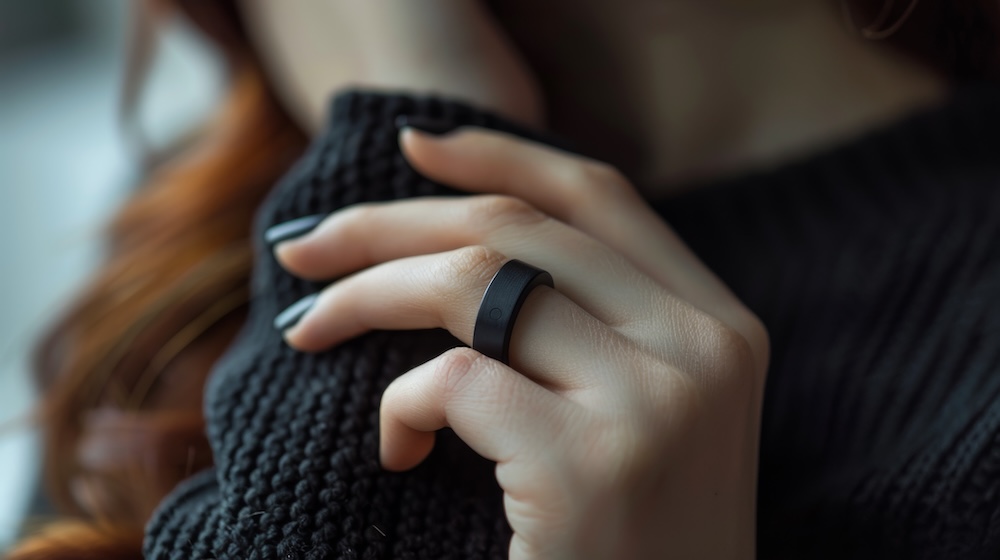
Xella Health has integrated Oura wearable data into its women’s health platform, allowing members to share trends with clinicians alongside diagnostic results.
Members can choose to share information including sleep, heart rate variability, resting heart rate, temperature trends, recovery, activity and menstrual-cycle data.
The integration is intended to help clinicians investigate biological factors that may explain changes in members’ wearable data and symptoms.

Kelly Lacob, chief executive and co-founder of Xella Health, said: “Wearables detect that something in the body has changed, but wearable data alone can’t tell a woman why or what to do next with that information.”
“By pairing continuous physiological monitoring from Oura with Xella’s multiomic diagnostics and physician-guided care, we enable women to understand how specific health concerns are impacting her biometrics, and vice versa how her daily habits are impacting her overall health and specific conditions or life stages she is navigating.
“Further, we are able to track how her relevant vitals and biometrics respond to specific interventions or treatment plans, so we can optimise her care more efficiently.
“Ultimately, this partnership helps us better address her symptoms today whilst also proactively optimising her long-term health trajectory for decades to come.”
Xella Health combines AI, multiomic testing and physician-guided telehealth care through a membership platform.
Multiomic testing analyses several types of biological information.
Xella said its testing assesses hormonal and metabolic health, inflammation, nutritional status, reproductive health and cardiometabolic risk.
Physicians use those findings to develop personalised care plans that may include clinical treatments.
Clinicians can then review shared Oura trends alongside diagnostic results and member check-ins to monitor progress and adjust care over time.
The company said providers interpret biometric data in the context of each member’s health conditions, goals and treatment plan.
The integration focuses on fertility, perimenopause, hormonal and cardiometabolic health, as well as women’s longer-term health.
Oura has expanded its women’s health offerings through integrations connecting wearable measurements with other sources of health data.
In February, it partnered with at-home hormone tracking company Mira, allowing users to view hormone test results alongside sleep, temperature and readiness data in the Mira app.
The integration is intended to help users track patterns related to fertility, menstrual cycles and perimenopause.
That month, Oura also introduced a women’s health AI model for testing through Oura Labs.
Integrated into Oura Advisor, the model combines biometric data with clinician-reviewed medical information to provide guidance on menstrual cycles, pregnancy and menopause.
In May, the company launched menopause insights and hormonal birth control support.
Its Menopause Insights offering uses a questionnaire covering 22 symptoms of menopause alongside wearable data, while birth control support helps users understand their biometric trends in the context of hormonal contraception.


Partners of women going through menopause will be invited to experience hot flushes using a menopause simulator at a support event in Hull next month.
Health group Over The Bloody Moon will bring one of its MenoVests to the Menopaus’ull Support Network event, allowing people to experience a hot flush.
Sarah Weichardt, who co-manages the project, said: “We’re particularly interested in getting men along to come and experience the MenoVest, just so that they can understand what women go through.
“It’s not just a hot flush, it’s what the hot flush brings with it.
“So it could be panic, it could be anxiety. It’s experiencing it all at the same time.”
MenoVest is billed as the ‘world’s first’ wearable menopause simulator – a garment worn over regular clothing that generates realistic, intense hot flush sensations while the wearer carries on with everyday work tasks.
After just a few minutes wearing it, people gain a genuine sense of what these symptoms feel like, building empathy and highlighting why better support matters during this transition.
Weichardt said she hoped the vest would give people a “better understanding of what women are going through”.
“The more people we can get to experience it, the better,” she added.
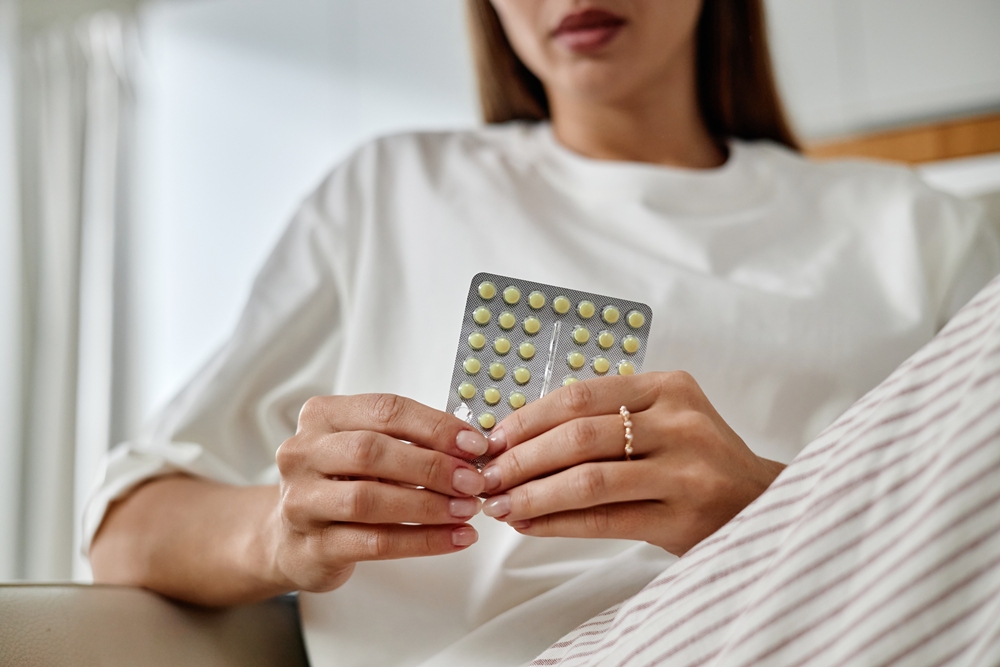
Short-term oral HRT was linked to a 60 per cent higher rate of serious blood clots in women aged 50 to 69, a large study found.
The increased rate was seen among women using oral hormone replacement therapy for less than a year as well as those treated for more than five years.
By contrast, transdermal HRT, delivered through skin patches, gels or sprays, was not associated with the same increased clot risk.
Researchers at North Zealand Hospital in Denmark analysed health registry data from more than one million Danish women aged 50 to 69 between 2003 and 2021.
During the study period, 9,807 women experienced venous thromboembolism, a serious blood clot in a vein. A further 18,460 had a stroke and 11,974 had a heart attack.
Each affected woman was matched by age with five women who had not experienced the same condition. Researchers adjusted the analysis for other factors, including medical history, that could influence risk.
They then examined HRT prescriptions, including the dose and duration of treatment, and looked for associations with blood clots, stroke and heart attack.
Overall, oral HRT was associated with a 60 per cent higher rate of venous thromboembolism, with increased rates seen for both oestrogen-only therapy and treatment combining oestrogen with progestogen.
Venous thromboembolism occurs when a blood clot forms in a vein. A clot in a deep vein can break away and travel to the lungs, causing a potentially fatal pulmonary embolism.
Women taking oral HRT for less than a year had the same raised blood clot risk as those using it for more than five years.
Even a daily oral dose below 1mg was found to significantly increase blood clot risk.
Women taking a daily oral dose above 1mg for more than five years had an 80 per cent higher risk of both heart attack and stroke.
For women taking a high oral dose for more than one year, the study found a 40 per cent higher risk of heart attack and a 50 per cent higher risk of stroke.
The researchers highlighted the importance of choosing the type, dose and duration of treatment carefully, particularly for patients vulnerable to blood clots.
Dr Robert Storey, professor of cardiology at the University of Sheffield, who was not involved in the research, said the findings demonstrated the importance of ensuring cardiovascular risk factors were “well controlled” in women taking oral HRT.
He added: “The study emphasises the superior safety of patches over oral treatment.”







 Diagnosis2 days ago
Trust to decide how far back to review unnecessary breast cancer surgeries

 Diagnosis3 days ago
New test could cut need for invasive womb cancer checks

 Healthy ageing5 days ago
Higher BMI in early adulthood linked to lower breast cancer risk after menopause

 Business & startups4 days ago
Personalising women’s health with AI

 Pregnancy1 day ago
UK commits £254m to boost women’s maternal healthcare choices
 Menstrual & gynaecological health3 days ago
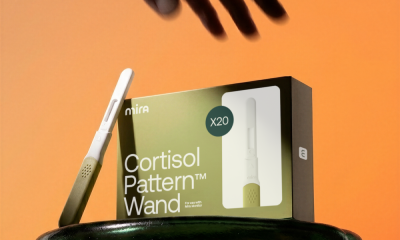
Mira launches at-home cortisol tracking kit

 Diagnosis3 days ago
Targeted nanotherapy shows endometriosis promise

 Insight5 days ago
EU healthcare’s gender pay gap hits 19%, WHO report finds