




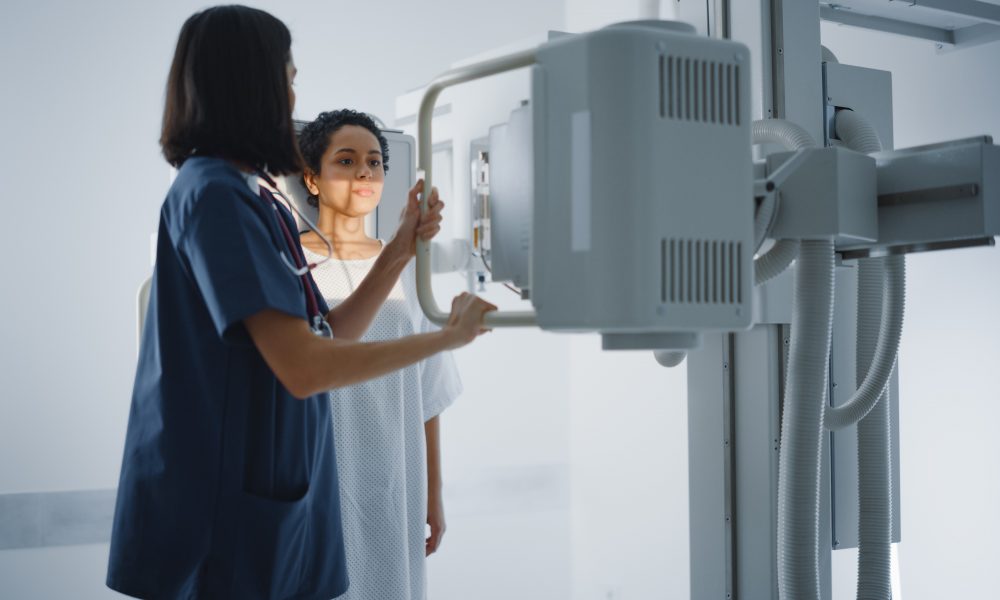
Using AI in mammography screening can significantly increase cancer detection rates, according to a landmark clinical trial involving more than 105,000 women.
The Mammography Screening with Artificial Intelligence (MASAI) trial, in Sweden, found that using AI in increased cancer detection by 29 per cent and resulted in a 44 per cent reduction in the screen-reading workload for radiologists.
The trial tested the Transpara AI system developed by ScreenPoint Medical.
Transpara-supported screening detected 338 cancers among 53,043 participants. The cancer detection rate was 6.4 per 1000 participants in the AI group, compared to 5.0 per 1000 in a control group.

The trial led to increased detection of small, lymph-node negative, invasive cancers, and high-grade in situ cancers, which is crucial for early intervention and treatment.
Dr. Kristina Lång, lead researcher from Lund University, in Sweden, said: “Our findings indicate that AI-supported screening can significantly enhance the early detection of clinically relevant breast cancers while reducing the workload for radiologists.
“This has the potential to improve patient outcomes and optimise the use of healthcare resources.”
According to publication authors, “the MASAI screen-reading procedure emphasised radiologists having access to breast AI lesion detection and risk information at screen reading to introduce a beneficial bias.
“By making radiologists aware of the cancer prevalence when reading low-risk and high-risk exams, this may influence them to reduce false positives in low cancer prevalence readings and reduce false negatives in high cancer prevalence readings by giving access to regional marks highlighting suspicious findings to lower the risk of overlooking potential findings.”


Newsletter
Sign up for free weekly updates
The latest femtech news, research and investment, straight to your inbox.




