




Nutrition that aligns with guidelines during pregnancy may be associated with better infant growth outcomes
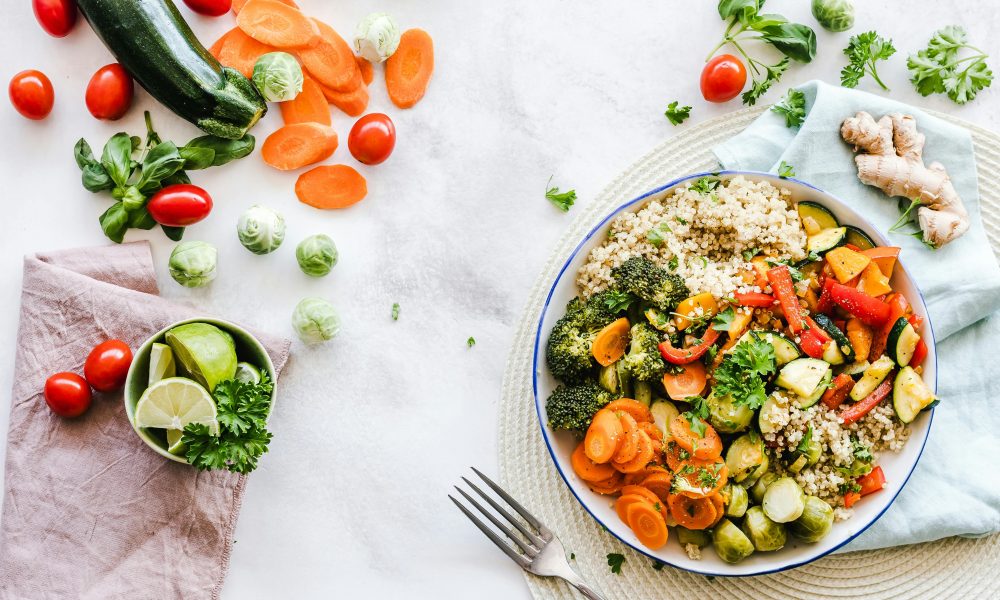
Expectant mothers who maintain a diet that meets USDA dietary guidelines during pregnancy may be more likely to have infants with healthy birthweights, steadier growth patterns, and potentially a reduced risk of obesity later in childhood, according to a new study.
The research, involving more than 2,800 mother-child pairs across eight ECHO Cohort Study Sites, suggests that following a healthy prenatal diet in line with the USDA Dietary Guidelines for Americans could have long-term positive effects on infant growth up to 24 months.
This study found that eating a healthy diet during pregnancy was linked with a lower chance of extremely rapid infant growth,” said Assiamira Ferrara of Kaiser Permanente Northern California Division of Research.
Dr. Ferrara noted that rapid growth from birth to 24 months is a strong predictor of obesity later in life.

The study used two dietary measures—the Healthy Eating Index (HEI) and the Empirical Dietary Inflammatory Pattern (EDIP)—to look at maternal eating patterns. The HEI measures overall diet quality. The EDIP score measures how likely a diet is to cause inflammation in the body. Diets with high EDIP scores have been linked to increased levels of inflammation.
Key findings from the research showed that:
- Higher HEI scores, reflecting healthier diets, were associated with a 12 per cent reduced chance of infants being born large for gestational age (LGA), alongside lower rates of rapid growth up to 6six and 24 months.
- Lower EDIP scores, indicating diets with reduced inflammatory potential, were associated with a 24 per cent higher chance of LGA and had mixed effects on growth: slower from birth to six months but faster growth between birth and 12 months. This association was less clear and warrants further study.
“The findings support a role for a balanced prenatal diet that aligns with the USDA Dietary Guidelines in promoting healthy birthweights and balanced growth through early childhood,” said Monique Hedderson of Kaiser Permanente Northern California Division of Research.
“This suggests the need for programmes to help improve pregnant people’s access to healthy food and interventions to support healthy eating during pregnancy.”
Researchers said that the findings represent an opportunity for an early obesity prevention strategy. More research is needed to learn how low-inflammatory diets during pregnancy might benefit foetal and infant growth.
Newsletter
Sign up for free weekly updates
The latest femtech news, research and investment, straight to your inbox.




