




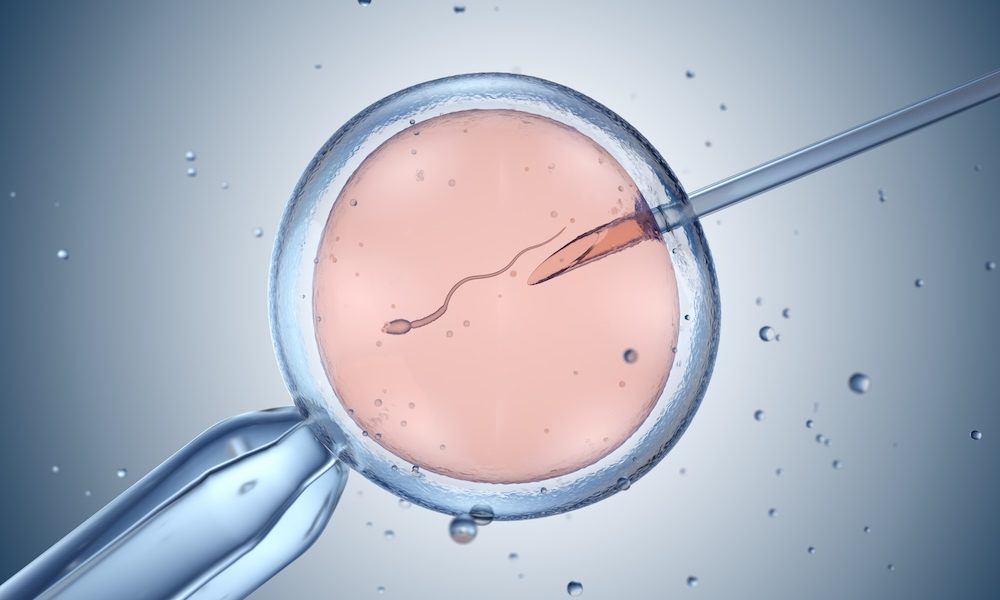
A new AI technology could assess the quality of live sperm in seconds, removing the need for invasive procedures that compromise sperm viability in IVF treatments.
Current clinical practices to evaluate sperm morphology require human analysis and chemical staining of the sperm cells which can cause damage.
However, a new method, from Monash University’s Department of Mechanical and Aerospace Engineering in collaboration with Monash IVF, works on live, unstained sperm, preserving their viability.
The study, published in Advanced Intelligent Systems, found the AI model could analyse sperm imaging with over 93 per cent accuracy in just a few seconds. By choosing the highest quality sperm without affecting its viability, the technology could pave the way for standardised sperm selection through automation in IVF clinical settings.

Lead researcher Dr Reza Nosrati said the speed and precision meant doctors could make better-informed decisions faster than ever before.
“The consistency and reliability of our AI model provide unprecedented accuracy in live sperm morphology classification,” Nosrati explained.
“By providing a clear and precise analysis of sperm quality, it offers promising opportunities for enhancing clinical sperm selection practices and reducing day-to-day variability in clinics.
“With this tool, we hope to improve the outcomes of fertility treatments and offer new hope to couples struggling to conceive.”
Ms Sahar Shahali, lead-author of the work and the PhD candidate, said the technology’s adaptability made it a versatile tool for clinics worldwide.
“The technology has been tested and proven to work effectively with images of various resolutions. This means it can be easily integrated into different clinical environments, providing reliable results regardless of the equipment used.”
Professor Deirdre Zander-Fox, Monash IVF chief scientific officer, said the technology had great potential to make the sperm selection process faster and improve outcomes.
“Sometimes in IVF, embryologists need to inject a single sperm directly into an egg to increase the chances of fertilisation.
“While they are experts at finding the best sperm for this process – sperm that’s the right shape and size and moves around freely – it can sometimes take hours to sift through a sample to find the best sperm for injection,” Zander-Fox said.
“We believe AI can make the process much faster and give patients improved outcomes, while still allowing our highly trained embryologists to have oversight of the process.”
She added: “Following on from this research, Monash IVF hopes to create an AI algorithm that could be used to power a sperm selection device to guide our embryologist on which sperm to choose at the time of microinjection to help improve IVF outcomes.”
To receive the Femtech World newsletter, sign up here.


Newsletter
Sign up for free weekly updates
The latest femtech news, research and investment, straight to your inbox.




