




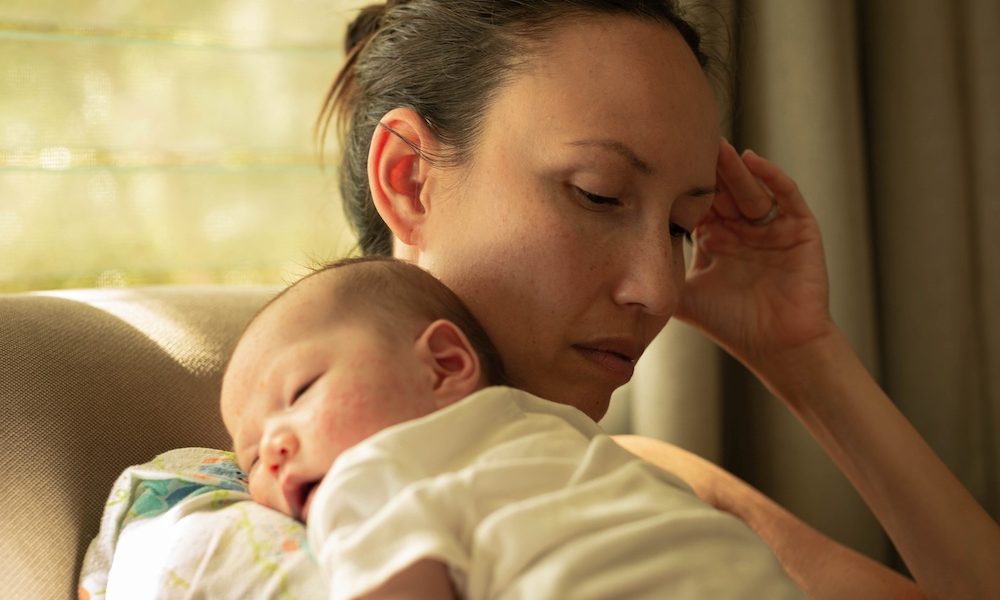
Black, Asian and Hispanic women are the least likely to receive any form of postpartum mental healthcare, new research has shown, highlighting stark inequities in the treatment of postpartum depressive symptoms.
The research, conducted by scientists at the UNC Gillings School of Global Public Health and the Columbia University Mailman School of Public Health and published in Health Affairs, has uncovered significant underdiagnosis and undertreatment of postpartum depressive symptoms.
The study, led by Sarah Haight, doctoral candidate in epidemiology at the Gillings School in collaboration with Jamie Daw, assistant professor of health policy and management at the Mailman School, found “stark” racial and ethnic inequities in treatment for those with postpartum depressive symptoms.
The research drew on data from a novel survey led by Daw at Columbia University that followed up with 4,542 postpartum people who had a live birth in 2020 in seven jurisdictions: Kansas, Michigan, New Jersey, Pennsylvania, Utah, Virginia and New York City.


The researchers found that 11.8 per cent of those sampled reported postpartum depressive symptoms at two to six months postpartum.
However, only one in four individuals with depressive symptoms received a perinatal mood and anxiety disorder (PMAD) diagnosis, and one in two reported receiving some form of mental health care in the first year postpartum.
The study found that while there were no statistical differences in PMAD diagnoses based on race or ethnicity, among those with depressive symptoms, 67 per cent of white respondents received postpartum mental health treatment compared to only 37 per cent of Hispanic and Black respondents and 19 per cent of respondents who identified as Asian, Native Hawaiian, Pacific Islander, Southwest Asian, Middle Eastern or North African.
“Our study in concert with existing work shows that Asian, Black and Latine birthing people, who may be at the greatest risk of postpartum depression, are the least likely to receive any form of postpartum mental healthcare, illustrating stark racial and ethnic inequities in how postpartum depression is identified and managed in the US,” said Haight.
Daw, assistant professor of health policy and management at the Mailman School, said: “Previous studies on PMAD symptoms, diagnosis and treatment have typically focused only on the early postpartum period.
“By following people through the postpartum year, our findings elucidate how many individuals with mental health symptoms fall through the cracks and don’t ever receive the care they need.”
The study findings suggest that policies that require and reimburse universal mental health screening at postpartum visits, ensure connections to care, reduce gaps in postpartum insurance coverage and require clinician training in culturally responsive resources could improve equity of postpartum depression diagnosis and care in the US.
“Half of pregnancy-related deaths in the US occur in the postpartum year and mental health conditions are the second leading cause of deaths in the late postpartum period,” Daw explained.
“Improving equitable access to PMAD diagnosis and treatment is thus critical to addressing the maternal health crisis in the US.”
While the findings document disparities in care, Haight said said more work is needed to investigate how “structural and interpersonal” racism may explain these observed inequities and what efforts are needed to address these mechanisms and their harmful effects.
To receive the Femtech World newsletter, sign up here.


Newsletter
Sign up for free weekly updates
The latest femtech news, research and investment, straight to your inbox.




