




Cancer
New breast cancer guidelines poised to revolutionise breast cancer care in China

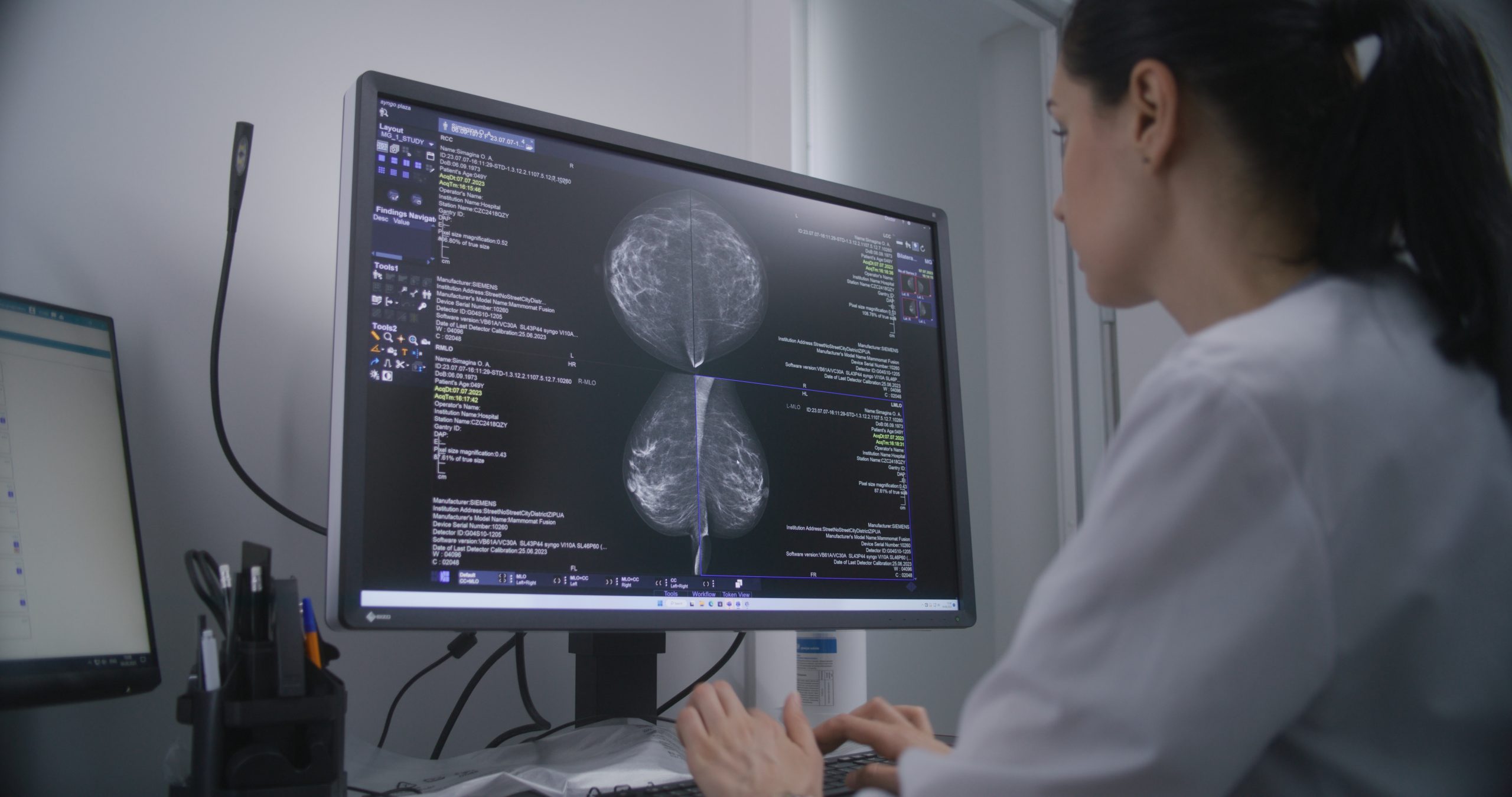
The 2024 Chinese Society of Clinical Oncology Breast Cancer (CSCO BC) has published new guidelines that integrate cutting-edge international research with Chinese clinical evidence – including highlighting the crucial role of targeted therapies for HER2-positive breast cancer.
The guidelines also emphasise the growing impact of immunotherapy in triple-negative breast cancer (TNBC), and outline the strategic use of CDK4/6 inhibitors for HR-positive cases.
Additionally, they introduce a groundbreaking approach to HER2 low-expression breast cancer, establishing a new paradigm for personalised treatment in China.
Breast cancer remains a major global health challenge, with treatment strategies varying widely across regions.
The continuous development of new therapies, combined with the pressing need to personalise treatments for diverse patient populations, underscores the importance of evidence-based guidelines that blend global innovations with local healthcare needs.
This challenge calls for guidelines that not only reflect international advancements but also take into account the clinical realities and accessibility within specific regions, particularly in China.
The 2024 Chinese Society of Clinical Oncology Breast Cancer (CSCO BC) guidelines represent a pioneering effort by a team from Fifth Medical Center of PLA General Hospital and the Beijing Institute of Biotechnology, Academy of Military Medical Sciences, to provide updated, region-specific treatment recommendations.
These guidelines offer a comprehensive approach to managing breast cancer, informed by both high-quality clinical studies and real-world data from China, ensuring that the treatment strategies are both globally relevant and locally applicable.
The updated guidelines place a strong emphasis on precision medicine, offering tailored treatment approaches for various subtypes of breast cancer.
For HER2-positive cancers, the guidelines advocate for dual-target therapies such as trastuzumab and pertuzumab, along with the introduction of pyrotinib in combination with trastuzumab as a novel regimen. This new combination is supported by data from the PHEDRA study, which showed significant improvements in pathologic complete response rates.
In triple-negative breast cancer (TNBC), the guidelines highlight the importance of immunotherapy, referencing the TORCHLIGHT study which demonstrated enhanced progression-free and overall survival with the addition of toripalimab to nab-paclitaxel.
Notably, the guidelines also address HER2 low-expression breast cancer, recommending a personalised treatment approach based on hormone receptor status and previous treatments, including the use of antibody-drug conjugates (ADCs), or targeted therapies after ADC failure. These advancements reflect a broader global trend towards precision oncology, aiming to optimise treatment effectiveness based on individual tumour characteristics.
Dr.Zefei Jiang, principal author of the 2024 CSCO BC guidelines, emphasises the transformative potential of these updates: “The 2024 guidelines are a reflection of the powerful synergy between global research advancements and clinical insights from China.
“By integrating these perspectives, we ensure that our recommendations are not only at the cutting edge of scientific innovation but are also grounded in the practical realities of our healthcare system. Our goal is to create a balanced framework that aligns international standards with the unique needs of Chinese patients, ultimately enhancing care and improving outcomes.”
The 2024 CSCO BC guidelines are poised to revolutionize breast cancer care in China, with the potential to significantly improve patient outcomes and reduce treatment disparities.
By prioritising the generation of local evidence, these guidelines pave the way for more personalised treatment protocols tailored to the specific genetic and clinical profiles of Chinese patients. This approach promises not only to benefit China’s domestic patient population but also to contribute valuable data to the global oncology community, enriching international discussions on breast cancer management.
The broader implications of these guidelines are profound, as they aim to narrow gaps in treatment efficacy and create a more equitable landscape in the global fight against breast cancer.



Ovarian cancer cases are rising among younger adults in England, with bowel cancer showing a similar pattern, a new study suggests.
Researchers said excess weight is a key contributor, but is unlikely on its own to explain the pattern.

The authors wrote: “These patterns suggest that while similar risk factors across ages are likely, some cancers may have age-specific exposures, susceptibilities, or differences in screening and detection practices.”
They added: “Although overweight and obesity are linked to 10 of the 11 cancers evaluated and account for a substantial proportion of cancer cases, both BMI-attributable and BMI-non-attributable incidence rates have increased, though the latter more slowly, suggesting other contributors.”
The study analysed cancer incidence, meaning new diagnoses, in England between 2001 and 2019 across more than 20 cancer types, comparing adults aged 20 to 49 with those aged 50 and over.
Among younger women, cases of 16 out of 22 cancers increased significantly over the period, while among younger men, 11 out of 21 cancers increased significantly.
In particular, there was a significant rise in 11 cancers with known behavioural risk factors among adults under 50. These were thyroid, multiple myeloma, liver, kidney, gallbladder, bowel, pancreatic, endometrial, mouth, breast and ovarian cancers.
Rates of all 11 also rose significantly among adults aged 50 and over, with the notable exceptions of bowel and ovarian cancer.
Five cancers, endometrial, kidney, pancreatic, multiple myeloma and thyroid cancer, increased significantly faster in younger than in older women, while multiple myeloma increased faster in younger than in older men.
The researchers looked at established risk factors including smoking, alcohol intake, diet, physical inactivity and body mass index, a measure used to assess whether someone is underweight, a healthy weight, overweight or obese.
With the exception of mouth cancer, all 11 cancers were associated with obesity. Six, liver, bowel, mouth, pancreatic, kidney and ovarian, were also linked to smoking.
Four, liver, bowel, mouth and breast, were associated with alcohol intake. Three, bowel, breast and endometrial, were linked to physical inactivity, and one, bowel, was associated with dietary factors.
But apart from excess weight, trends in those risk factors over the past one to two decades were stable or improving among younger adults.
That suggests other factors may also play a part, including reproductive history, early-life or prenatal exposures, and changes in diagnosis and detection.
The study noted that red meat consumption fell among younger adults, while fibre intake remained stable or slightly improved in both sexes between 2009 and 2019, although more than 90 per cent of younger adults were still not eating enough fibre in 2018.
Established behavioural risk factors accounted for a substantial share of cancer cases.
Excess weight was the risk factor associated with most cancers in 2019, ranging from 5 per cent for ovarian cancer to 37 per cent for endometrial cancer.
The researchers said the findings were based on observational data, meaning the study could identify patterns but could not prove cause and effect.
They also noted there were no consistent long-term national data for several risk factors, that the analysis was limited to England rather than the UK, and that cancer remains far more common overall in older adults despite the rise in cases among younger people.


An experimental drug slowed triple-negative breast cancer in mice by flooding tumour cells with toxic fats.
Triple-negative breast cancer lacks three common drug targets, making it one of the hardest-to-treat and most aggressive forms of the disease.
The compound, known as DH20931, appears to push cancer cells past their limits by triggering a surge in ceramides, fat-like molecules that place the cells under intense stress until they self-destruct.

In lab experiments, the drug also made standard chemotherapy more effective. When combined with doxorubicin, researchers were able to reduce the dose needed to kill cancer cells by about fivefold.
The drug targets an enzyme known as CerS2 to sharply increase production of these lipids and stress cancer cells. Healthy cells, by contrast, showed lower sensitivity to the drug in lab tests.
While the early results are promising, further preclinical and clinical trials would still be needed to determine the safety and effectiveness of DH20931 in humans.
Satya Narayan, a professor in the University of Florida’s College of Medicine, led the study with an international group of collaborators.
The researchers published their results on human-derived tumours on 21 April and presented their findings on combination therapy at the annual meeting of the American Association for Cancer Research in San Diego.
Narayan likened the drug’s effects to a home’s electrical system handling a power surge.
While healthy cells act like a properly grounded and installed circuit, cancer cells are more like a jumble of mismatched wires and faulty fuses. DH20931 overwhelms cells not with electricity, but with fats.
He said: “When that surge goes into the cancer cells, they cannot handle the amount of power they are getting. The fuses burn out, the cell can’t handle the surge and it dies.”
The compound was developed at the University of Florida in the lab of Sukwong Hong.
Hong, now a professor at the Gwangju Institute of Science and Technology in South Korea, created DH20931 as one of many drug candidates tested for efficacy in Narayan’s lab.
In the study, researchers implanted human triple-negative breast cancer tumours into mice and treated them with DH20931.
The drug significantly slowed tumour growth without causing noticeable weight loss or signs of toxicity in the animals. In separate lab experiments, it also showed activity against other breast cancer subtypes.
In addition to increasing lipid levels, DH20931 triggers a second stress signal by flooding cells with calcium.
Together, these effects disrupt the mitochondria, the structures that produce a cell’s energy, ultimately leading to cell death.
Narayan said: “It does not just follow one pathway but it goes through multiple pathways. It’s a two-hit hypothesis.
“These pathways are common in all breast cancer types and other solid tumours, so we think this drug can be useful not only in triple-negative breast cancer but potentially other cancers as well.”











 Entrepreneur6 days ago
Future Fertility raises Series A financing to scale AI tools redefining fertility care worldwide

 Entrepreneur4 weeks ago
Three sessions that show exactly where women’s health is heading in 2026

 Pregnancy4 weeks ago
How NIPT has evolved and what AI NIPT means in 2026

 News4 weeks ago
Two weeks left to make your mark in women’s cardiovascular health

 Fertility2 weeks ago
Future Fertility partners with Japan’s leading IVF provider, Kato Ladies Clinic

 Ageing1 week ago
Lifting weights shows mental health and cognitive benefits in older women, study finds

 Menopause2 weeks ago
More research needed to understand link between brain fog and menopause, expert says

 News4 weeks ago
Copper coil vs Mirena: Which is right for you?