




Features
New research highlights ‘critical’ differences in how women experience Alzheimer’s
Addressing sex and gender differences in Alzheimer’s is ‘crucial’ for diagnosis and treatment, say experts


New research is highlighting ‘critical’ sex and gender differences in some of the most prevalent brain disorders, leading to calls for a global commitment to more inclusive healthcare and drug development.
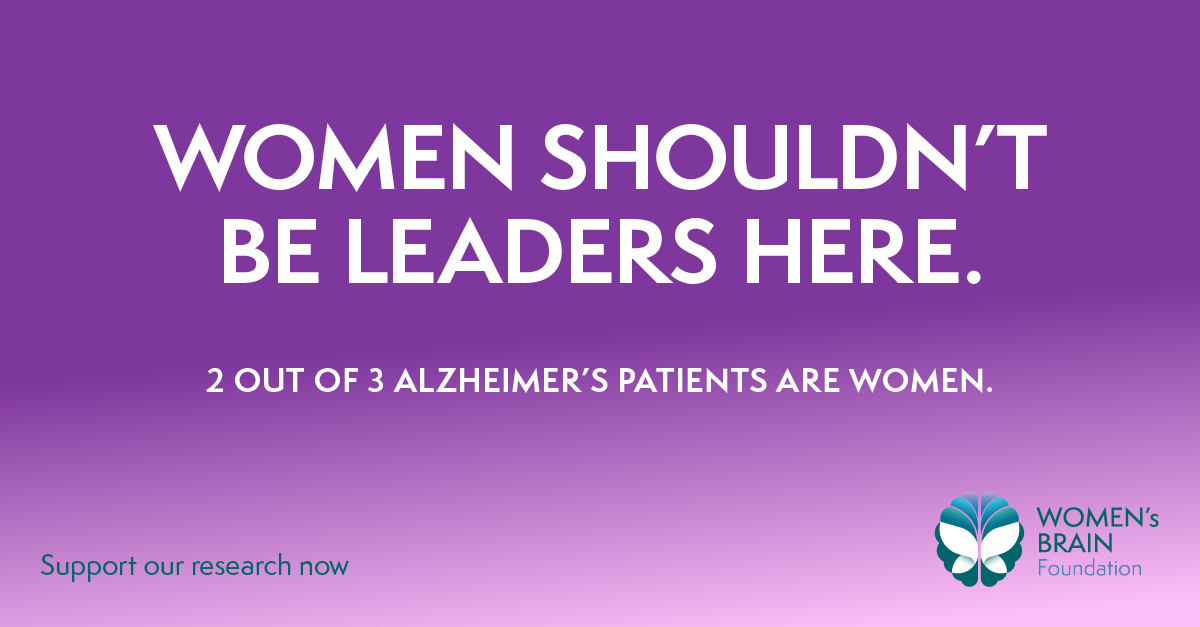
Every three seconds, someone in the world develops dementia, with women at significantly greater risk. Statistics show that two out of three Alzheimer’s patients are women, as are four out of five of those with multiple sclerosis, while women are three times more more likely to experience migraines and to be diagnosed with mental health issues such as depression and anxiety. Yet despite being the dominant gender when it comes to brain disorders, in general we know far less about how they affect women than we do men.
A new paper, published by the Women’s Brain Foundation (WBF), highlights how evidence of ‘critical sex and gender differences’ are observed in imaging studies, postmortem analyses, and behavioural research of individuals at different stages of Alzheimer’s disease.
Established in Switzerland in 2017, the WBF brings together a global team of experts to conduct, coordinate and support research related to sex and gender differences in diseases of the brain, as well as women’s health more generally.
The new paper builds on existing research by the WBF, published in the journal Nature Medicine last year, which also found profound sex and gender differences in Parkinson’s — one of the world’s fastest growing neurological conditions, with increasing prevalence among younger women.
These differences are thought to be due to a combination of factors, both biological— such as hormones— and societal, including the type of job a woman has, their access to education and caregiving responsibilities, according to WBF president and co-founder, Dr Antonella Santuccione-Chadha.
Nearly 50 per cent of dementia cases are linked to modifiable risk factors such as physical inactivity, obesity, and cardiovascular problems, with reduced access to education, as well as psychical inactivity, both being identified as preventative factors in reducing the risk of developing the disease.
According to UK census data, women are less engaged in physical activity than men, but a recent study conducted by the WBF with the London School of Economics, showed that increasing the amount of time women cycled per day to the same as that of men, could reduce the number of dementia patients and the financial burden on the healthcare system.
Women ‘neglected’ in clinical development
WBF’s ambassador, Sofia Petersson, was herself diagnosed with dementia in her late 30s, after her father and grandmother were both diagnosed with the disease. When Sofia first started to display symptoms she had to “struggle to be believed by doctors”.
Until now, science has treated Alzheimer’s as a one-size-fits-all disease, according to Dr Santuccione-Chadha, ‘ignoring critical sex and gender differences’ and leading to ‘misdiagnosis, delayed treatment and suboptimal care’.
“Women have been neglected in clinical development,” Dr Santuccione-Chadha, an internationally recognised expert in neuroscience, neurological disorders, and psychiatric diseases, tells Femtech World.
“We know that [women] make up the majority of patients with conditions such as Alzheimer’s, Parkinson’s, multiple sclerosis, depression and anxiety, and we know that disease symptoms manifest differently. But doctors do not know how to specifically recognise these symptoms.”
The new research, the result of a collaboration of international experts, underscores the ‘significant impact of sex and gender’ on the pathogenesis, progression, diagnosis, and treatment of the condition.
The researchers found, for example, that women with Alzheimer’s disease are more likely to be depressed and to display symptoms of psychosis, while men are more apathetic. This could potentially lead to symptoms such as depression and anxiety being ‘misattributed to psychiatric causes’, the authors write, while ‘severe neuropsychiatric symptoms’ are often an exclusion criterion for clinical trials.
Knowledge gaps in prevention and treatment
Addressing these biases in clinical trials and neuropsychological assessments is crucial not only for diagnosis but for improving the accuracy and effectiveness of treatments and preventative interventions, the authors say.
Despite research highlighting the influence of sex and gender differences on disease prevention, manifestations and progression, further investigation is required to understand the role that hormone therapies, such as HRT, could play in prevention and treatment. Sex-specific variations in drug efficacy also underscore the need for tailored therapies for both men and women, yet women have been disproportionately excluded from immunotherapy trials due to factors such as older age, lower education levels, and co-morbidities.
In the Parkinson’s study, women were found to be at far greater risk (80 per cent) of the gold-standard treatment, levodopa, ‘wearing off’, or becoming less effective before the next dose, and were also at an increased risk of developing levodopa-induced dyskinesias, one of the most common side-effects of the treatment.
Meanwhile, even though multimodal prevention trials have emphasised the need for personalised intervention strategies, there are still significant knowledge gaps in terms of whether women with hormone-related risk factors for Alzheimer’s disease—such as early menopause, pregnancy complications, or delayed initiation of MHT—respond differently to lifestyle interventions compared to those without these risk factors.
Calls for a commitment to ‘inclusive research’
The findings underscore what the WBF has been advocating for for years. Drug developers, regulators and researchers must consider sex and gender differences in preclinical and clinical development to understand and the important implications these have for biomarker interpretation, improved clinical outcomes, and patient management.
In a new petition, which will be presented to the global leaders at the World Health Organization General Assembly 2025, the organisation is urging scientists, clinicians, regulators, policy makers, drug developers and patients to recognise the critical importance of considering sex, gender, race, and ethnicity in precision medicine.
It calls for scientists to commit to inclusive research that reflects real-world diversity, and for policymakers to ensure that sex, gender, and race-informed research is a mandatory standard in healthcare and drug development.
“To develop effective and safe solutions for both women and men, we must enhance our understanding of both biological and societal influences and ensure that clinical trials appropriately account for these factors,” adds Dr Santuccione Chadha.
“The data speaks for itself, and ignoring it is not just a scientific failure; it is negligence.”
You can donate to support the work of WBF here






Article produced in association with Spital Clinic
Both the copper coil and the Mirena are more than 99 per cent effective as contraceptives — but they work in completely different ways, have opposite effects on periods, and suit very different people.

With the FSRH’s May 2024 licence extension for the Mirena now in effect, this guide covers the five key differences using up-to-date UK evidence, not the older guidance that many sources still repeat.
How Each Device Works
The FSRH March 2023 guideline set out the terminology now used across UK clinical practice: the copper intrauterine device (Cu-IUD) and the levonorgestrel intrauterine system (LNG-IUD).
The copper coil works by releasing copper ions that are toxic to sperm, preventing fertilisation. It contains no hormones at all, making it a strong option for women who cannot or do not want hormonal contraception.
The Mirena — the most widely prescribed 52mg LNG-IUD in the UK — thickens cervical mucus to block sperm, thins the uterine lining, and may suppress ovulation, though most users continue to ovulate normally.
According to Hull University Teaching Hospitals NHS Trust, the hormone levels it produces are lower than those from the combined contraceptive pill — relevant for women advised to avoid higher-dose hormonal methods.
The hormone-free nature of the Cu-IUD is its defining advantage for some; the localised hormonal action of the LNG-IUD is its defining advantage for others.
According to NHS guidance on the copper coil, neither device interacts with medicines or herbal remedies, and both can be fitted in women who have never been pregnant.
The way each device works also determines what it does to periods — often the deciding factor.
Effectiveness and Duration
The NHS confirms both devices prevent pregnancy in more than 99 per cent of users. When it comes to contraceptive effectiveness, there is no meaningful difference between them.
Where they differ significantly is duration. The copper coil lasts up to 10 years, and one fitted in a woman aged 40 or over can remain in place until menopause under FSRH March 2023 guidance.
For the Mirena, the picture changed in May 2024: the FSRH CEU statement on extended LNG-IUD use confirmed that all 52mg LNG-IUDs — including the Mirena, Levosert, and Benilexa — are now licensed for eight years of contraceptive use, up from five under previous guidance.
When the Mirena is used as part of HRT, it protects the uterine lining for up to five years before requiring replacement. Smaller-dose devices such as Kyleena (20mcg) are licensed for five years, and Jaydess for three.
Both are long-acting reversible contraceptives — fertility returns immediately after removal, with no delay or washout period. Both are available without a GP referral through the coil insertion and removal service at Spital Clinic.
What Each Device Does to Periods
The most important practical difference is what each device does to periods — and they go in opposite directions.
The copper coil typically makes periods heavier, longer, and more painful; the NHS notes this may ease after a few months, but heavier bleeding is one of the most common reasons for early removal.
Both devices can cause irregular spotting in the first three to six months after fitting.
The Mirena does the opposite.
According to Hull University Teaching Hospitals NHS Trust, it reduces monthly blood loss by 86 per cent at three months and by 97 per cent at twelve months.
Nine in ten women who use it for heavy periods see a significant reduction; around 20 per cent have no bleeding at all; and 80 per cent report meaningful pain relief.
NHS information on the hormonal coil confirms that periods often become lighter, shorter, and less painful — with many users finding they stop entirely after the initial settling-in period.
For women whose choice of contraception is being shaped by troublesome periods, those statistics make the direction of the decision clear.
For women with already disrupted cycles, it is worth booking a private specialist assessment before deciding — for this group, the choice of coil is as much a treatment decision as a contraceptive one.
Unlike the copper coil, the Mirena is licensed as a first-line treatment for menorrhagia — heavy or prolonged bleeding defined as losing more than 80ml per cycle or periods lasting longer than seven days.
In around half of cases, heavy periods have no identifiable structural cause, making the Mirena’s targeted local action particularly useful: it reduces bleeding at the endometrial level without surgery, general anaesthesia, or high-dose systemic hormones, and offers a non-surgical alternative to procedures such as endometrial ablation.
Side Effects, Risks, and Who Cannot Use Each Device
Both devices carry the same procedural risks. Pelvic infection affects around 1 in 100 women in the first three weeks; expulsion happens in roughly 1 in 20; and uterine perforation occurs in approximately 2 in 1,000 fittings — slightly higher in women breastfeeding within six months of delivery. Ectopic pregnancy, though rare, is a risk if either device fails.
The side-effect profiles diverge beyond those shared risks.
The copper coil carries no hormonal side effects — heavier periods are its main downside. The
Mirena may cause acne, headaches, mood changes, breast tenderness, and ovarian cysts; most resolve without treatment, but they are worth considering for anyone sensitive to progestogen.
The Mirena is also unaffected by vomiting, diarrhoea, or most drug interactions.
Each device has its own contraindications. Neither should be fitted in the presence of an active sexually transmitted infection or unexplained uterine bleeding.
The Mirena is not suitable for women with a history of breast cancer, certain liver conditions, serious cardiovascular disease, or certain uterine abnormalities.
The copper coil, meanwhile, can be used as emergency contraception if fitted within five days of unprotected sex — the only intrauterine option for post-coital protection.
The Fitting Procedure and What to Expect
The fitting procedure is the same for both devices: a 10 to 15 minute clinical appointment, ideally towards the end of a period, though it can happen at any point in the cycle.
The full appointment takes around 30 minutes. Local anaesthetic gel or spray is used to manage discomfort, and the NHS advises taking ibuprofen or paracetamol about an hour beforehand.
No surgery or general anaesthetic is needed. Some cramping and light spotting in the days after fitting is normal and usually settles within a week. Neither device requires you to have had children previously.
Fertility returns immediately after removal of either device — there is no waiting period before trying to conceive.
For most women, the choice between the copper coil and the Mirena comes down to one question: are hormones acceptable or not?
The copper coil suits women who want hormone-free contraception, those who cannot use progestogen, and those who need emergency post-coital protection.
The Mirena suits women who want lighter or absent periods, those managing menorrhagia, and those using it as the progestogen component of HRT.
Both offer equivalent contraceptive effectiveness and full reversibility.
The FSRH’s May 2024 extension of the Mirena’s licence to eight years makes it a stronger long-term option than many comparisons suggest — worth knowing if the information you have found is based on older guidance.
This article is produced for informational purposes only and does not constitute medical advice, diagnosis or treatment. Clinical guidance referenced reflects published NHS and FSRH standards as at March 2025. Individual circumstances vary; readers are advised to consult a qualified healthcare professional before acting on any information in this article.
This piece was produced in association with Spital Clinic, which provided background clinical information for editorial purposes. Hyperlinks to external sources are included for reference only and do not represent an endorsement of any product, service or organisation.



Article produced in association with Spital Clinic
Each year in England, approximately three million women take part in cervical screening.
While the majority receive a reassuring result, a proportion are referred for further investigation following an abnormal finding or a positive human papillomavirus (HPV) test.
For these women, the next step is a colposcopy.
Despite being a widely performed procedure, colposcopy remains poorly understood by many of the women referred for one, often because they receive limited information between the letter of referral and the appointment itself.
What Is a Colposcopy?
A colposcopy is a close examination of the cervix carried out by a specialist gynaecologist or colposcopist.
It uses an instrument called a colposcope, a magnifying device that remains outside the body and allows the clinician to view the surface of the cervix in detail.
Unlike a cervical smear, which takes a cell sample for laboratory analysis, a colposcopy is a direct, real-time visual assessment.
The procedure is explained in detail on the NHS colposcopy page, which covers what to expect before, during and after the appointment.
Colposcopy is most commonly recommended following an abnormal smear result, a positive HPV test, or unexplained symptoms such as irregular or post-coital bleeding.
It may also be used to monitor previously treated cervical cell changes.
Why Colposcopy Is Central to Cervical Cancer Prevention
Cervical cancer is the fourth most common cancer in women globally.
According to Cancer Research UK cervical cancer data, around 3,200 women are diagnosed with cervical cancer in the UK each year.
The vast majority of cases are linked to persistent infection with high-risk HPV strains.
Critically, cervical cancer develops slowly, typically over 10 to 15 years from normal tissue through progressive cell changes classified as cervical intraepithelial neoplasia (CIN) to invasive cancer.
Colposcopy allows clinicians to identify and classify these changes before cancer develops.
The grading system for CIN runs from CIN1 (mild cell changes, often resolving without treatment) through CIN2 (moderate) to CIN3 (severe, high risk of progression). Identifying the grade accurately determines whether monitoring or active treatment is recommended.
What Happens During a Colposcopy Appointment
The procedure typically takes between 15 and 20 minutes and is carried out as an outpatient appointment without general anaesthetic.
The patient lies on a couch with their feet in supports, in a position similar to a smear test. A speculum is gently inserted to allow the clinician to view the cervix.
A solution of diluted acetic acid is applied to the cervical surface, which temporarily turns any abnormal cells white, making them visible against the surrounding tissue. Iodine solution may also be used.
If abnormal areas are identified, the colposcopist may take a small tissue sample, called a biopsy, for laboratory analysis.
This is a brief procedure and may cause a momentary sensation of pressure or cramping. Biopsy results are usually available within two to three weeks.
NHS vs Private Colposcopy
NHS colposcopy services are available following GP referral or cervical screening notification. Waiting times, however, can vary significantly by region and current service demand.
For women seeking faster access, private colposcopy is available through specialist clinics. According to RCOG guidance on cervical screening and colposcopy, timely assessment and follow-up are important components of cervical health management.
Spital Clinic, based in Spital Square in the City of London, offers private colposcopy with appointments available on short notice, including morning, afternoon and evening slots throughout the week.
The clinic also offers cervical smear testing and gynaecological consultations, allowing women to manage their complete cervical health pathway in a single setting.
After the Colposcopy: Possible Outcomes
There are several possible outcomes following a colposcopy. If no abnormality is found, the patient is typically returned to routine cervical screening.
If low-grade changes are identified, monitoring with a follow-up appointment in 6 to 12 months is usually recommended. High-grade changes, classified as CIN2 or CIN3, usually lead to treatment.
Treatment for high-grade CIN is most commonly carried out using large loop excision of the transformation zone (LLETZ), a procedure performed under local anaesthetic as an outpatient.
LLETZ has a high success rate and most women return to their usual activities within a few days.
Who Should Consider a Private Colposcopy Referral
- Women who have received an abnormal cervical screening result or HPV-positive test and want prompt specialist assessment
- Those awaiting an NHS colposcopy appointment and experiencing significant anxiety about the delay
- Women with unexplained vaginal bleeding, persistent discharge or post-coital bleeding
- Those with a personal or family history of cervical disease who want regular specialist monitoring
A colposcopy referral is not a diagnosis. It is the next step in a well-established clinical pathway that has been responsible for reducing cervical cancer rates in the UK.
The earlier abnormal changes are identified, the more straightforward the management options.
Disclaimer: This article is produced for informational purposes only and does not constitute medical advice, diagnosis or treatment.
Clinical guidance referenced reflects published NHS, NICE and RCOG standards as at March 2026.
Individual circumstances vary; readers are advised to consult a qualified healthcare professional before acting on any information in this article.
This piece was produced in association with Spital Clinic, which provided background clinical information for editorial purposes.
Hyperlinks to external sources are included for reference only and do not represent an endorsement of any product, service or organisation.

By Con Raso, managing director, Tuned Global
Music and movement are neurologically intertwined. Tempo influences pace, rhythm supports endurance, and familiar tracks can reduce perceived exertion.
Beyond physiology, music creates shared moments. It sets the atmosphere, builds anticipation and turns individual activity into collective experience.
For sports, wellness and fitness brands, this means music selection needs to align with brand values, customer experiences and emotional outcomes.
Well-chosen music increases workout intensity and duration, improves customer retention, strengthens brand recognition, creates community and cultural relevance, and opens new partnership models.
When delivered through properly licensed, data-informed systems, these outcomes become measurable and scalable.
Music also gives brands a way to stay culturally connected to their audience. The question for operators is how to use music strategically and legally.
This is especially important because the way brands approach music has changed significantly.
Early adoption in wellness, fitness and leisure centres often meant plugging in a Spotify playlist and hoping for the best.
Today’s leading sports and fitness innovators are far more sophisticated, curating music experiences that are brand-led, data-informed, tailored to specific audiences and workouts and fully licensed for commercial use.
This shift is being powered by specialist music technology platforms like Tuned Global, which works behind the scenes with brands to manage licensing, catalogue access, analytics and distribution at scale.
Rather than forcing sports brands to become music experts, these platforms allow them to offer legally compliant music in commercial environments, control curation across locations or content formats, and adapt music to different activities and intensities.
Through advanced APIs and centralised cloud infrastructure, operators can manage licensing, catalogue access and music governance at scale, while maintaining full creative control.
They also provide the reporting required by rights holders and integrate music into apps, devices, wearables and connected platforms. The result is music that feels intentional, on-brand and deeply embedded in the experience.
Music in action
Lululemon Studio and Mirror: At-home Fitness and Health
When Lululemon acquired Mirror, it marked a shift towards fully connected, at-home fitness where content, coaching and atmosphere converge.
Music plays a key role in making those workouts feel immersive and motivating, especially without a physical studio or shared space.
Instructors needed access to curated, commercially licensed music delivered consistently across live and on-demand workouts, while remaining compliant with music rights regulations.
Tuned Global provided Lululemon Studio with a branded playlisting app solution that enabled instructors to curate fully licensed music tailored to each workout.
Drawing from a licensed commercial catalogue and supported by usage reporting to rights holders, the system ensured compliance while giving instructors the flexibility to design high-energy, brand-aligned sessions.
The result was a seamless blend of movement, coaching and sound that makes digital workouts feel immersive and premium.
Psycle London: Performance Led Experiences

Con Raso
Boutique fitness studio Psycle London has built a loyal following by transforming workouts into performance-led experiences where music is central to the brand.
Each class is choreographed to sound, with instructors designing sessions that build emotional peaks and sustained intensity.
As Psycle expanded its digital and on-demand offering, it needed a way to give more than 70 instructors access to fully licensed commercial music while protecting the business from legal and reputational risk.
Tuned Global delivered a branded playlisting app that enabled Psycle’s instructors to search a cleared commercial catalogue by artist, genre or BPM, preview full tracks and build tailored playlists for classes ranging from high-intensity rides to strength and conditioning.
Behind the scenes, the music is delivered through secure API infrastructure integrated into Psycle’s own platform, with automated reporting to rights holders and support across label and publishing negotiations.
By combining creative flexibility with licensing governance, Psycle were able to scale its music-led experience across studio and digital environments without compromising on brand integrity, compliance or operational control.
Steezy: Movement and Music
Steezy, one of the world’s leading online dance platforms, sits at the intersection of sport, movement and music.
For dancers, music is not background sound. It defines timing, style and expression.
As Steezy scaled internationally, music became both its greatest asset and its biggest operational challenge. Delivering classes built around commercial tracks created both operational complexity and significant licensing risk.
Tuned Global provided the licensed music catalogue delivery infrastructure that enabled Steezy instructors to search a cleared catalogue, curate playlists tailored to specific classes, and prepare sessions using full commercial tracks.
The system ensured that music used across Steezy’s app and desktop platform was properly licensed and reported to rights holders, supporting global expansion without exposing the business or its creators to legal liability.
By combining instructor-friendly tooling with robust licensing governance, Steezy was able to continue growing its international dance community while keeping music at the centre of the experience.
A wider wellness ecosystem
For wellness, sports, fitness and leisure operators considering deeper music integration, a few principles stand out.
First, treat music as a product feature. It should support the outcome you want, whether that is higher intensity, calm recovery, emotional connection or brand recognition.
Second, get licensing right from day one. Using consumer streaming services in commercial environments exposes brands to legal and reputational risk.
For example, In 2019, more than 20 music publishing groups filed a $150 million copyright lawsuit against Peloton, alleging the company used more than 1000 unlicensed songs in its workout videos.
In another example, just last year the Federal Circuit and Family Court of Australia ordered a Sydney gym chain owner and five of his companies to pay more than $235,000 in damages and interest after operating multiple locations without a valid OneMusic licence.
Third, give creators freedom while maintaining brand control. Instructors, coaches and athletes bring personality, so give them tools to curate music safely within brand guidelines.
Last but not least, use data to refine the experience.
Track how music impacts engagement, completion rates and retention, because music is measurable. Finally, think cross-platform.
Your music strategy should work across physical venues, mobile apps, connected devices and on-demand content. Consistency builds trust.
What’s ahead for music as a performance tool
Music in wellness will become even more adaptive. As AI, biofeedback and real-time analytics become more embedded in fitness technology, music will increasingly respond dynamically to heart rate, pace or emotional state.
Early implementations in health and performance environments are already demonstrating how adaptive music can optimise outcomes.
As wearable technology and connected fitness continue to evolve, music will play an increasingly central role in shaping personalised experiences.
The infrastructure choices operators make now will determine how easily they can adopt these capabilities later. Those who invest early in licensed, data-informed music systems will be best placed to innovate without risk.
Music is a performance tool, a brand asset and a powerful lever for engagement. The examples above show that this applies at every scale, from a single boutique studio to a global combat sports brand.
The most successful innovators understand that when music and movement align, something special happens. With the right technology and licensing in place, that can scale.
About Con Raso, Managing Director of Tuned Global
Con Raso is an entrepreneur passionate about innovation, new technologies, and start-ups.
Over the last few decades he has focused on creating innovative mobile and online distribution models within the B2C entertainment market, enabling brands to utilise music as a marketing tool, via unique customer engagement strategies.
Being inherently well-versed in both technology and music, Con ensures our solutions are aesthetically pleasing, engaging and disruptive.
About Tuned Global
Tuned Global is the leading data-driven Cloud Music Platform that empowers businesses to integrate commercial music into their apps or launch complete streaming experiences using advanced APIs, real-time analytics, licensing solutions, music intelligence and customisable white-label apps.
Our turnkey solutions for music, audio, and video, coupled with a broad ecosystem of third-party music tech integrations, make us the most comprehensive platform for powering digital music projects.
We streamline complexities in licensing, rights management, content delivery and music discovery, enabling rapid innovation and bringing new ideas to life.
Since 2011, we’ve supported 40+ companies in 70+ countries — across telecom, fitness, media, aviation, and more — to deliver innovative music experiences faster and more cost-effectively.
For more information, visit www.tunedglobal.com.











 News4 weeks ago
Women’s digital health market set to reach US$5.28 billion in 2026 – report

 Insight4 weeks ago
Why the UK’s fertility rate keeps falling – and what it means if you’re trying now

 Wellness4 weeks ago
Women’s HealthX unveils Northwell Health, Corewell Health, Biogen & more to headline Chronic Disease stage

 Opinion3 weeks ago
What Maternal Mental Health Month reveals about where postpartum support actually breaks down

 Fertility4 weeks ago
Toxins and climate harms having ‘alarming’ effect on fertility, research warns

 News3 weeks ago
NIH Grant terminations disproportionately impact minority scientists, research finds

 Adolescent health2 weeks ago
WUKA brings Period-Positive Pool Party to London Aquatics Centre to keep girls swimming through puberty

 Fertility4 weeks ago
Researcher explores weight loss jab impact on PCOS