




To receive the Femtech World newsletter, sign up here.
News
People with HIV can be sperm and egg donors
A change in law will allow people with non-transmissible HIV in the UK to donate gametes to partners

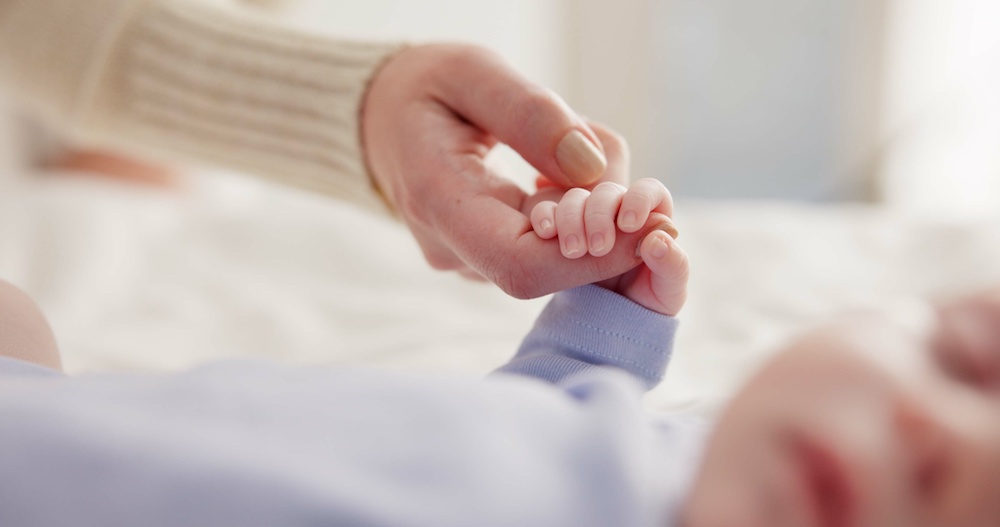
Same-sex couples with non-transmissible HIV will now be able to donate eggs or sperm and become parents.
People with HIV will able to donate their sperm or eggs to their partners, as the law in the UK is updated.
The Human Fertilisation and Embryology Act will be amended via a statutory instrument to allow people with non-transmissible HIV – with a viral load low enough not to pass on – to donate eggs or sperm, known as gametes, as part of fertility treatment to their partners.
Under current rules on IVF, only a male partner with HIV can give their sperm to their female partner and not to anyone else.
The law change will also eliminate extra screening costs for female same-sex couples undertaking reciprocal IVF treatment.
The government says this is part of wider work to improve access to IVF for everyone and ensure same-sex couples have the same rights as a man and woman when trying to conceive.
“These changes will allow more people to fulfil their dream of becoming parents,” said UK health minister, Maria Caulfield.
“We have changed the law to ensure equality for people living with HIV when accessing IVF, allowing them to donate their eggs and sperm.
“In addition, the change will allow female same-sex couples to access IVF with no extra screening costs, the same as heterosexual couples.”
She added: “These changes will help create a fairer system by removing barriers to accessing fertility care as we have set out in the Women’s Health Strategy.”
The changes to the law will allow people with HIV to donate their gametes to family, friends and known recipients.
The regulations include an updated definition of partner donation to enable female same-sex couples wishing to donate eggs to each other to undergo the same testing requirements as heterosexual couples.
Under current rules, female same-sex couples hoping to conceive via reciprocal IVF must first go through screening for syphilis and genetic screening, such as cystic fibrosis, which can cost over £1,000, while heterosexual couples do not need to undergo this screening.
Julia Chain, chair of the Human Fertilisation and Embryology Authority (HFEA), said: “The HFEA welcomes the news that legislation regarding partner donation in relation to reciprocal IVF, and gamete donation from those who have HIV with an undetectable viral load, has now been proposed in Parliament.
“Fertility treatment is helping more people than ever to create their family, and everyone undergoing fertility treatment should be treated fairly.
“For known donation from individuals with undetectable HIV, we anticipate that the first clinics may be able to begin to offer this treatment around 3 months following a change in the law.
“We encourage any patients or donors who may be affected by these changes to visit the HFEA website to find out free and impartial information, including about how to choose a fertility clinic.”
Minister for equalities, Stuart Andrew MP, added: “Treatment for HIV has improved significantly, saving countless lives, but the stigma surrounding it persists – a stigma which often prevents people from getting tested and seeking treatment.
“These changes will help to reduce that stigma, making it clear that people with HIV can live full and happy lives. I am delighted by these changes which will enable more people to experience the joy of becoming parents.”







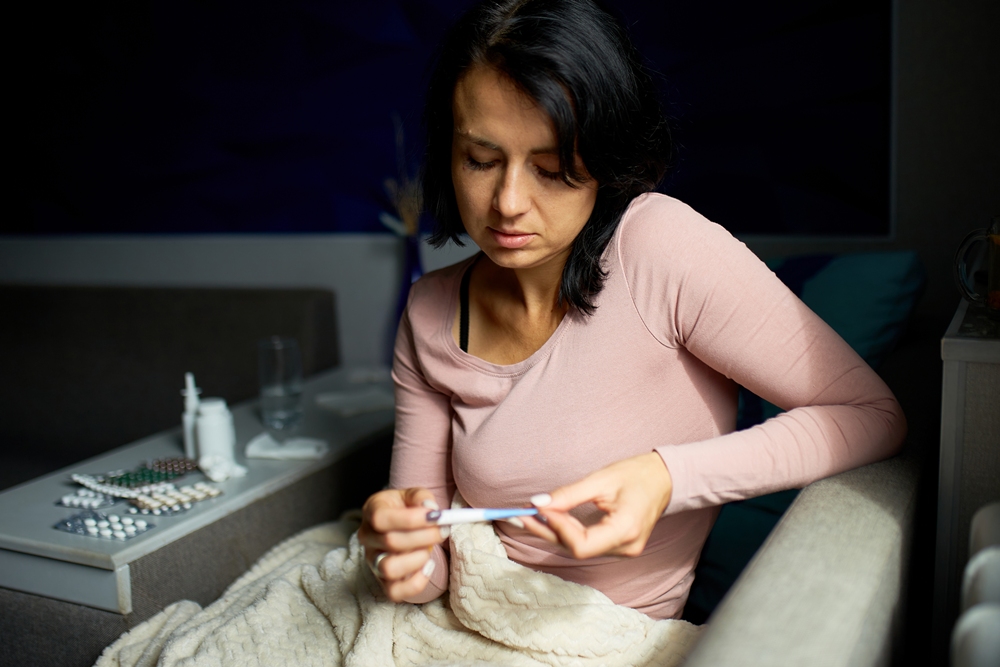
Simultaneous exposure to toxic chemicals and climate-related heat may be worsening fertility harms across humans and wildlife, research suggests.
The review of scientific literature looks at how endocrine-disrupting chemicals, often found in plastic, together with climate-related effects such as heat stress, are each linked to lower fertility and fecundity, meaning the ability to reproduce, across species including humans, wildlife and invertebrates.

Though the reproductive harms of each issue in isolation are well studied, there is little research on what happens when living organisms are exposed to both.
“Together, the two issues are likely to pose a greater threat to fertility, and the additive effect is “alarming”, said Susanne Brander, a study lead author and courtesy faculty at Oregon State University.
“You’re not just getting exposed to one, but two, stressors at the same time that both may affect your fertility, and in turn the overall impact is going to be a bit worse,” Brander said.
The paper looked at 177 studies.
Shanna Swan, a co-author on the new paper, co-produced a 2017 study that found sperm levels among men in western countries had fallen by more than 50 per cent over four decades. Other research has suggested human fertility has been declining at a similar rate.
The University of Washington’s Institute for Health Metrics and Evaluation has previously said the world was approaching a “low-fertility future”, with more than three quarters of countries below replacement rate by 2050.
The new paper’s authors focused on the effects of endocrine-disrupting chemicals and substances, including microplastics, bisphenol, phthalates and PFAS.
These are thought to cause a range of serious reproductive problems, disrupt hormones and be a potential driver of falling fertility.
Brander said the harms linked to these chemicals are often similar across organisms, from invertebrates to humans.
Phthalates, for example, have been linked to altered sperm shape in invertebrates, spermatogenesis in rodents, meaning sperm production, and reduced sperm counts in humans.
PFAS are also thought to affect sperm quality, and both have been linked to hormone disruption.
The chemicals are widespread in consumer goods, so people are often regularly exposed.
Meanwhile, previous research has shown how rising temperatures, lower oxygen levels and heat stress, among other effects linked to climate change, may also worsen infertility.
Heat stress has been found to affect human hormones, and is linked to spermatogenesis in rodents and bulls.
Research shows temperature also plays a role in sex determination in fish, reptiles and amphibians.
The species has evolved to choose which sex it produces in part based on temperature, and the heating planet can “push it too far in one direction or the other, which overrides that evolutionary benefit”, Brander said.
Similarly, many endocrine disruptors may alter environmental sex determination.
The study set out some of the overlapping effects of chemical exposure and climate change across taxonomic groups, from invertebrates to humans.
In birds, for example, exposure to increased temperature, PFAS, organochlorines and pyrethroids may each individually cause abnormal sperm, increased fledgling mortality, abnormal testes and population decline.
“What happens if they’re exposed to more than one of those stressors at the same time? There has been little exploration of that question.
“Even if there have not been a lot of studies looking at these simultaneously, if you have two different factors that both cause the same adverse effect, then there’s a likelihood that they are going to be additive,” Brander said.
Katie Pelch, a senior scientist with the Natural Resources Defense Council nonprofit, who was not part of the study, said the authors had reviewed high-quality science.
She said she wanted to see more examples of the overlap in impacts, but agreed with the overall premise.
“It is likely [multiple stressors] would have an additive effect, at very least, even if they have different mechanisms of harm,” Pelch added.
The solution to the systemic problems would involve tackling climate change and reducing the use of toxic chemicals.
The study cites the global reduction in the use of DDT and PCBs achieved under the Stockholm Convention as an example of an effective measure, but Brander said much more is needed.
“There is enough evidence in both areas to act to reduce our impact on the planet,” she said.













 Entrepreneur4 weeks ago
Three sessions that show exactly where women’s health is heading in 2026

 Entrepreneur4 days ago
Future Fertility raises Series A financing to scale AI tools redefining fertility care worldwide

 Pregnancy4 weeks ago
How NIPT has evolved and what AI NIPT means in 2026

 News4 weeks ago
Two weeks left to make your mark in women’s cardiovascular health

 Entrepreneur4 weeks ago
Q1 momentum: Female founders are advancing, but the system still hasn’t caught up
 Fertility2 weeks ago
Future Fertility partners with Japan’s leading IVF provider, Kato Ladies Clinic

 Mental health6 days ago
Lifting weights shows mental health and cognitive benefits in older women, study finds

 Menopause2 weeks ago
More research needed to understand link between brain fog and menopause, expert says
1 Comment