



Scientists prompt hopes for an artificial womb within generations
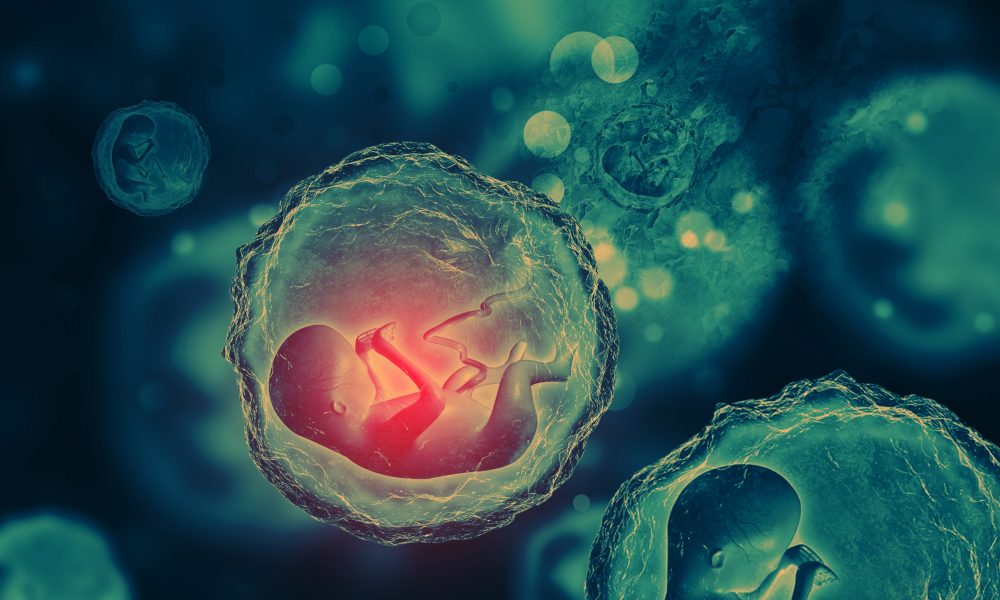
The prospect of creating a womb entirely outside of the human body is becoming evermore likely, as Femtech World reports.
Scientists are working to develop systems that mimic the human uterus and to make the idea of human ectogenesis – growing a baby in an artificial environment outside of the human body – a reality.
The primary goal is to provide care for extremely preterm babies that can’t be treated in traditional incubators because their organs, especially the lungs, are not fully developed.
For the first time, researchers were able to grow healthy mouse embryos in a mechanical womb for 11 days. In this process, they were able to observe how the organs are formed which is impossible when the embryos are inside the womb.
Matthew Kemp, obstretics and gynaecology professor at National University of Singapore, speaking to the BBC, said: “What we do is to connect some very thin tubes or catheters to the umbilical cord, and we are able to reroute the blood through that.
“That allows us to provide gas exchange to the fetus. We are able to oxygenate the fetus without needing to use the lungs to do that.”
Helen Sedgwick, author and bio engineer, thinks that this can save the lives of premature babies and it would change the lives of families who would not otherwise be able to have a child in all sorts of ways.
“We are going be capable to create an external womb within a generation or two,” she says. “And we are also going to have a completely different reaction to what it means for us and for our lives.
“But if technology replaces traditional childbirth, then it begs the questions ‘who owns that technology?’ and ‘who controls its use?”, Sedgwick adds.
Analysts believe that we are at least 10 years away from starting human trials, but that this could represent a big step in tackling inequalities and easing the pressure on women to fulfil certain social norms.
However, there are also many concerns about the ethical side of these procedures and the risks involved.
“We have to be mindful of the incredibly complex nature of running one of these systems,” adds professor Kemp. “You need a large number of highly trained individuals and fairly vast resources to run this system.”
Find out more here.


Newsletter
Sign up for free weekly updates
The latest femtech news, research and investment, straight to your inbox.



