




News
Researchers develop new period product that solidifies blood
The biomaterial could improve the performance of current period products, including pads and menstrual cups


A team of US researchers has developed a biomaterial designed to improve the performance of current period products by making the blood harder to spill out.
Researchers at the Virginia Polytechnic Institute and State University developed the blood absorbent biomaterial with the aim of improving the performance of menstrual products by minimising blood leakage and spilling.
The innovation, the team says, should help prevent infection, while also being environmentally friendly.
Lab leader Bryan Hsu, assistant professor of biological sciences, wanted his next project to focus on an area of research that had long been neglected and that’s when he landed on menstruation.

“It’s something that people don’t feel comfortable talking about, and that’s maybe an indication of why it hasn’t gotten enough attention,” he explained.
Menstrual products have evolved little during the last century. The primary products available today were developed nearly 100 years ago: the disposable menstrual pad in 1888, the tampon in 1933, and the menstrual cup in 1937.
Postdoctoral associate Harsimran Kaur, who led the project, said: “There is very little awareness about the importance of good menstrual care, and poor practices can negatively affect women’s health. This is an area that impacts women but isn’t often given attention.”

Harsimran Kaur, Bryan Hsu, and Rogerio Bataglioli / Photo by Jenise Jacques for Virginia Tech
Hsu and the team used an alginate-glycerol powder formula that, when added to a traditional menstrual pad, allows the accumulated blood to turn into a gel. The pad can then absorb more blood and leak less than a traditional pad.
“A pad with the powder formula absorbs the blood, and if you squeeze it, it doesn’t come back out. But in a normal menstrual pad, if you do the same experiment, it comes right back out,” he explained.
When the powder formula is added to a cotton coil and inserted into a menstrual cup or disc, the blood collected there also turns into a gel, eliminating the mess when removing or changing the cup or disc.
Carrie Champine, board-certified obstetrician and gynaecologist who collaborated with the team, said: “Leakage is a fear for all users of menstrual hygiene products. All of us have experienced it, leading to embarrassment and missed school days and workdays.
“Users of menstrual products are always looking for products that are comfortable and tailored to their body and flow patterns, with minimal risk of leakage or menstrual product failure.”
Findings have shown the powder formulation, which is derived from natural sources, seaweed, and sugar alcohol, is biodegradable and safe to use.
“It’s found everywhere in foods and it’s approved by the Food and Drug Administration (FDA), so it’s considered safe,” said Hsu. “It is in the boba tea or the cheap sushi you get in restaurants.”
Unlike most used period products, which take over 500 years to biodegrade, this method is also environmentally friendly, the researcher noted.
Women’s health progress
According Hsu, as of 2020, 46 per cent of women in Virginia are of menstrual age, which is 26 per cent of all Virginians, and roughly a fourth of the state’s total population. While menstruation is not a disease, it does impact absenteeism in the workplace and in school.
“A woman will have a period for approximately five days every 30 days throughout her lifetime, which is roughly 2,200 days, or 6.2 years of her life,” he explained. “For comparison, the average American spends 8.3 years watching television and 4.5 years eating.
“Women are half the population and go through menstruation every month. It’s a natural process that dramatically affects quality of life. For some, it can be debilitating,” he added.
Hsu sees this as just the beginning of his venture into promoting women’s health issues.
“I think women’s health is becoming more and more something people want to research. This is kind of my first step in a series of things to take care of women.”
His colleague, postdoctoral associate Rogerio Bataglioli, who led the project, is hopeful for new opportunities in the design of menstrual products.
“Using biomaterials can expand the potential functionality of these menstrual products,” Bataglioli said.
“Women face an array of challenges related to menstrual health, and we think using advanced functional materials can help us come up with innovative solutions.”
To receive the Femtech World newsletter, sign up here.









Insight
Experimental treatment significantly slows progression of fatal brain disease in women, study finds


Davunetide may significantly slow the progression of a fatal brain disease in women, according to a new analysis of clinical trial data.
The findings indicate that women and men with progressive supranuclear palsy (PSP) may respond differently to the experimental treatment.
Progressive supranuclear palsy, or PSP, is a rare and fatal neurodegenerative disease.

Researchers at Tel Aviv University led the analysis and said the results reinforce the need for sex-specific approaches to neurodegenerative diseases.
Neurodegenerative diseases are conditions in which nerve cells in the brain or nervous system gradually lose function and die.
The team reanalysed data from a 52-week international clinical trial involving more than 300 people with PSP.
The disease is caused by the abnormal accumulation of tau protein in the brain. Tau is a protein found in nerve cells that builds up abnormally in people with PSP.
There is currently no effective drug treatment for the disease.
The work was led by professor Illana Gozes of the Sagol School of Neuroscience and the Gray Faculty of Medical and Health Sciences at Tel Aviv University.
The research team included current and former students Dr Guy Shapira, Jason Blatt and Liri Guz, together with professor Noam Shomron.
The original clinical trial found that Davunetide was safe but ineffective.
However, the researchers separated female and male participants and re-examined the data using updated assessment measures recommended by the FDA.
Women treated with Davunetide experienced a significant slowing of disease progression, while no similar effect was observed in men.
The treatment helped preserve essential movement and functional abilities, including balance, fine motor skills and everyday tasks such as using cutlery, buttoning clothes and washing the face and hands.
Fine motor skills are the small, precise movements needed for tasks involving the fingers and hands.
Treated women also showed significant improvements in language ability, working memory and overall cognitive function.
Cognitive function covers mental abilities such as memory, attention, language and problem-solving.
The analysis also identified profound molecular differences between women and men.
The relationship between levels of pathological tau in cerebrospinal fluid and clinical symptoms was completely reversed between the sexes.
Cerebrospinal fluid is the clear liquid surrounding the brain and spinal cord. A biomarker is a measurable sign that can indicate disease activity.
For example, language abilities declined significantly as tau pathology increased in women, but not in men.
The researchers said this suggests the disease mechanisms may work differently in women and men, potentially explaining their different responses to treatment.
According to professor Gozes, overlooking biological differences between the sexes may hide a genuine treatment effect.
“Our data show that analysing women and men separately is not merely a statistical exercise, but an essential tool for developing more effective treatments for neurodegenerative brain diseases,” she said.
The researchers believe the findings provide a strong scientific basis for future clinical trials and treatment protocols designed from the outset to account for patients’ sex.
These trials could evaluate Davunetide as a targeted treatment for women with PSP.
They said the approach may also pave the way for more precise treatments for tau-related diseases, including Alzheimer’s disease and other neurodegenerative brain disorders.
The study was supported by ExoNavis Therapeutics, which is developing Davunetide for brain diseases under licence from Ramot, Tel Aviv University’s technology transfer company.


A preeclampsia study has found unusual cell activity in mothers and babies that could reveal new targets for treatment.
The condition affects 2 to 4 per cent of pregnancies worldwide and is a leading cause of maternal and foetal mortality.
There is currently no cure, and severe cases can put both the mother and baby at risk.
Scientists from UCL and University College London Hospitals found that stressed placental cells, poorly functioning blood vessels and an overactive immune response all contribute to the condition.
Preeclampsia causes high blood pressure during pregnancy. It can affect blood flow to the baby and cause symptoms such as swelling, headaches, blurred vision and pain under the ribs.
Without treatment, it can damage the mother’s health, slow the baby’s growth and, in severe cases, become life-threatening.
Previous research has focused only on the placenta, the organ that develops during pregnancy to support the baby’s growth, rather than the tissues around it.
The researchers said the findings could reveal new therapeutic targets, which are biological processes that future treatments could be designed to alter.
Senior author professor Sara Hillman, of the UCL EGA Institute for Women’s Health, said: “We studied individual cells from both the mother and the baby to see how their activity changes in healthy pregnancies compared with preeclampsia.
“This helped us to confirm some changes already suspected in the condition and also discover new ones.”
The team studied 20 pregnant women recruited at UCLH, including 10 with severe preeclampsia and 10 without the condition.
They used genomic testing to examine individual cells in the placenta and other tissues where cells from the developing baby and mother come into contact.
Genomic testing examines genetic information to help researchers understand how cells behave and the roles they may play.
The other tissues studied were the myometrium, the muscular layer of the womb, and the chorioamniotic membranes, which surround the baby during pregnancy.
The team compared cells from healthy pregnancies and those affected by preeclampsia at different gestational ages, meaning different stages of pregnancy.
They used technology that can read the genetic information of thousands of individual cells at the same time, allowing them to see what each cell was doing and where it was located in the tissue.
In preeclamptic pregnancies where babies were born prematurely, before 37 weeks, during the third trimester, placental cells showed signs of stress and low oxygen levels.
The cells also did not use energy in the normal way.
Some cells responsible for reshaping the mother’s blood vessels were not working properly, the researchers found, which may affect blood flow to the baby.
There were also signs of an overactive immune response in the placenta, nearby tissues and the mother’s blood.
The researchers said this response, together with other stress molecules released by the placenta, helps explain why preeclampsia affects the whole body and can become serious.
They hope the findings will help researchers find treatments for the condition and potentially save lives.
Co-lead author Dr Yara Sanchez Corrales, of the UCL Great Ormond Street Institute of Child Health, said: “These findings point to specific biological processes that could be targeted with treatments. Acting early in pregnancy, especially in more severe early-onset cases, could help improve outcomes and reduce the high risks associated with severe preeclampsia.
“We hope that our findings may set us on the path to reducing premature births and fatalities associated with preeclampsia.”
Co-lead author Mr Theodoros Xenakis, of the UCL Great Ormond Street Institute of Child Health, said: “Future studies may provide an even clearer picture of the biological changes linked to the disease by including more participants and using even more precise methods.”
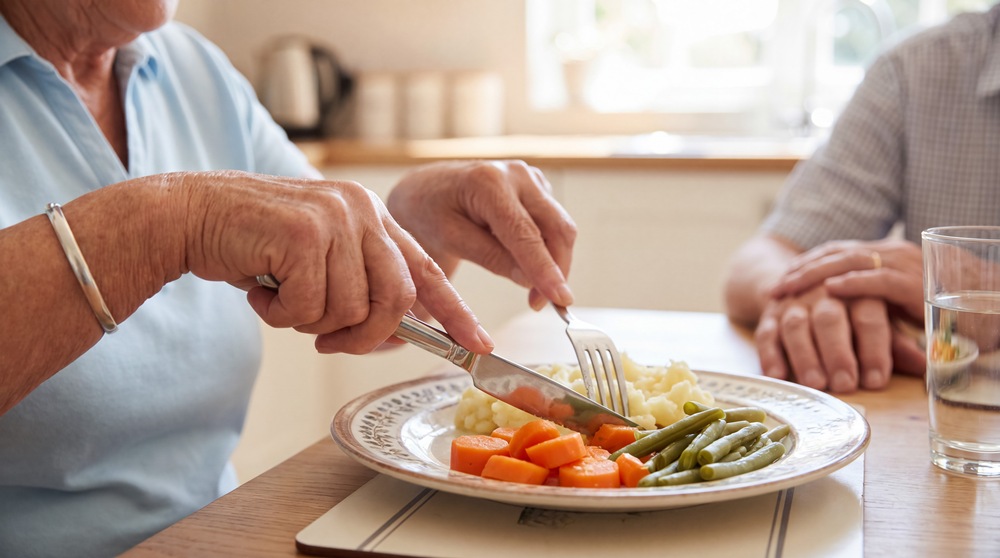
A 20-year study of 66,892 postmenopausal women linked the Planetary Health Diet to lower cardiovascular disease risk.
Women whose eating habits most closely followed the diet had around a 28 per cent lower risk of cardiovascular disease than those in the lowest-adherence group.
Even moderate adherence to the diet was linked with a lower risk.
Donya Shahamati is a doctoral student in public health at the University of California, Irvine.
The researcher said: “Our results suggest that people may not need to follow a perfect or very restrictive diet to see potential heart-health benefits.
“This is especially important for postmenopausal women, because cardiovascular risk increases with age and tends to rise after menopause.”
The diet emphasises fruit, vegetables, whole grains, legumes, nuts and unsaturated fats, while limiting red and processed meats, added sugars, refined grains and saturated fats.
Postmenopausal women are those who have gone through menopause, when periods stop and hormone levels change.
Cardiovascular risk tends to increase with age and rise after menopause.
“Moving towards a more plant-forward, higher-quality diet can be accomplished through small, realistic changes,” said Shahamati.
“These changes might include filling half the plate with vegetables more often; using avocado or olive oil in place of butter; choosing oatmeal or whole-grain cereal for breakfast; or trying a meatless meal once per week.”
For the research, investigators followed 66,892 participants in the Women’s Health Initiative, a long-term national health study funded by the National Heart, Lung and Blood Institute at the National Institutes of Health.
All the women included in the analysis were free from cardiovascular disease at the start of the study, between 1994 and 1998, and had complete information about their diet and other important health and lifestyle factors.
Researchers used information collected through a food frequency questionnaire at the start of the study to calculate a Planetary Health Diet Index score for each participant. Higher scores indicated that a participant’s diet was more closely aligned with the Planetary Health Diet.
They then divided the women into five groups according to how closely their diets followed it.
The women were around 63 years old at the start of the study and were followed for about 20 years to see who developed cardiovascular disease.
When analysing the data, researchers adjusted for factors that could affect cardiovascular risk, including age, race and ethnicity, education, income, smoking, alcohol intake, physical activity, body mass index and total calorie intake.
“We did not only look at overall cardiovascular disease,” said Shahamati.
“We also looked separately at coronary heart disease, stroke and heart failure. This helped us see whether the pattern was similar across different types of cardiovascular outcomes.”
Overall, women whose diets were most closely aligned with the Planetary Health Diet had the lowest risk of cardiovascular disease.
They also had a lower risk of coronary heart disease, heart failure and stroke than women in the lowest-adherence group.
Moderate adherence was also associated with a lower risk, with each 10-point increase in the Planetary Health Diet Index score linked to a further reduction.
The researchers cautioned that, because the study was observational, it could not show that the diet directly caused the lower risk among women.
Observational studies identify links between factors such as diet and disease risk, but cannot prove that one caused the other.
The research team is now exploring other aspects of diet and health among older adults, including how diet quality changes over time.
The researchers said this information could help support healthy ageing and prevent chronic diseases.










 News2 weeks ago
New menopause drug approved for use by NHS in Scotland

 Hormonal health2 weeks ago
Stardust period tracker shares health data, study reveals

 Entrepreneur7 days ago
Zero Candida market set to reach over US$2 billion by 2030 – report

 News2 weeks ago
Women’s health draws record $1.55bn in equity as capital spreads beyond the mega-rounds

 Entrepreneur2 weeks ago
Onto Health acquires diagnostics software company Levy Health

 News2 weeks ago
Congress urged to invest over $20bn to close women’s health gap

 Mental health1 week ago
Nearly 60% of young women get health advice from influencers, research finds

 News5 days ago
From Hologic to Ark Surgical: Why Joseph LaBruzzo is betting on the future of women’s surgical innovation
1 Comment