




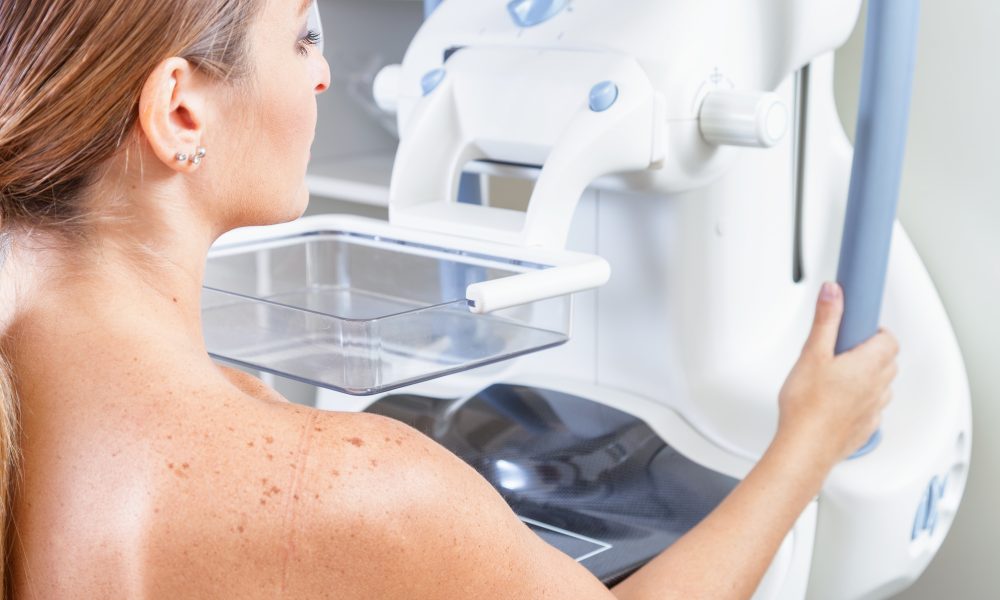
The US health tech company DeepLook Medical has announced that its AI tool for breast cancer detection has received clearance for use in the UK.
DL Precise is the first AI tool to tackle breast cancer in women with dense tissue and aims to improve early detection and assist clinicians in developing treatment plans.
According to DeepLook Medical, the software overlays onto existing imaging screens, providing a more efficient workflow enhancement and helping radiologists navigate dense breast tissue.
The technology has entered the commercial market through partnerships with four major channel partners, including Barco, Blackford, Tempus and Radical Imaging.

Nearly half of women over the age of 40 are found to have dense breast tissue which makes them more likely to get breast cancer.
However, because both dense breast tissue and cancer show up as white in a mammogram, as many as 50 per cent of cancers in these women are missed on mammograms.
Marissa Fayer, CEO of DeepLook Medical, said: “We are thrilled to announce the UK regulatory clearance for DL Precise.
“This clearance validates the transformative potential of our software in enhancing workflow efficiency and improving reporting precision for healthcare providers across the UK.”
Dr Charlotte Moser, chief medical officer of DeepLook Medical, said: “DL Precise represents a paradigm shift in medical imaging technology.
“By providing consistent, accurate measurements across all imaging modalities, DL Precise empowers radiologists to make informed decisions with confidence, ultimately enhancing patient care.”
Through DeepLook’s partnership with Barco, Moser said, DeepLook’s technology would be available for use across the UK to offer women with dense breasts heightened accuracy and expanded access.
To receive the Femtech World newsletter, sign up here.


Newsletter
Sign up for free weekly updates
The latest femtech news, research and investment, straight to your inbox.




