




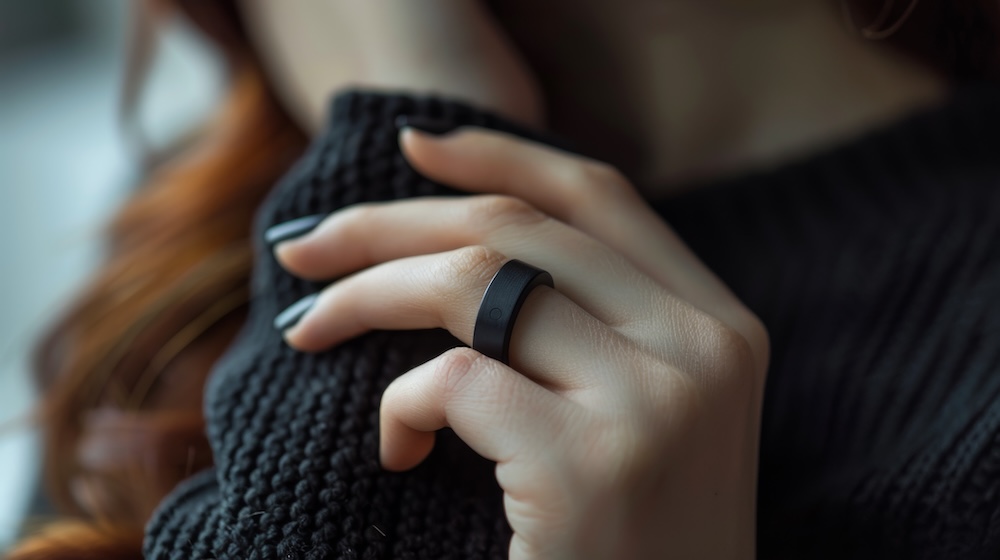
Xella Health has integrated Oura wearable data into its women’s health platform, allowing members to share trends with clinicians alongside diagnostic results.
Members can choose to share information including sleep, heart rate variability, resting heart rate, temperature trends, recovery, activity and menstrual-cycle data.
The integration is intended to help clinicians investigate biological factors that may explain changes in members’ wearable data and symptoms.

Kelly Lacob, chief executive and co-founder of Xella Health, said: “Wearables detect that something in the body has changed, but wearable data alone can’t tell a woman why or what to do next with that information.”
“By pairing continuous physiological monitoring from Oura with Xella’s multiomic diagnostics and physician-guided care, we enable women to understand how specific health concerns are impacting her biometrics, and vice versa how her daily habits are impacting her overall health and specific conditions or life stages she is navigating.
“Further, we are able to track how her relevant vitals and biometrics respond to specific interventions or treatment plans, so we can optimise her care more efficiently.
“Ultimately, this partnership helps us better address her symptoms today whilst also proactively optimising her long-term health trajectory for decades to come.”
Xella Health combines AI, multiomic testing and physician-guided telehealth care through a membership platform.
Multiomic testing analyses several types of biological information.
Xella said its testing assesses hormonal and metabolic health, inflammation, nutritional status, reproductive health and cardiometabolic risk.
Physicians use those findings to develop personalised care plans that may include clinical treatments.
Clinicians can then review shared Oura trends alongside diagnostic results and member check-ins to monitor progress and adjust care over time.
The company said providers interpret biometric data in the context of each member’s health conditions, goals and treatment plan.
The integration focuses on fertility, perimenopause, hormonal and cardiometabolic health, as well as women’s longer-term health.
Oura has expanded its women’s health offerings through integrations connecting wearable measurements with other sources of health data.
In February, it partnered with at-home hormone tracking company Mira, allowing users to view hormone test results alongside sleep, temperature and readiness data in the Mira app.
The integration is intended to help users track patterns related to fertility, menstrual cycles and perimenopause.
That month, Oura also introduced a women’s health AI model for testing through Oura Labs.
Integrated into Oura Advisor, the model combines biometric data with clinician-reviewed medical information to provide guidance on menstrual cycles, pregnancy and menopause.
In May, the company launched menopause insights and hormonal birth control support.
Its Menopause Insights offering uses a questionnaire covering 22 symptoms of menopause alongside wearable data, while birth control support helps users understand their biometric trends in the context of hormonal contraception.


Newsletter
Sign up for free weekly updates
The latest femtech news, research and investment, straight to your inbox.




